In brief
BBC reporters drove through the scoured highway along the Lebanese coast, seeing a lone Hezbollah‑controlled checkpoint beside a line of Israeli flags marking an occupied zone. They observed new Israeli bases and a convoy of UN trucks escorted by Finnish troops, highlighting the fragile security arrangement. Israeli officials claim the expansion protects northern communities from Hezbollah rockets, while critics warn of potential war crimes and displacement of civilians. The occupation remains a flashpoint amid stalled talks over Hezbollah disarmament, with the Lebanese military citing up to 5,000 violations of a 2024 ceasefire.
On a winding stretch of the Mediterranean highway, the roads that once carried tourists and traders now echo with the quietness left by months of bombardment. Here lies the last Lebanese checkpoint, scarred by the white‑and‑red flag of the national army, a stark reminder of state control within an area increasingly dominated by Israeli influence.
BBC reporters, stationed alongside a UNIFIL convoy led by Finnish troops, noted the striking transformation of the region. They saw concrete walls and a new Israeli flag erected on what had once been a bustling civilian village. Behind the flag, Israeli soldiers moved in organized formations, passengers from Christian towns in the south now guarded by the very forces that once were considered occupation.
The convoy passed by a Multi‑Nation UN checkpoint that remains the sole safe zone: an abandoned municipal building transformed into a haven for civilians fleeing the conflicts. At the checkpoint, the BBC team witnessed the fragility of peace, with the UN’s presence hinging on a delicate deconfliction arrangement with Israeli troops, who maintain a presence in a 5% slice of Lebanese territory beyond the Yellow Line.
UNIFIL officials confirm the Israeli military’s recent establishment of nine bases, up from five stalled from the 2024 ceasefire, and report fortified positions, a new “security zone” intended to shield their northern communities from Hezbollah attacks. The BBC interview with the UN spokesman highlighted new construction of protective infrastructure and the alarming demilitarisation of civilian homes in the occupied corridor.
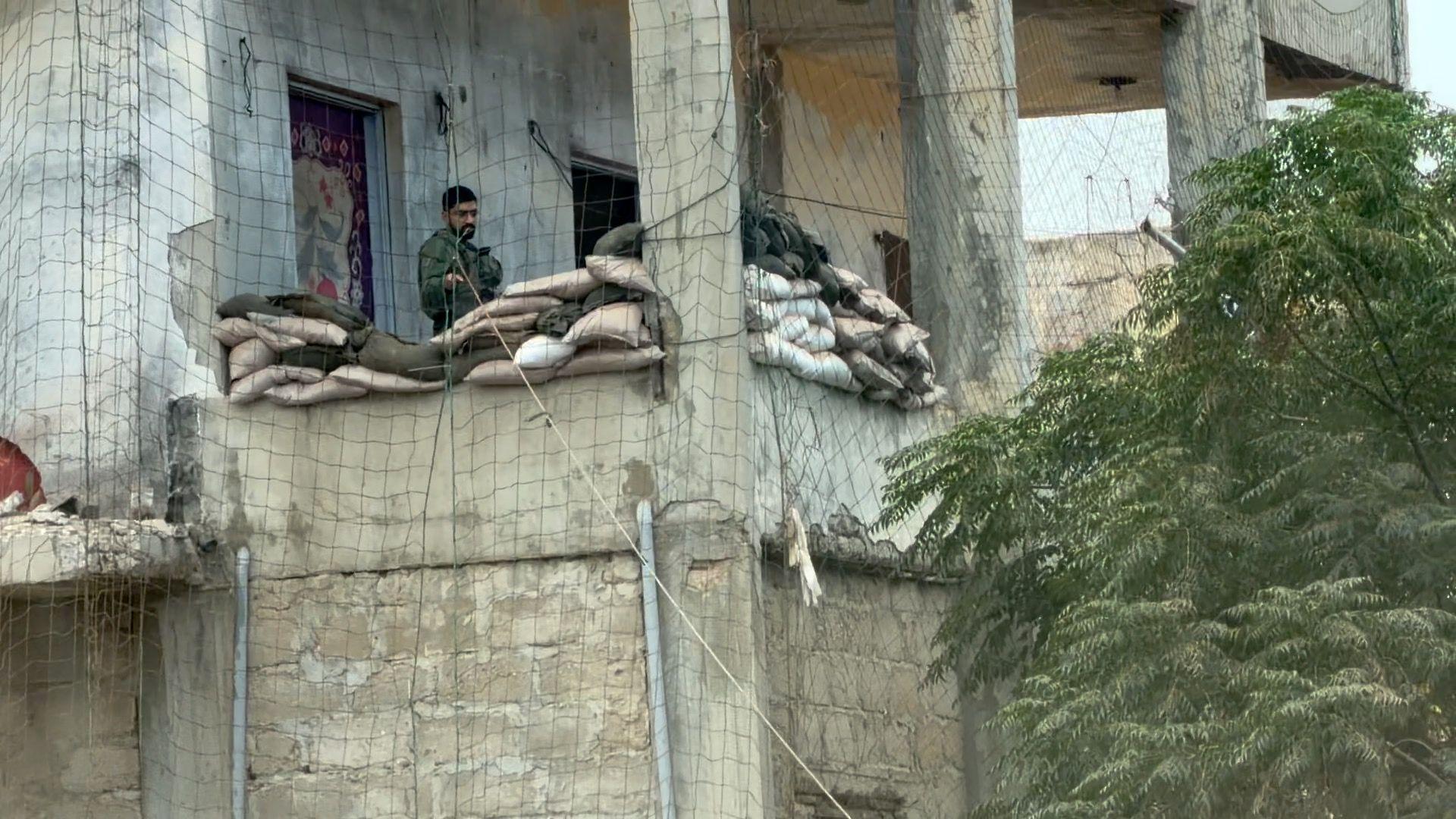
Human rights groups warn that the demolition of structures, the use of nets to shield buildings, and indiscriminate air strikes constitute a disregard for international law, intensifying the displacement crisis. Lebanese intelligence officials note more than 5,000 breaches by Israel since June, including daily incursions into areas beyond the “pilot zones.”
Hezbollah’s leadership has openly criticised any “pilot zones” as “surrender with humiliation,” demanding a full Israeli withdrawal before weapons talks can begin. Israel’s exit strategy is tied to the perceived reliability of Hezbollah’s disarmament, leaving a political impasse that shows no signs of progress as political timelines approach the October elections.
This report underscores a growing entrenchment of forces on the Lebanese side and the relentless human toll; the occupied towns stand as silent witnesses to a conflict still in motion, while the world watches the precarious balance of power along this fragile border.