In brief
The ongoing war in Iran has significant repercussions on the global economy, with countries like Russia, Norway, and Canada benefiting from rising oil prices, while the US, UK, and European nations struggle with increased fuel costs and economic instability. The conflict disrupts traditional energy supplies, compelling nations to reevaluate their energy sources and strategies.
The recent escalation in the Iran conflict has brought forth notable economic impacts, reshaping who benefits and who suffers. With soaring heating oil bills in regions as far as Yorkshire and significant disruptions to schooling in Pakistan, the conflict's financial ramifications are already being felt worldwide.
The retaliatory measures taken by Tehran are not only causing immediate disruptions but are likely to have lasting effects. Economically, the impact is asymmetric: while some parties face adversity, others strike lucrative opportunities amid the turmoil.
Winners: Norway, Canada, and Russia
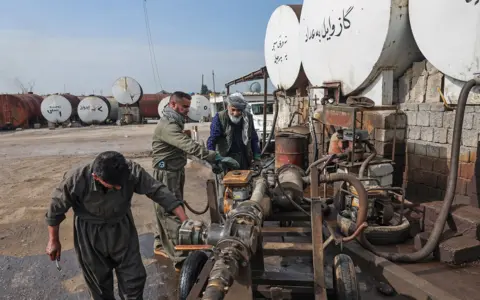
The continuing dependence on oil means those with abundant reserves—dubbed black gold—stand to gain significantly when prices spike. This time, however, it is not a conventional oil price shock. The Strait of Hormuz, a vital artery for Middle Eastern oil supplies, has been disrupted, directly affecting large Gulf producers like Qatar and Saudi Arabia.
Countries like Norway and Canada have emerged as potential beneficiaries as consumers seek alternative sources amidst the upheaval. Norway, having ramped up production following the Ukraine crisis, is strategically positioned to profit from the current situation.
Meanwhile, Russia’s crude oil exports to India have surged by 50% due to softening sanctions from Washington, with forecasts suggesting Moscow could earn billions more in fuel revenues this year, potentially marking a historic high since 2022.
Losers: US, UK, and Europe
The US may stand to profit from elevated oil prices through increased revenues for its producers, yet the overall net gain appears questionable. Major players such as ExxonMobil have operations in regions beset by conflict, and much of the US population remains heavily dependent on fluctuating oil prices, which creates economic vulnerability.
European consumers, particularly in the UK, reliant on imported gas, are particularly exposed to rising inflation rates that threaten economic growth. Increasing fuel prices could add to inflationary pressures, with projections indicating up to a 0.5% rise if current trends persist.
The outcome of this situation remains highly contingent on the geopolitical landscape and the responses of affected governments. As the conflict evolves, the potential for economic contagion across borders grows, underscoring the intertwined nature of today's global economy.