In brief
The federal immigration crackdown, dubbed Operation Metro Surge, is creating unrest in the Twin Cities as protesters face off against immigration officers. The operation has led to tensions, confrontations, and the tragic death of a local woman, Renee Good. Activists voice their discontent, while federal agents maintain a heavy presence, leading to turmoil in communities that are both fearful and resilient amid this crackdown.
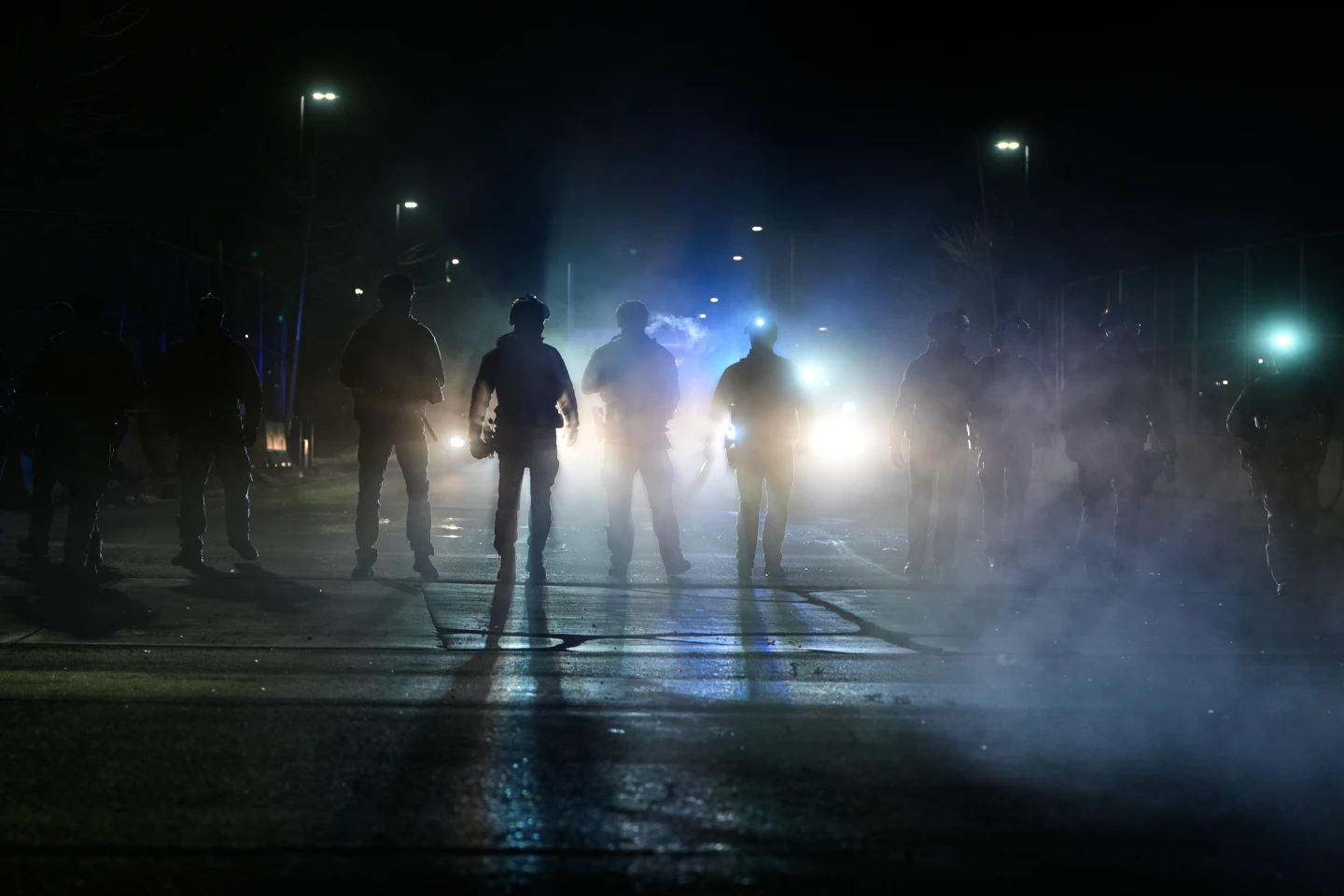
MINNEAPOLIS (AP) — Federal officers have kicked off a large-scale immigration crackdown known as Operation Metro Surge in the Twin Cities, with hundreds of agents in tactical gear streaming from their base near the airport. The crackdowns have become a familiar yet feared part of daily life in Minneapolis and St. Paul, with unmarked SUVs forming the front line against protests.Opponents, showing their defiance, gather early each morning to shout slogans like “Go home!” and “ICE out!” at the convoyed officers, signaling their discontent with escalating operations that have led to increased strife within their communities. Tensions can spike during nightfall when protesters often confront the returning agents, with crowd size swelling and tempers flaring, leading to violent engagements where tear gas and arrests have become commonplace.“We’re not going anywhere!” a determined activist told reporters during one recent demonstration.Operation Metro Surge, the Trump administration's most aggressive immigration strategy yet, has drawn local and state authorities into a bitter conflict with the federal government, culminating in dangerous collisions that already resulted in the tragic death of Renee Good, a local mother and bystander who lost her life amid escalating actions by federal agents.Despite the large presence of federal forces in the area, many residents in predominantly affluent neighborhoods remain largely unaffected, showcasing the stark divide in reactions across different communities. Nonetheless, in neighborhoods with higher concentrations of immigrants, feelings of fear and resistance have intensified.Mayor Jacob Frey condemned the surge, drawing comparisons to an invasion, and stated, “What we are seeing is thousands — plural, thousands — of federal agents coming into our city.” This sentiment echoes throughout affected neighborhoods, where many families and individuals are not only skipping school or ordering takeout but also staying home altogether due to fear of federal enforcement.Images of community members rallying to support each other, handing out supplies during protests, and residents lining up at immigrant-owned businesses now tell the story of a city grappling with the weight of its response to federal immigration policy and the actions that stem from it. Local leaders urge for peaceful protests while citizens remain wary of possible escalations similar to those witnessed after George Floyd's death at the hands of the police in 2020.As the conflict takes a toll on the local populace, the haunting memories of past violence and injustice linger, reminding all involved that the fight for community safety and justice is far from over.