In brief
Geraldo Lunas Campos, a Cuban immigrant detained at Camp East Montana in Texas, died amidst conflicting accounts from authorities regarding the circumstances of his death. Witnesses allege he was subdued by guards using excessive force, while government sources claim he attempted suicide. Initial autopsy findings suggest his death results from asphyxia, prompting investigations into the conditions of immigration detention facilities, which are facing increased scrutiny. Lunas Campos was also a father of four with a troubled past, raising questions about the treatment of vulnerable individuals in ICE custody.
WASHINGTON (PulseWire) — Geraldo Lunas Campos, a Cuban immigrant, died earlier this month in a Texas immigration detention facility during an altercation with guards. The local medical examiner's preliminary report likely classifies his death as a homicide.
On January 3, Lunas Campos's demise occurred amidst conflicting narratives from the federal government and eyewitness accounts. Authorities assert that he attempted suicide, whereas witnesses claim he was handcuffed and placed in a chokehold until he lost consciousness.
As tensions rise around immigration detention conditions, the death of Campos, a 55-year-old father of four, becomes a focal point in the ongoing discussion about the treatment of detainees. The El Paso County Medical Examiner's Office reported that the cause of death was asphyxia due to chest and neck compression.
U.S. Immigration and Customs Enforcement (ICE) has a legal obligation to disclose detainee deaths, but their statement made no mention of an altercation prior to Campos's death. There are increasing concerns about the treatment of detainees amid widespread immigration enforcement activities.
Initial reports from the Department of Homeland Security (DHS) indicated that Lunas Campos had engaged in self-harm, which was later modified to suggest that he resisted staff leading to the altercation. Detainee Santos Jesús Flores witnessed the incident and indicated that the guards used excessive force, stating, “The last thing he said was that he couldn’t breathe.”
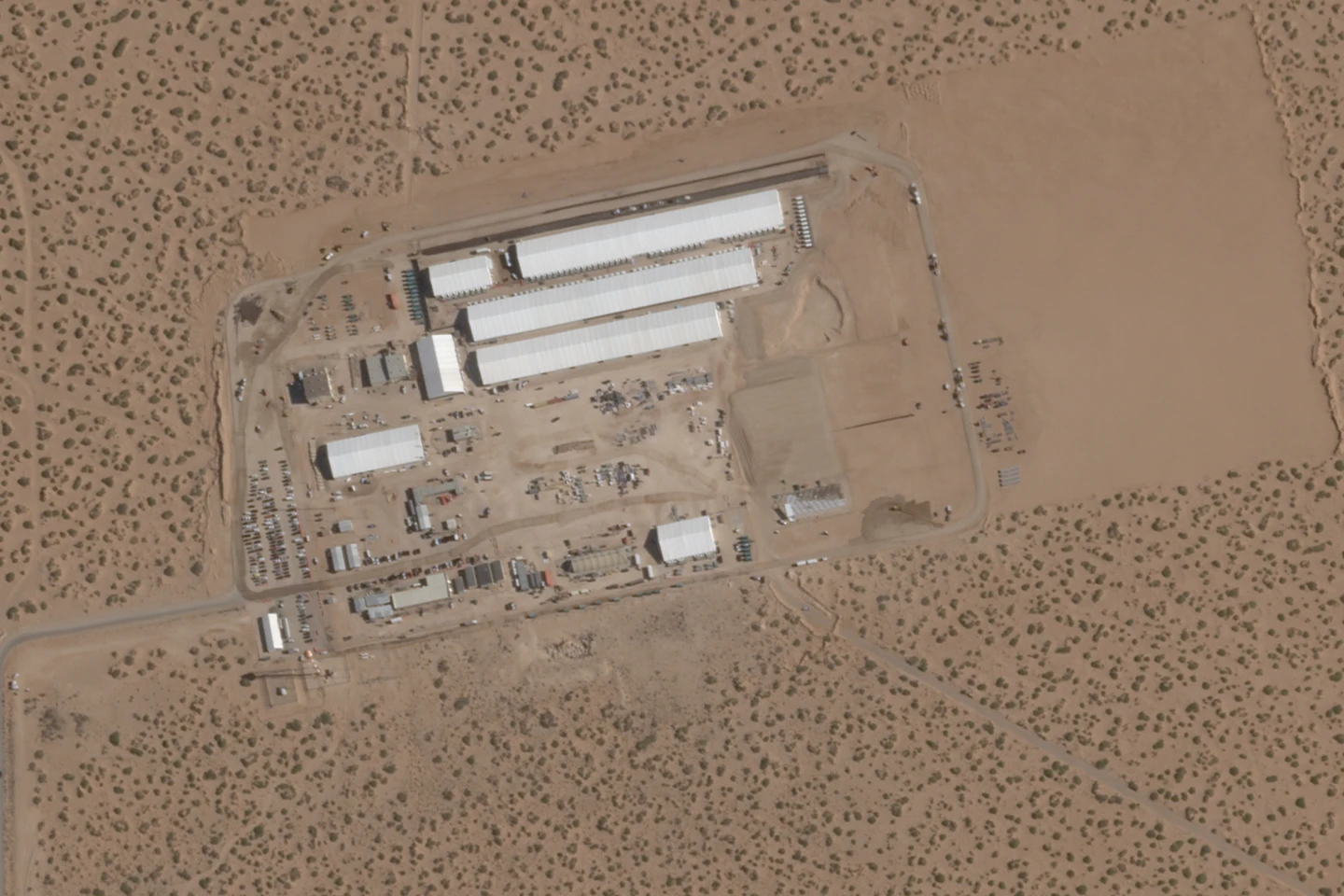
Campos's death raises questions about the operational standards at Camp Montana East, a newly built facility criticized for lacking proper oversight. His arrival at the facility occurred after a history of prior convictions that made him subject to deportation proceedings.
The circumstances surrounding his death remain contentious, and eyewitness testimonies indicate that the situation escalated rapidly, resulting in Campos losing his life shortly after being subdued.
The ongoing investigations and the preliminary ruling of homicide emphasize the need for accountability concerning the treatment of individuals in immigration custody, particularly those with complicated backgrounds. As more details surface, family members, including Campos's ex-partner, seek justice and answers about the events leading to his untimely death.