In brief
In Minneapolis, federal immigration agents have resorted to aggressive crowd-control tactics, including the use of rifles and chemical irritants during protests. Experts claim that the measures heighten tensions and the agents involved often lack sufficient crowd-management training. The situation has become increasingly volatile following the fatal shooting of a protester by immigration officers, prompting calls for legal action to regulate their methods. As the protests escalate, the American Civil Liberties Union has filed a lawsuit seeking intervention against the methods employed by federal agents.
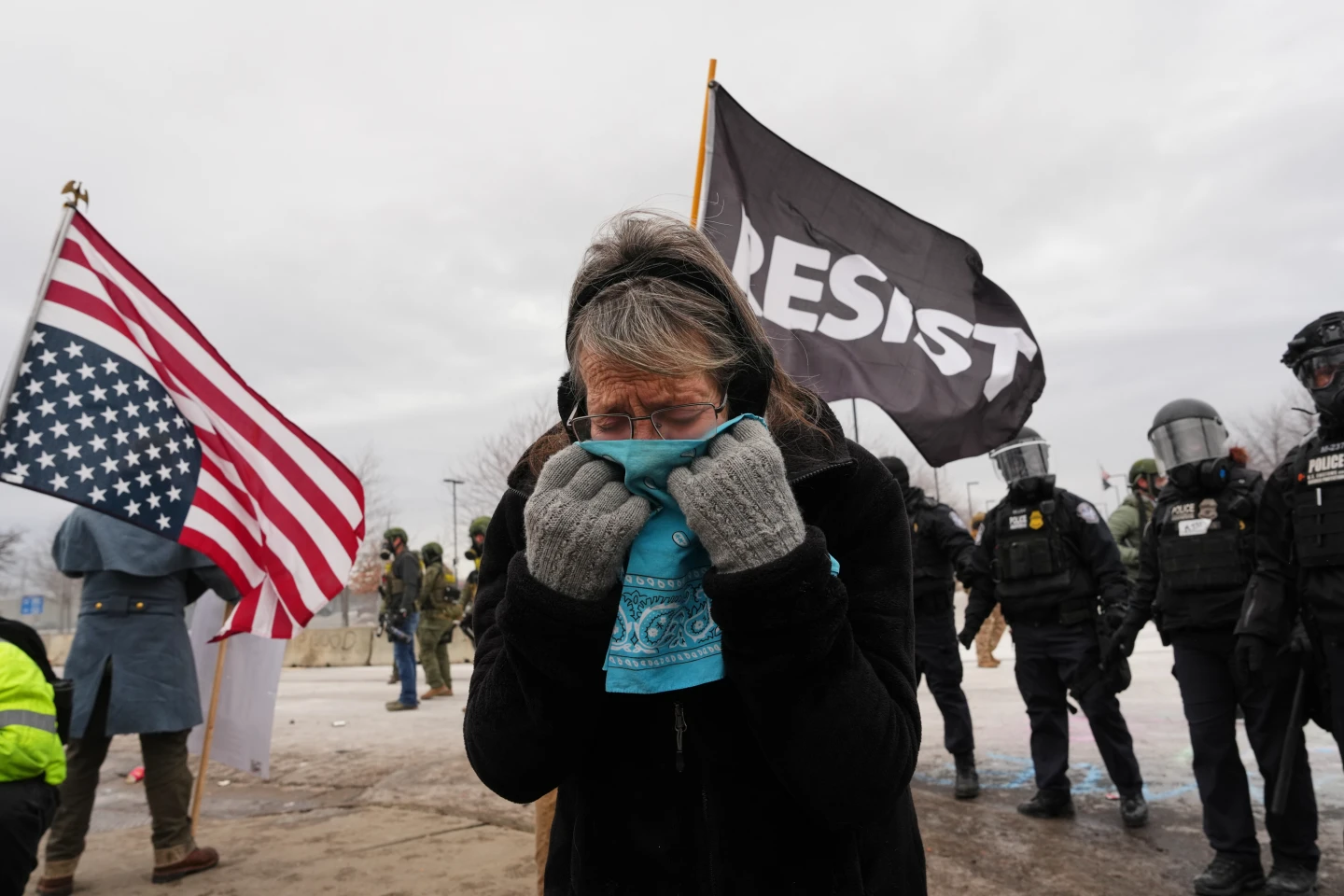
Federal immigration agents deployed in Minneapolis have recently employed aggressive crowd-control methods, such as pointing rifles at protesters and using chemical irritants early in confrontations. Government officials state these actions are necessary to safeguard officers from potential violence, but law enforcement experts argue that such tactics escalate risks, particularly when employed by agents lacking in crowd-management training.
Videos and testimonies gathered by the Associated Press reveal instances of federal agents smashing vehicle windows and pulling occupants from their cars amid protests, deploying tear gas and pepper spray during close encounters with demonstrators. Experts caution that while these tactics may be warranted in targeted arrests, they pose elevated dangers in crowd situations.
The confrontations align with a heightened immigration enforcement initiative launched by the Trump administration in early December, which has dispatched over 2,000 officers from across the Department of Homeland Security to the Minneapolis-St. Paul region. Many of these officers typically engage in arrests, deportations, and criminal investigations, rather than managing public disturbances.
This emerging trend in Minneapolis underscores a larger shift in how federal authorities assert their power during protests, utilizing immigration agents for crowd management — a role traditionally fulfilled by local law enforcement. Experts contend that this approach undermines de-escalation standards and risks transforming charged demonstrations into potentially fatal encounters.
The situation has intensified following the shooting of 37-year-old Renee Good, which federal officials characterize as an act of self-defense, alleging that Good used her vehicle as a weapon. This incident has led to rising protests and scrutiny of federal handling of the situation.
On Monday, the American Civil Liberties Union of Minnesota moved to file a lawsuit seeking a federal intervention to limit the operations of federal agents during protests. Their request includes restrictions on the use of chemical agents, the pointing of firearms at non-threatening individuals, and hindrances to lawful recording of the events.
Former Immigration and Customs Enforcement Director Sarah Saldaña remarked, What’s happening now is not a traditional approach to immigration apprehensions. She expressed concerns that agents are confronting unfamiliar situations without adequate preparation.
Experts emphasize that police agencies have evolved significantly in their crowd-control tactics, understanding that a heavy-handed approach can escalate tensions among both officers and protesters. In the absence of a nationwide standard for crowd management, these recent actions by federal agents risk undermining public safety and trust.