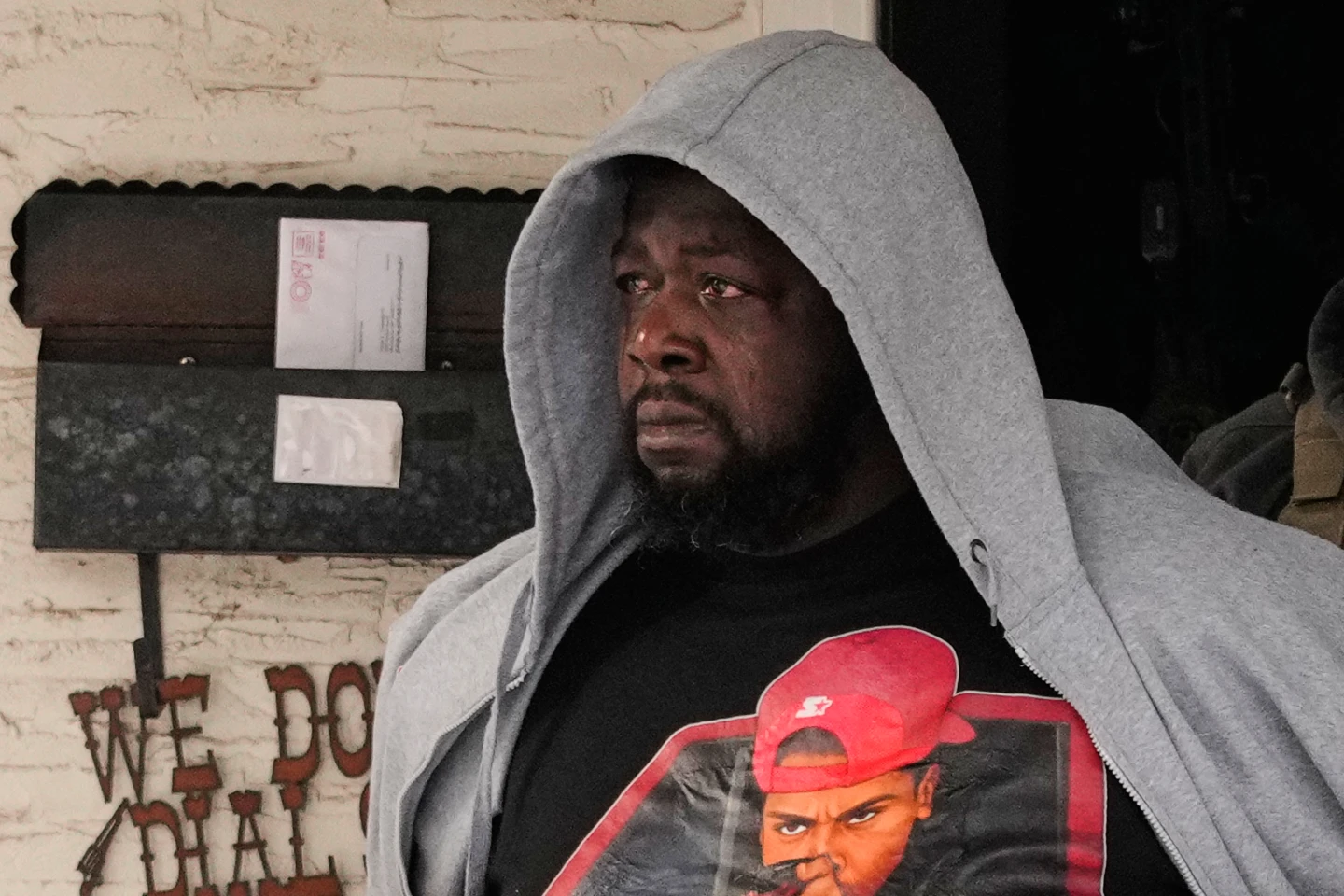
MINNEAPOLIS (AP) — Garrison Gibson, a 38-year-old immigrant from Liberia, has expressed his fears of leaving his home after being briefly held in immigration detention as part of a controversial crackdown under the Trump administration. On January 11, federal officers forcibly entered Gibson's home, using a battering ram, which has incited protests against the administration's aggressive immigration tactics.
Gibson's ordeal began with an arrest linked to a 2008 drug conviction that had later been dismissed. He was released from custody after a judge determined he had not been properly notified of changes to his supervised status. Despite his legal residence in the country, Gibson now lives in fear, saying, 'I don’t leave the house.'
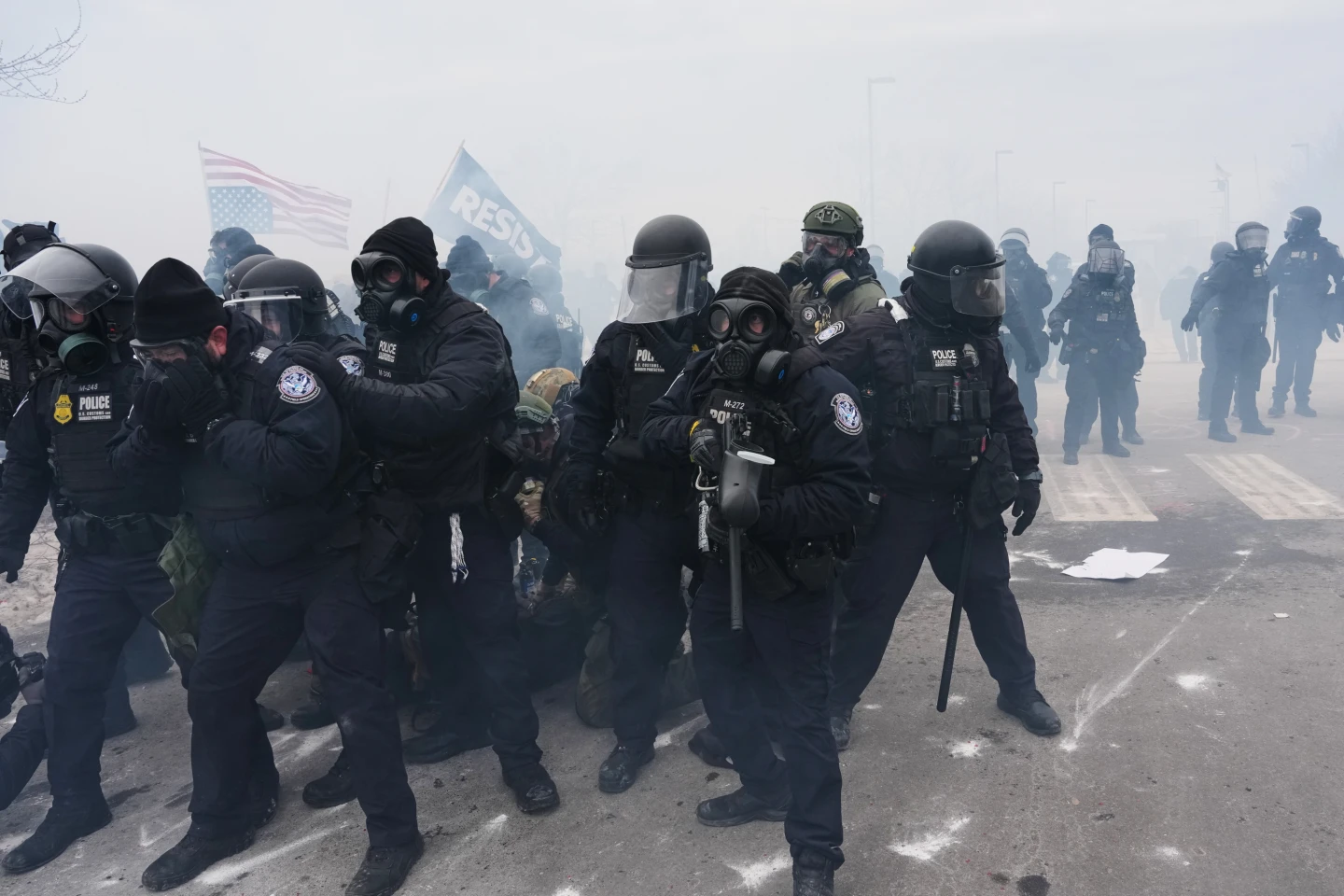
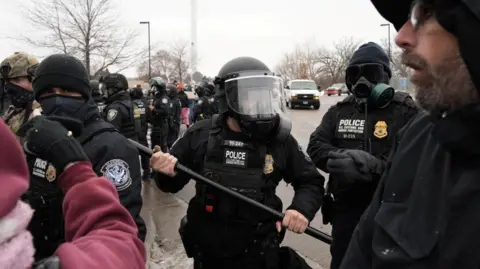
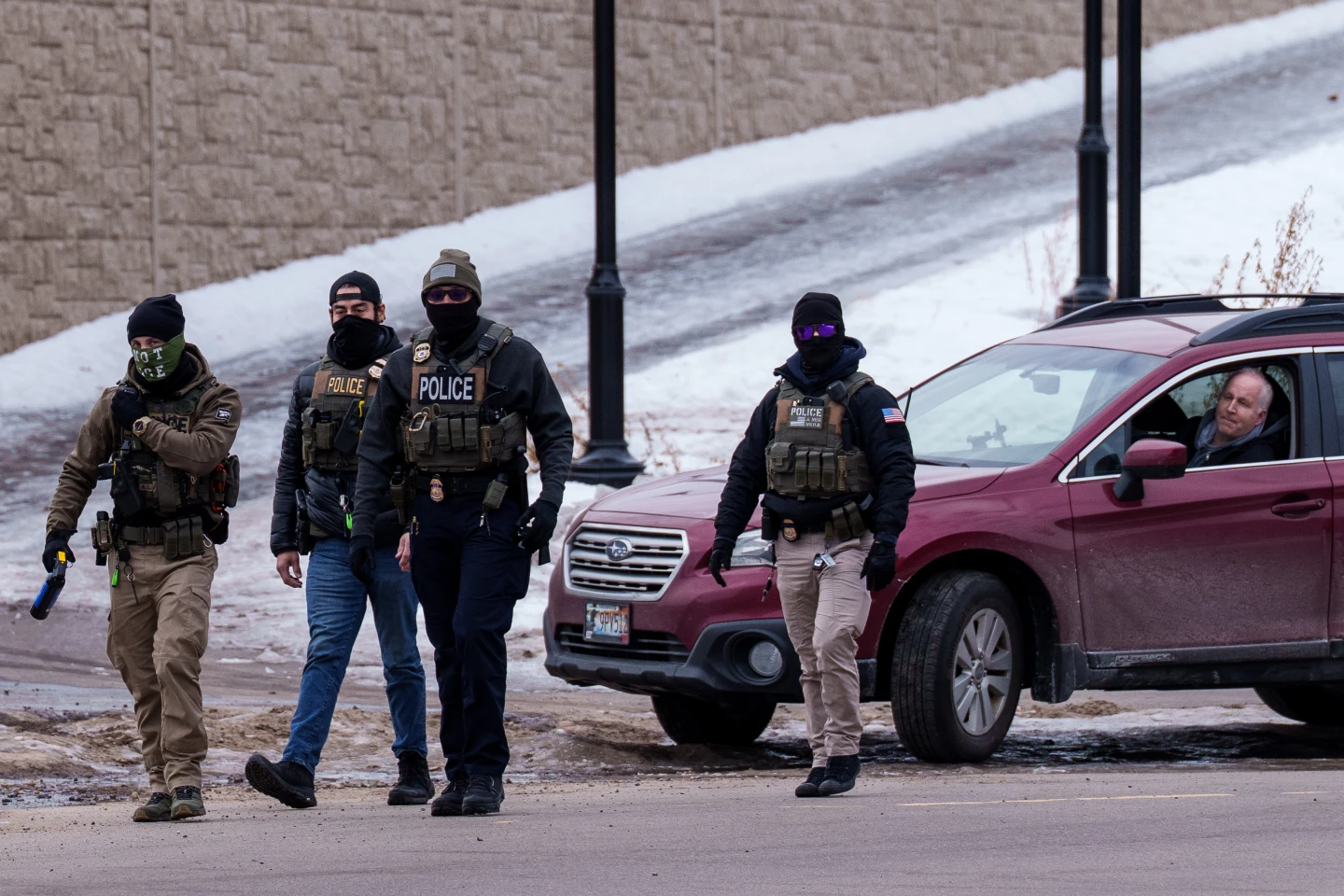
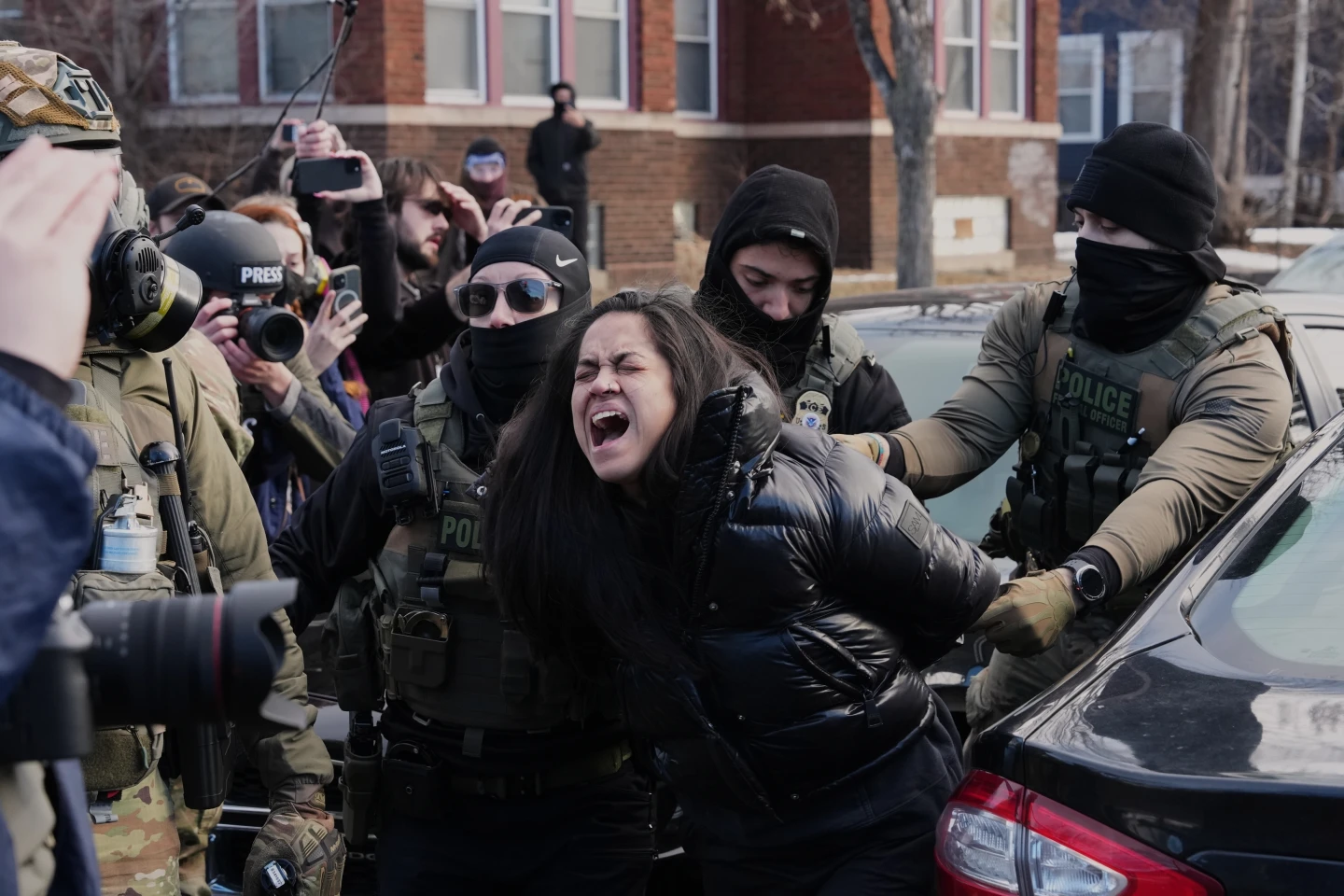
His case is not isolated; it occurs during what the Department of Homeland Security has branded its largest immigration enforcement operation yet, resulting in over 2,500 arrests across the Twin Cities of Minneapolis and St. Paul. Activists argue this crackdown infringes upon civil liberties and have rallied for justice, citing the use of force against peaceful protestors as part of the enforcement strategy.
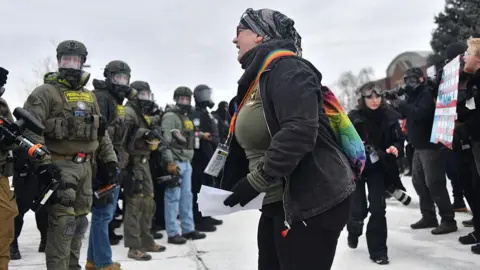
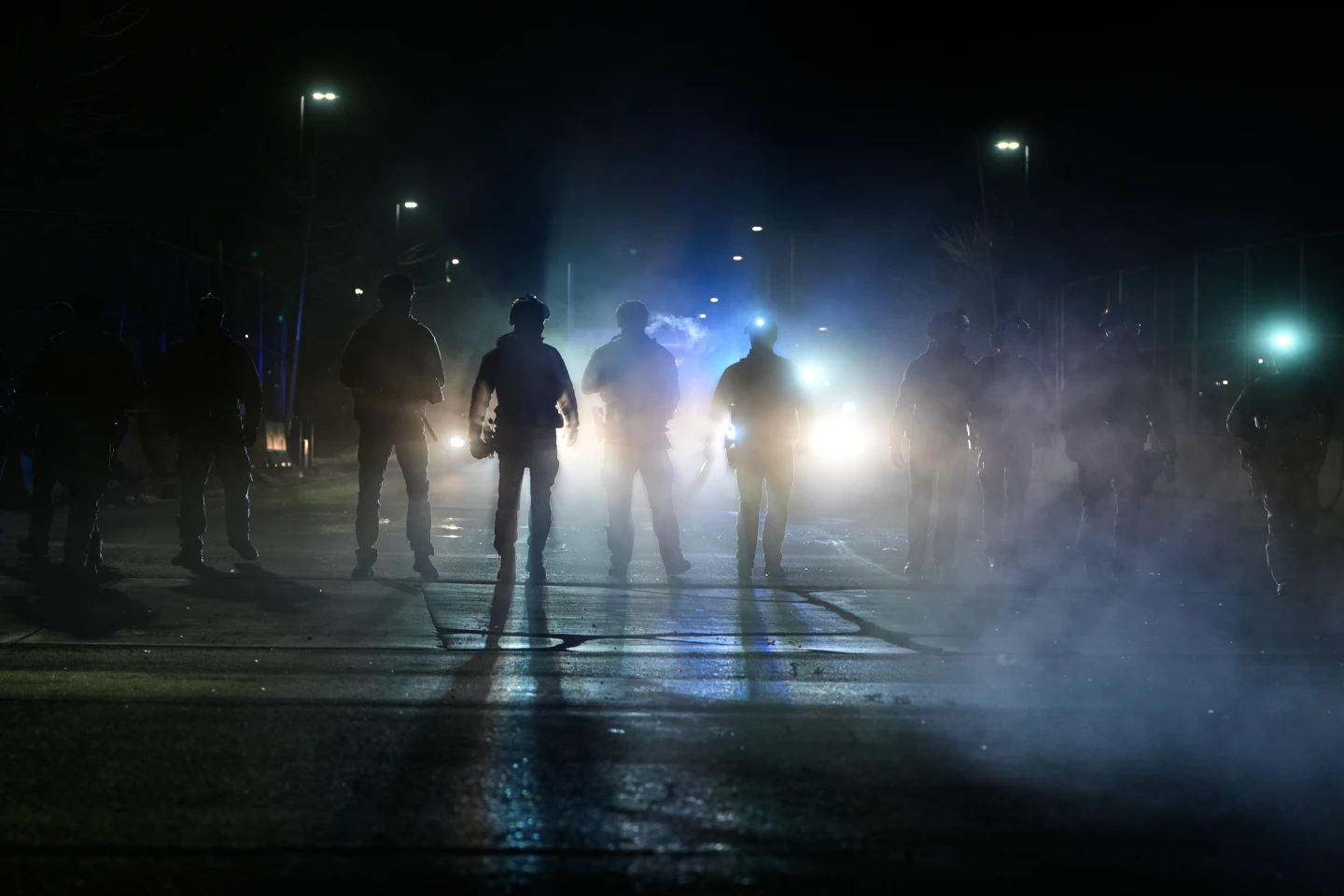
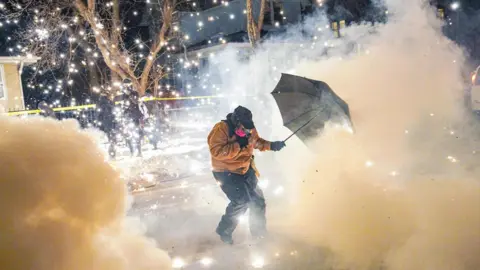
The crackdown has sparked frequent protests in Minneapolis, characterized by community members voicing their opposition to perceived injustices and aggressive tactics used by Immigration and Customs Enforcement (ICE). The Department of Homeland Security has responded by labeling protesting activists as disruptive and has vowed to continue its enforcement operations. Meanwhile, a federal judge recently ruled to prohibit immigration officials from detaining peaceful protestors, underscoring the ongoing tensions between community advocates and federal authorities.
Gibson's situation reflects a significant human aspect of the immigration enforcement debate, as he continues to feel threatened by possible deportation despite following the check-in procedures set by ICE for the past 17 years. His family endured significant hardship, having to repair their front door after it was damaged due to the forcible entry during the arrest. 'If I was a violent person,' Gibson asserted, 'I would not have been out these past 17 years.'
The community's response, galvanized by Gibson's story, symbolizes the broader struggles immigrants face in a polarizing political climate. The situation promises to escalate further as both protests and government actions unfold in this politically charged environment.