In brief
Reza Pahlavi, the exiled son of Iran's last king, has urged the international community to assist Iranian protesters in their struggle against the government. Amidst ongoing unrest and violent crackdowns, Pahlavi asserted that a 'surgical strike' against Iran's Revolutionary Guards could help save lives and facilitate change. His statements come as protests, sparked by economic issues, have turned into widespread calls for the end of Supreme Leader Ali Khamenei's rule, resulting in significant casualties among demonstrators.
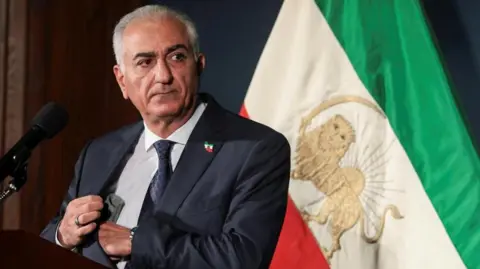
The exiled son of the last Iranian shah (king), Reza Pahlavi, has called on the world to support protesters aiming to overthrow Iran's government, expressing confidence that 'the Islamic Republic will fall - not if, but when.'
Pahlavi, speaking from the US, advocated for a 'surgical strike' against Iran's Revolutionary Guards to protect lives and assist the populace's efforts. More than 2,000 protesters have reportedly died in the ongoing demonstrations, which began over economic grievances in December and escalated into demands for the ousting of Supreme Leader Ali Hosseini Khamenei.
The Iranian government has dismissed these protests as 'riots' fueled by foreign enemies.
Pahlavi has become a focal point in the fragmented opposition to the Iranian regime, pushing for intensified protests. Despite the authoritarian crackdown which has included heavy internet restrictions, he remains optimistic. I am trying to help them liberate themselves, he asserted, while also affirming that the future leadership of Iran should be determined by its people.
In reaction to the situation, US President Donald Trump has warned Iran against further violence towards its citizens and suggested that military measures could be on the table.
With the protests driven by rising living costs and the declining value of the Iranian rial, Pahlavi envisions a future governed by principles like separation of religion and state and democratic choice by the Iranian people.
Pahlavi has also alleged that some members of Iran's security forces have resisted government's violent repression, indicating possible discord within the regime.
In summary, amid escalating tensions, Pahlavi's call for global assistance highlights a crucial moment in Iran's turbulent political landscape.