In brief
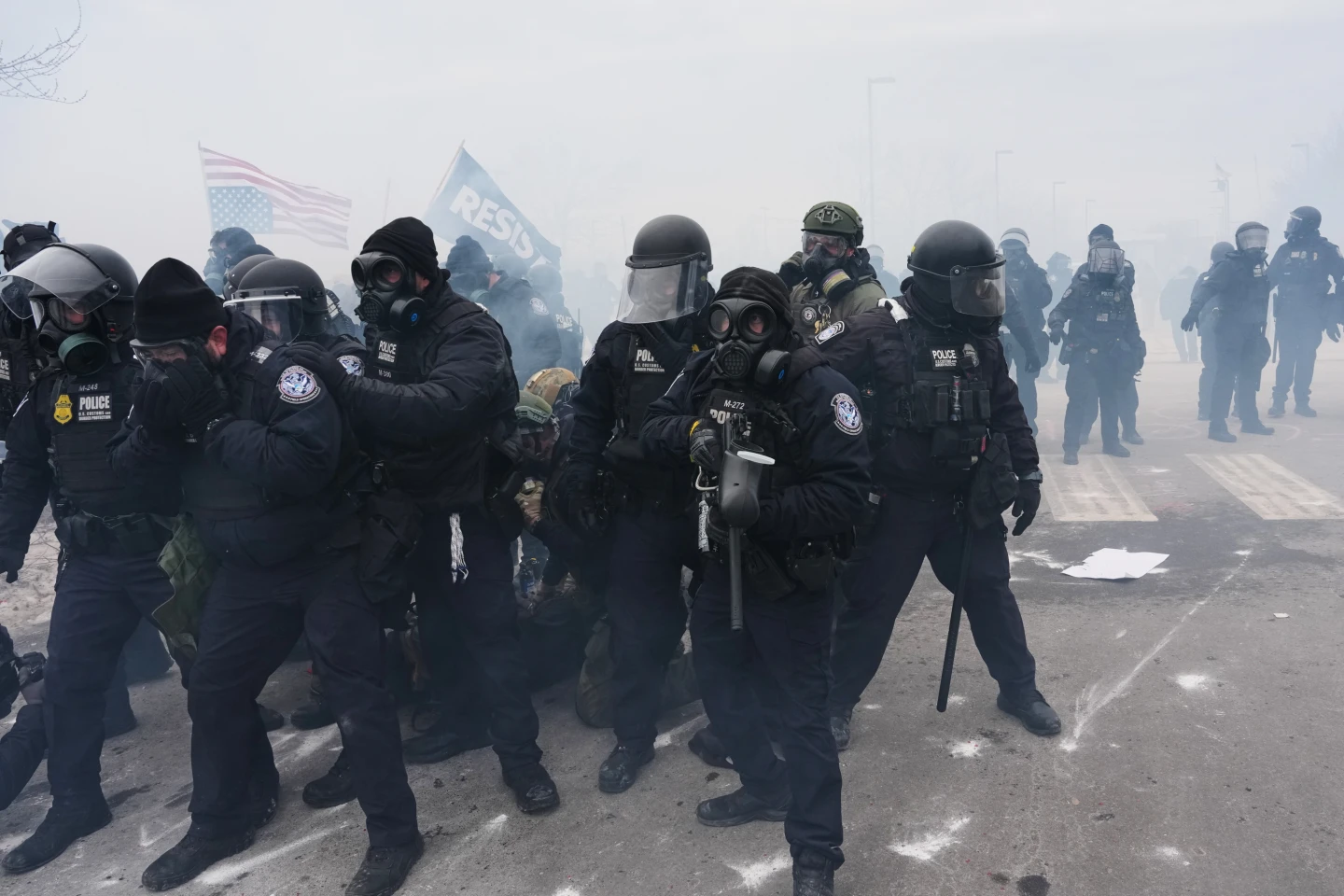
As the Trump administration intensifies its immigration crackdown in Minneapolis, it faces backlash for utilizing messaging reminiscent of white supremacist and far-right rhetoric. Following a recent ICE shooting, the Department of Homeland Security and other governmental agencies have posted controversial images and slogans, prompting critiques and comparisons to Nazi propaganda. The administration defends its messaging as a response to illegal immigration, while experts raise concerns over the implications of such rhetoric.
As its immigration crackdown in Minneapolis intensifies, the Trump administration is facing scrutiny over messaging that echoes far-right slogans. On January 9, following a U.S. Immigration and Customs Enforcement agent's shooting of Renee Good, the Department of Homeland Security shared a post featuring a man on horseback with the words We’ll have our home again, a lyric previously adopted by groups such as the Proud Boys.
The next day, the Department of Labor tweeted, One Homeland. One People. One Heritage. Remember who you are, American, drawing criticism for its resemblance to a Nazi slogan. As pressure mounts, the White House has been posting imagery that highlights national identity in ways many see as divisive.
In response to accusations that its imagery aligns with white supremacist rhetoric, the administration insists that its messaging simply reflects a commitment to curbing illegal immigration, with White House officials labeling the criticisms as boring and tired. They argue that far-right associations are overly exaggerated.
However, experts assert that the administration's choice of language and imagery can resonate with extreme right-wing groups, potentially undermining broader public support and fostering a culture of division. The juxtaposition of Trump's aggressive immigration stance with visual rhetoric often favored by white nationalists has reignited debates about the implications of such messaging.
In the midst of heightened tensions surrounding immigration policies and practices, the tongue-in-cheek choices in visuals and phrases continue to provoke an outcry from both critics and proponents of immigration reform.