In brief
Eyewitness accounts at the Iranian-Iraqi border crossing illustrate the harrowing impact of the recent government crackdown on protesters. Despite an internet blackout and fears of arrest, some individuals share stories of violence faced during demonstrations, as the Iranian regime struggles to quell dissent and citizens voice their desperation for basic rights and better living conditions.
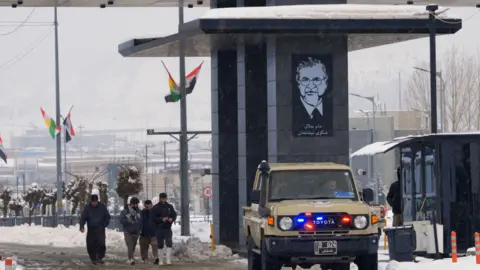
The border crossing from Iran into Iraqi Kurdistan tells a story of desperation against a backdrop of political turmoil. Thick snowflakes fall on lorries and pedestrians entering this remote mountain pass, where an Iranian flag flutters nearby amidst the harsh weather.
Inside the arrivals hall, a multitude of men, women, and children seek refuge on the Iraqi side. Many are here to visit family, but underlying tensions owing to recent protests and government crackdowns loom large. One individual, concealing his identity, recounted his harrowing experience of being shot during a protest in central Iran: I was hit in the face by seven pellet rounds, he detailed, displaying the evidence of his injuries while recounting the fear that kept him from seeking medical help.
The sense of fear is palpable among those who have suffered brutal crackdowns—many avoid hospitals to evade arrest. Stories of friends and family caught in the turmoil only deepen the sense of dread. Reports indicate that protests persist, despite the Iranian government's stringent control measures and internet blackouts, which aim to stifle communication.
While the regime's repression seems to create a chilling effect, the socio-economic issues leading to the unrest remain unresolved. Individuals express a longing for a return to a semblance of normalcy—a life free from fear where basic rights are respected and economic burdens lifted. The populace grapples with soaring inflation and stagnant wages, highlighting the discontent that fuels the ongoing protests.
As one teacher poignantly described, they desire nothing more than the ability to lead a normal life: We don't want anything more than our basic rights. The constantly looming threat of violence underscores the regime's control, yet a quiet rebellion appears to brew behind the closed border, representing the unquenched thirst for change.