In brief
Recent verified videos from Iran depict a harrowing scene of bodies accumulated in hospitals and armed snipers positioned on rooftops, amid ongoing nationwide protests. Despite crippling internet blackouts, groups like the Human Rights Activists News Agency report thousands of deaths, indicating a severe governmental crackdown on dissent. With protests expanding across numerous cities, the situation remains dire as activists continue to seek transparency and accountability.
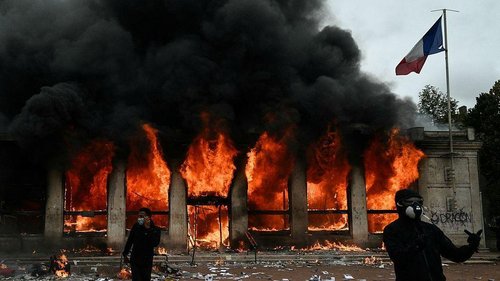
Verified videos emerging from Iran showcase a tragic reality where bodies are piled up in hospitals, snipers are stationed on rooftops, and surveillance systems are being damaged amid a massive crackdown on protests that erupted earlier in the month.
The U.S.-based Human Rights Activists News Agency (HRANA) has reported the confirmed deaths of nearly 6,000 individuals, primarily protesters, since the unrest began. Meanwhile, the Norway-based Iran Human Rights (IHR) warns that the final death toll could surpass 25,000, highlighting the growing crisis.
As authorities enforce a near-total internet blackout, it becomes exceedingly challenging for activists and journalists to document the situation. Nevertheless, activists have managed to share verified clips that detail violent confrontations between security forces and protestors.
Among the most disturbing evidence is footage from the Tehranpars hospital in eastern Tehran, showing multiple bodies, some operating outside normal procedures as indicated by new videos from the ongoing resistance effort.
Massive crowds protesting on highways can be seen in various clips, punctuated by the sounds of gunfire and screams. More alarming are videos of armed individuals firing weapons from buildings, hinting at a widespread military presence against civilians.
Snipers have been observed atop buildings in cities such as Mashhad, while other footage captures protesters actively disabling CCTV cameras in their attempt to evade surveillance.
Protests commenced following calls for nationwide demonstrations from Reza Pahlavi, the exiled son of the late Shah of Iran. The surge in civil unrest reflects deep-rooted societal frustrations, with demonstrators risking their lives to express dissent.
With internet access severely restricted, activists fear that the blackouts will prevent thorough captures of ongoing events, though some have managed to utilize satellite technology to maintain limited connectivity.
Expectations are high that more evidence will surface despite these setbacks, as the undercurrents of popular discontent continue to challenge state narratives.