In brief
In the wake of significant unrest in Minneapolis, the Minnesota Star Tribune has emerged as a beacon of local journalism, breaking critical stories and adapting to the rapidly changing news environment. With a strong commitment to digital transformation and a robust newsroom, the outlet is effectively covering escalating tensions related to immigration enforcement and community protests. Amidst challenges faced by the media industry, the Star Tribune's unique ability to connect with the local community demonstrates the power of regional journalism in informing and engaging the public during pivotal moments.
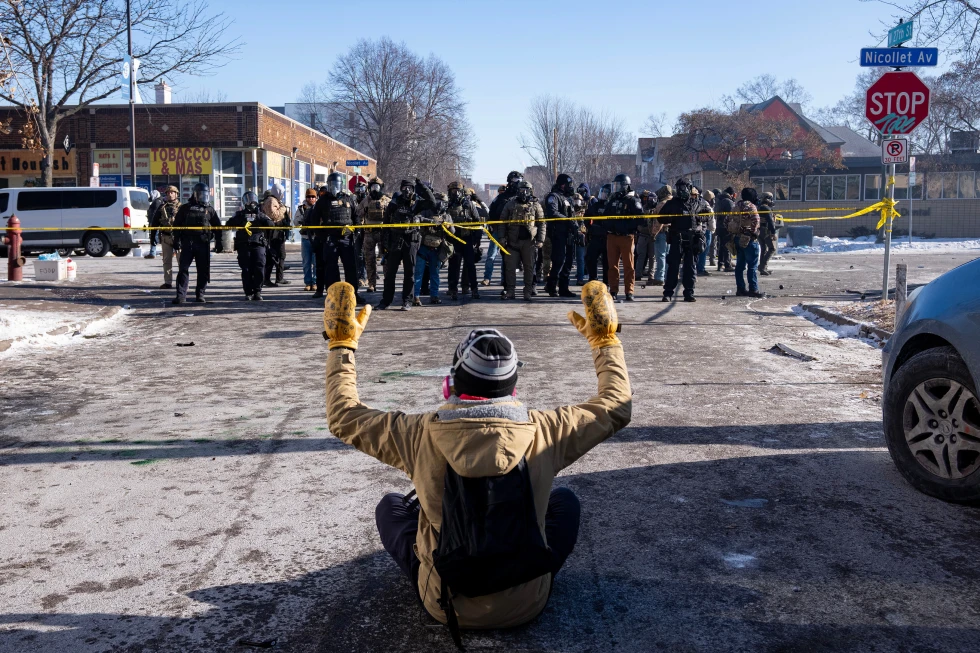
With the eyes of a nation fixed on the unrest in Minneapolis, local journalists have risen to the challenge, exemplified by the Minnesota Star Tribune's comprehensive coverage of critical events over the past month. From revealing the identity of the immigration officer involved in a shooting to producing significant photographic documentation of protests, the Star Tribune has maintained a strong presence in the evolving narrative around local unrest.
Under the leadership of publisher Steve Grove, the Star Tribune has demonstrated resilience in a journalism landscape often marked by decline. Despite challenges faced by local newspapers nationwide, the Star Tribune has kept staffing levels relatively steady since its acquisition by billionaire Glen Taylor in 2014, focusing on a necessary digital transformation to adapt to the demands of modern news consumption.
“If you hadn’t invested in the newsroom, you wouldn’t be able to react in that way,” Grove stated, underlining the importance of having an active and capable team for rapid response to breaking news.
Minnesota’s Journalism Ecosystem
The Star Tribune is not alone in its efforts. Minneapolis possesses a rich journalism tradition, bolstered by organizations such as Sahan Journal, which focuses on immigrant and diverse communities and has gained recognition for its coverage of the Trump administration's immigration policies.
As part of this ecosystem, the Star Tribune has been able to leverage local insights and connections, which have proven invaluable in covering the nuances of ongoing events. Reporters such as Josie Albertson-Grove, who was quick to report on the tragic shooting of ICU nurse Alex Pretti, capitalize on their familiarity with the neighborhood and its residents to better understand and convey the unfolding story.
Additionally, interactions within the community have enabled reporters to uncover vital information about the actions of ICE and their implications, exemplified by Liz Sawyer's ability to tap into local sources to deepen her stories.
Impact of Local Reporting
The Star Tribune has delivered impactful stories that resonate with the public, such as the detailed examination of the backgrounds of 240 immigrants recently rounded up by ICE. The team also analyzed the emotional toll and practical realities of living in a climate of fear, as expressed in personal accounts from residents who now feel the need to carry identification documents to establish their status in the community.
The Star Tribune's financial outlook has improved, with a 50% increase in website traffic and rising subscription numbers, as readers increasingly turn to local sources for reliable reporting. The newsroom's commitment to continuous live blogging and forensic analysis of video footage from high-profile incidents demonstrates a shift towards a more interactive and responsive journalistic approach.
As the Star Tribune navigates these tumultuous times, it remains optimistic about the role of local journalism in fostering community connection and accountability. Reporters acknowledge ongoing challenges but continue to push for thorough investigative work that serves both their audience and the integrity of their profession.
In this period of heightened scrutiny and societal unrest, the demand for accurate and responsive local journalism has never been clearer, with the Star Tribune standing as a testament to the essential role regional news organizations play in their communities.