In brief
Peatland fires in Borneo have turned the region into an apocalyptic rust‑colored haze, forcing families into dreaded indoor confinement. At least 277,000 Indonesians have suffered respiratory illness amid a pandemic of smoke, and the government reports an 80% success rate in extinguishing new fires – a measure that still leaves millions exposed. Firefighters and villagers alike face the relentless spread of fire into new areas, while the western haze drifts into Singapore, Malaysia and the Philippines. With the rainy season still out of reach, urgent calls for additional resources and improved emergency plans echo across Central Kalimantan.
When the sun hits the smog enveloping Indonesian Borneo, the landscape turns to rust‑colored haze, turning cars, houses and streets into a dim, russet fog that disappears with the dawn.
In Palangkaraya, Dianyra Eka Nastiti – a mother of three – wakes at night to the rattling sound of her baby’s chest. "I worry every night: will my child cough tomorrow?" she says, recalling a hospital trip for bronchopneumonia when her infant was just a month and a half old.
About 1.9 million hectares of peatlands and forest have burned across Indonesia this year, roughly the size of New Jersey. The charred ground releases micro‑particles and carbon monoxide that spread across Southeast Asia, masking the region in a noxious cloud.
Health toll
Health Ministry data shows more than 277,000 cases of respiratory illness, including 62,000 in children under five. Microparticles penetrate deep into lungs and the bloodstream, triggering inflammation, chronic lung disease and increased premature death. The government says it deployed over 60,000 personnel in a “land operation” that has extinguished 80% of new fires, but on the ground the work is exhausting and resources are finite.
Life under the haze
Residents are told to stay indoors while the sky turns yellow and hazy. But for families like Dianyra’s, staying inside means realising the need to buy food, school supplies and medicine. "I have to keep my children outside, playing or going to school," she says. "They are locked inside; it’s the only safe option we can take," she adds.
Government response
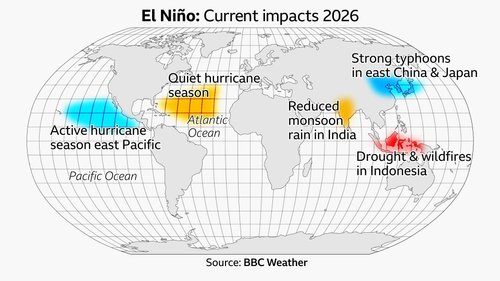
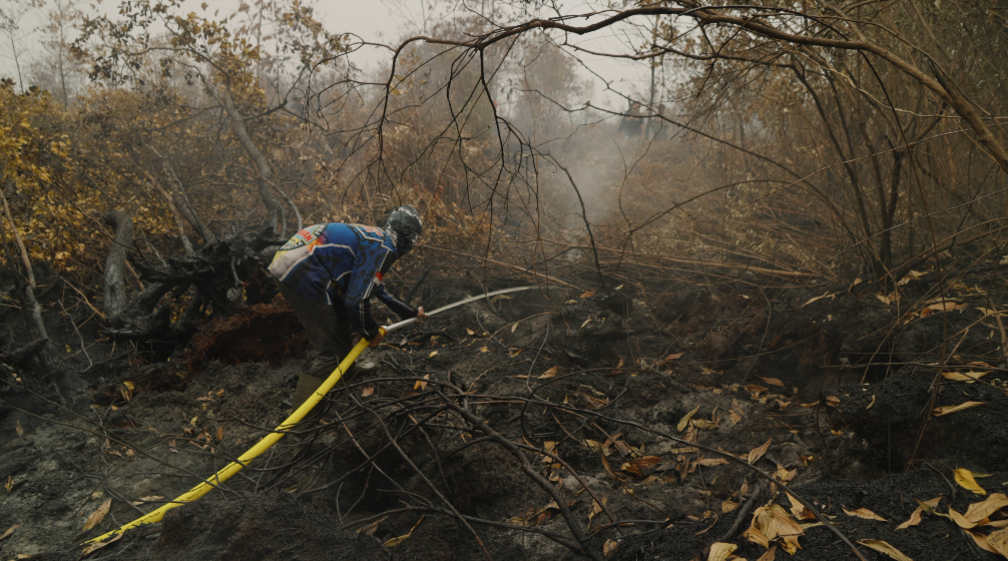
Experts urge all available techniques to be employed – from aerial water bombing to experimental weather modification. Dr Nisa Novita, a peatland researcher, compares the effort to saving a sinking ship, stressing urgent action to prevent further damage. Firefighter Juni, in his 100‑day battle, says the underground fires still smoulder, demanding more water – a scarce commodity amid a Super El Niño drought.
"We need rain, we need clear air, we need a way out," he cries. Residents echo the plea: the haze continues, and the only hope appears to be an unplanned, heavy rainfall, but time is running out.