In brief
The 2026 El Niño is currently exceeding all previous records of sea‑surface temperatures, according to the Australian Bureau of Meteorology and other international agencies. With temperatures surpassing the 2015‑16 event, experts predict severe weather impacts around the globe, from droughts in Southeast Asia to floods in East Africa. The World Meteorological Organisation says climate change is not yet proven to intensify El Niño, yet the combined effect of natural warming and human‑induced change may make this year one of the warmest on record. Weather forecasters warn of heightened cyclone activity in the Pacific and increased storm risk in the UK and other regions. PulseWire’s crowdsourced live map will track the evolving threat.
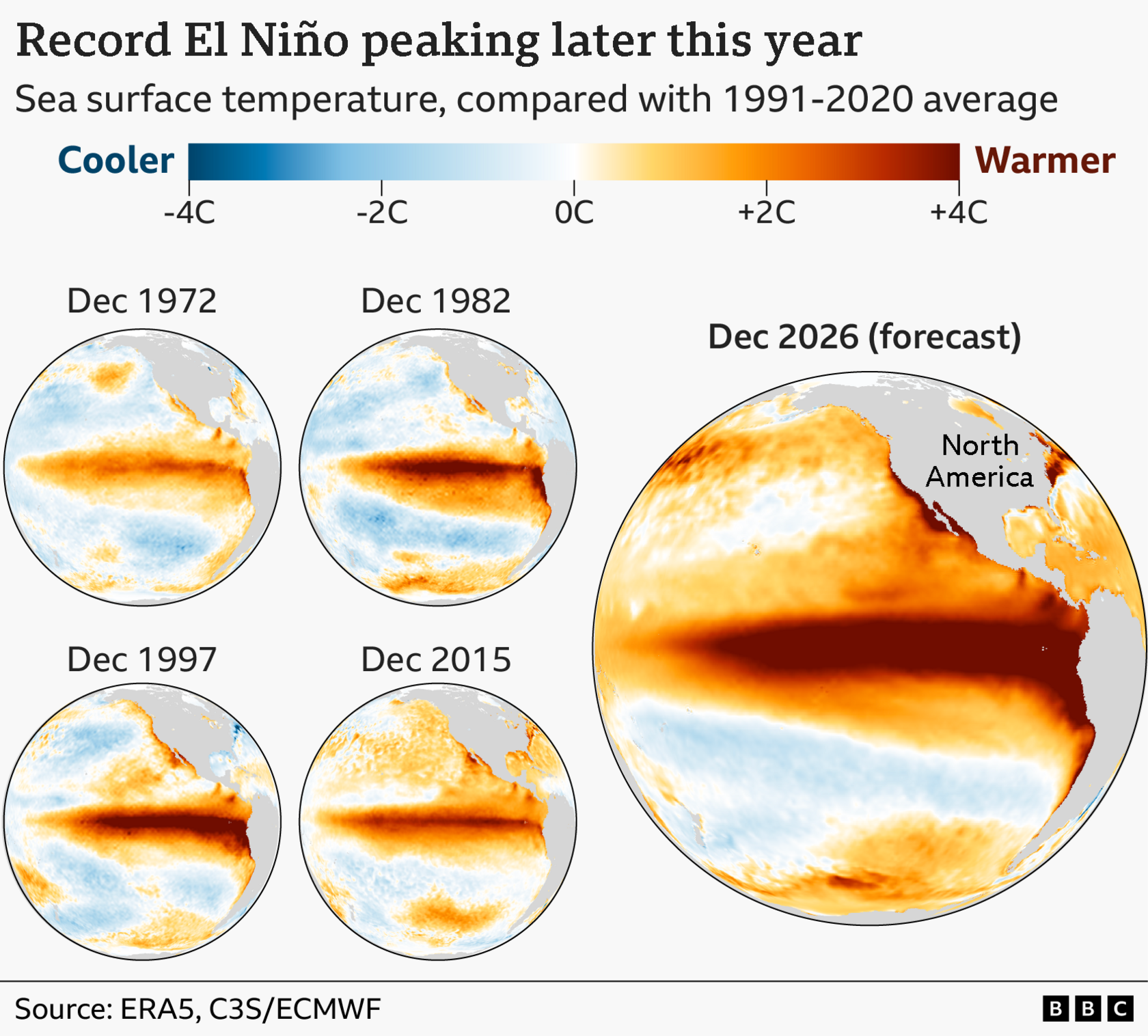
The 2026 El Niño has pushed ocean temperatures into unprecedented territory, scientists say. The Australian Bureau of Meteorology reports weekly average sea‑surface temperatures in the central Pacific now higher than any recorded during the 2015‑16 event, the strongest on record for that period. This surge in heat is unfolding in a world already warming due to human‑induced climate change, amplifying the effects of the natural cycle.
Dr Zeke Hausfather from Berkeley Earth explains that the new Relative Ocean El Niño Index (RONI) now places 2026 above all previous El Niño events, underscoring the unusually intense warming. He calls the episode "unprecedented in the historical record."
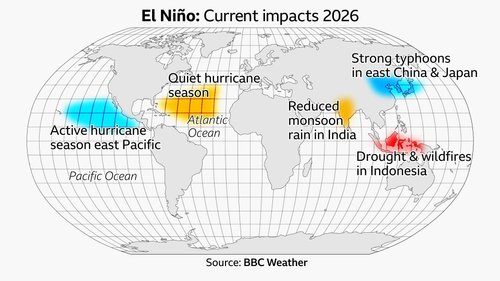
With a peak forecasted for December, climate services predict that 2026 will be among the hottest years on record, and such heat could persist into 2027. Droughts are already reported in Southeast Asia and East Africa, while the Pacific faces heightened tropical cyclone activity, echoing patterns seen in the 1997‑98 and 2015‑16 super El Niño events.
The World Meteorological Organisation states there is no conclusive evidence that climate change strengthens El Niño events, but it highlights that further research is essential. In the meantime, the combined heat from the ocean and global warming is expected to fuel severe weather worldwide.
PulseWire will track real‑time updates on the global map, overlaying crowdsourced observations of floods, wildfires and storm damage to keep communities informed and help emergency responders coordinate. Stay tuned for live data and expert analysis as the 2026 El Niño continues to shape our planet’s weather.