In brief
New York City Council is poised to outlaw Central Park horse‑drawn carriages by June 2028, a move supported by the mayor and animal‑rights groups. At a tipping point after the death of a teenage tourist and a horse, drivers say they will lose their livelihood, earning up to $70,000 a year. City officials promise a transition plan with job placement and compensation, but unions warn it offers no guarantees. The debate pits tradition and tourism against safety and animal welfare concerns in the city’s most famous park.
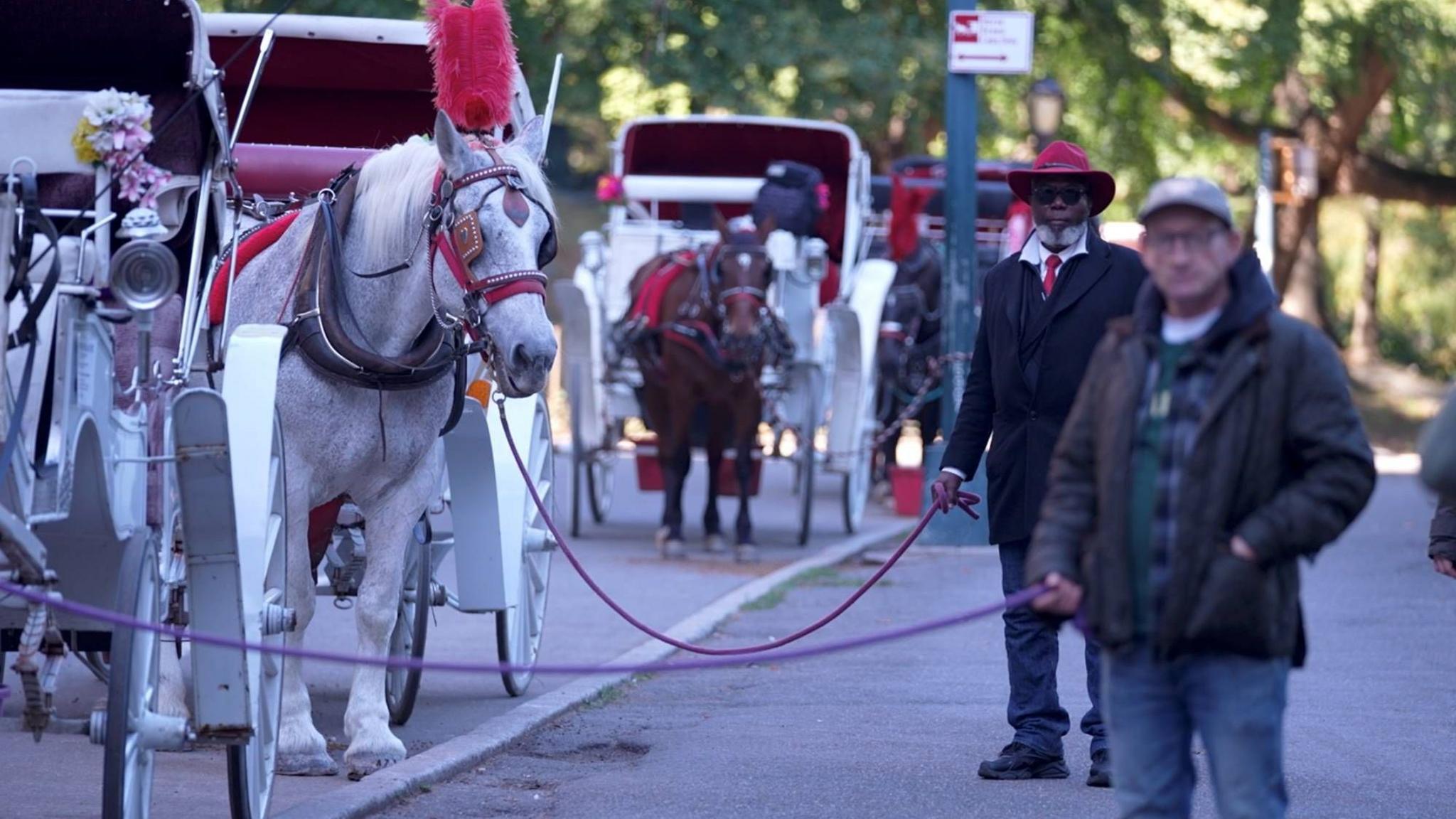
New York City Council is set to ban Central Park horse‑drawn carriages starting in June 2028, a move championed by Mayor Zohran Mamdani and animal‑rights groups.
The ban follows the tragic death of a 18‑year‑old tourist who fell from a carriage when the horse bolt, and the death of a horse that ate toxic plants in the park.
About 200 carriage drivers, most of whom have been in the industry for years, fear losing their jobs. Driver Alexus Lawson said, “I’m going to have to give my horse a new life, but how do I earn a living?”
Drivers say they have earned between $60,000 and $70,000 a year and that the city’s promised transition plan offers no guarantees of compensation or new employment opportunities.
Animal advocates argue the practice is cruel, citing the death of 40 horse workers since 1982 in Central Park and the risk of accidents. The Central Park Conservancy has recorded seven horse‑related incidents over the past year alone.
Opponents claim that the carriages are heavily regulated, with horses allowed to work up to nine hours a day, and that the horse drivers are committed to the animals’ well‑being. Driver Medet Fidan stressed, “I know my horse better than anyone; accusing me of abuse is unfounded.”
The debate highlights a clash between preserving a historic New York tradition and addressing safety and animal welfare concerns that have intensified after recent accidents.