In brief
Israel’s May‑day style election arrives months after the 7 October attacks and fresh Gaza fighting, turning it into a pivotal vote for the region’s future. The two biggest candidates are veteran Prime Minister Benjamin Netanyahu and ex‑defence chief Gadi Eisenkot, who touts accountability and a new security stance. A coalition of right‑wing, center‑right and left‑wing forces will need to form a 61‑seat majority, while Arab parties could become kingmakers. Key issues include security, conscription, judicial reform and the cost of living, all of which will shape both Israeli policy and Palestinian prospects.
Israel’s general election on Tuesday 27 October comes on the heels of the 7 October 2023 Hamas attacks and the ensuing Gaza war, making it one of the most consequential polls in recent memory.
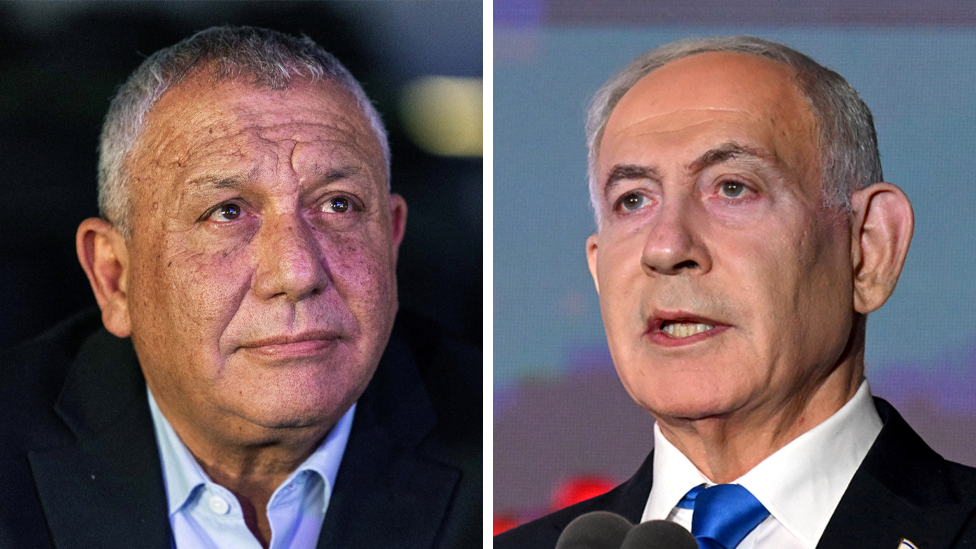
The two front‑runners are Netanyahu, who has steered the country through a string of security crises, and Eisenkot, a former defense chief who exits with a promise of accountability and a “new security posture.” His Yashar party, founded last year, appeals to voters tired of the current coalition’s perceived failures.
Behind them are other key figures: former PM Naftali Bennett, hardliners like Avigdor Lieberman and Yair Golan. The coalition calculus will determine whether the right‑wing coalition can stay together, or whether a new partner—perhaps even an Arab bloc—will be necessary.
Israel’s parliamentary system is built on proportional representation: 120 seats in the Knesset, so a majority needs 61. In the past five elections since 2019, no party has secured that threshold alone, driving months‑long negotiations for a governing coalition.
The key policy battlegrounds are security, conscription policy, judicial reform and the cost of living. The incumbents frame themselves as “Mr Security,” while challengers accuse them of failing to protect civilians on 7 October. All parties have rejected a two‑state solution, signalling a challenging future for Palestinian aspirations.
Global attention latches onto the election because the outcome will shape Israel’s military posture, settlement policy in the West Bank and the trajectory of the Gaza ceasefire. After the votes, exit polls at 22:00 local time (20:00 GMT) will offer a snapshot, but official results will be delayed until 4 November, with the presidential appointment process potentially stretching into the new year.