In brief
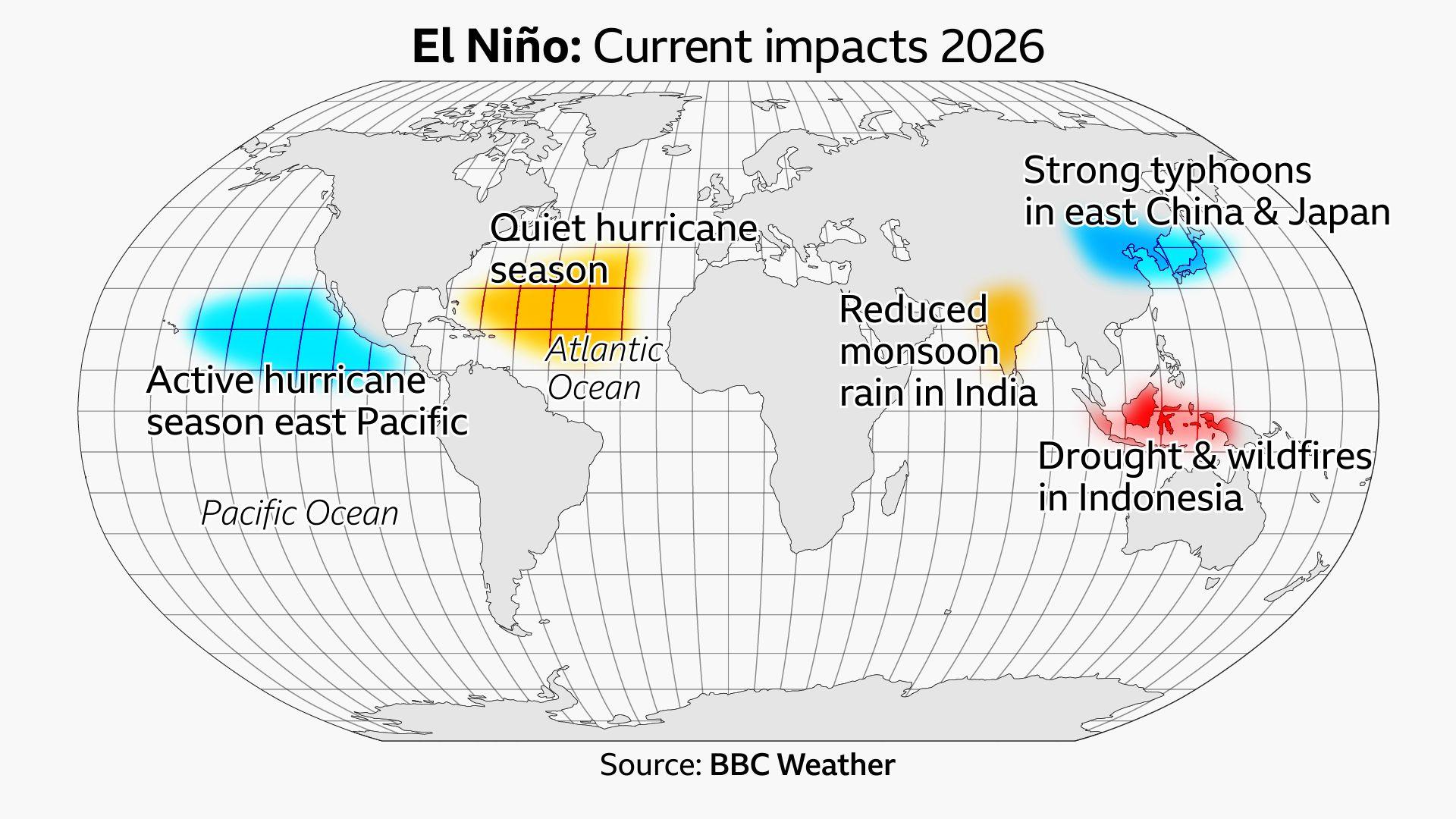
The east‑pacific El Niño has already amplified the world’s weather extremes. Indonesian wildfire season is thrashing the archipelago, pouring heat and haze over millions. The eastern Pacific has seen 22 named storms and 12 hurricanes, far above the 2023 average, while the Atlantic remains oddly quiet. In Asia, India’s monsoon is 13 % below average, sowing stress for crops, and typhoons have slammed east‑China and Japan with flooding and landslides. Meteorologists warn the climate anomaly will persist into 2027, compounding risk worldwide.
El Niño is amplifying extreme weather everywhere.
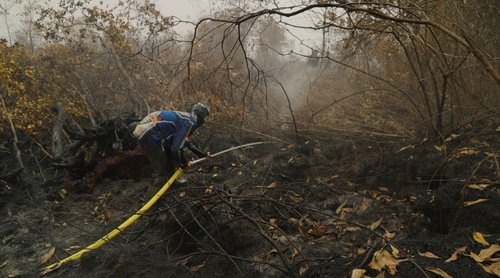
Indonesia battles worst wildfire season since 2015
Since January, roughly 895,657 hectares – about six times Greater London – have burned across Indonesia. The fires have closed schools, spiked hospital traffic and sent toxic haze over 175,000 residents. Toddlers make up more than 40,000 cases of coughs and bronchitis linked to the smog.
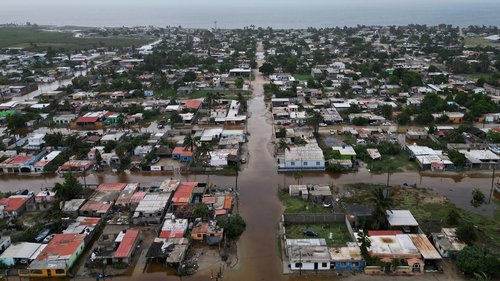
East Pacific sees record hurricane activity
The first nine months delivered 22 named storms, 12 hurricanes and 10 major hurricanes, exceeding an entire historical average. Hard‑to‑predict rapid intensification set storms like Hurricane Polo to 180 mph, a result of warmer sea‑surface temperatures stirred by El Niño.
Atlantic hurricane season remains eerily quiet
Strong north‑Atlantic wind shear linked to El Niño has kept storms in check – only one hurricane, Isaias, made landfall in the U.S. mainland this year.
Reduced monsoon rain threatens Indian agriculture
India’s monsoon is 13 % below average, with eastern and northeastern regions 26 % drier and southern areas 24 % below average. The fragmented rainfall pattern, alternating dry spells and heavy downpours, strains crop yields and water supplies.
Strong typhoons target east China and Japan
With ten tropical cyclones forming in the western Pacific, the hottest season since 1966, storms like Maysak and Dujuan have battered east China and Japan with floods and landslides. Warming seas give typhoons more fuel, potentially escalating damage further south.
Experts warn the El Niño phenomenon is projected to strengthen until 2027, tightening its grip on global weather systems and elevating future risks.