In brief
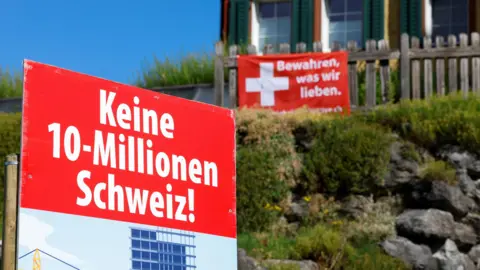
In a historic referendum, Swiss voters turned down a 10‑million population cap, rejecting a measure tied to the Swiss People’s Party’s anti‑immigration agenda. The threat of a cap would have jeopardised Switzerland’s free‑movement agreement with the EU and may have tightened access to the labour market and European single market. The “no” vote signals a desire for stability and openness, with the majority of cities and tourist regions turning decisively against the proposal. Despite growing concerns over housing and healthcare, the future of Swiss immigration policy remains uncertain as the debate rages on.
In a nationwide referendum held on 13 June, Swiss voters rejected a proposal to limit the country’s population to 10 million – a plan backed by the right‑wing Swiss People’s Party (SVP). The vote ended with 55% of eligible citizens choosing “no”, while 45% opted for a cap, with an overall turnout of roughly 60%.
The motion, which had attracted criticism from the federal government, Swiss businesses and other political parties for potentially breaking the free‑movement agreement with the European Union, was seen by many as an attempt to curb immigration. Justice Minister Beat Jans welcomed the result, calling it “a sign of stability, openness and reliability” and emphasizing that Switzerland remains committed to close ties with Europe.
The Swiss population rose from 7.3 million in 2002 to 9.1 million today, with 27% of residents being non‑citizens. The SVP argued that a cap would ease pressure on transport, housing and the environment, but this stance failed to persuade the electorate, who fear it would trigger labour shortages and restrict access to the EU single market.
"The Swiss people have spoken. The EU and Switzerland share deep ties and a strong partnership," welcomed European Commission President Ursula von der Leyen after the results were announced. Nevertheless, concerns over rising housing costs, public transport capacity and health‑care expenditures persist.
The referendum highlighted stark differences between urban and rural areas. In major cities such as Bern, 84% voted against the cap, while tourism regions with a heavy reliance on foreign workers also rejected the proposal.
"Un"checked immigration is leading to Switzerland no longer being Switzerland," said Nils Fiechter, a 29‑year‑old SVP representative. In contrast, social‑democrat councillor Helin Genis argued that blaming migrants for housing and health‑care issues does not solve problems.
Economists warn that dismantling the cap would reinforce stability. Economy Suisse chief economist Rudolf Minsch cautioned that a positive vote could jeopardise relations with the EU and affect the continent’s single market access. Similarly, Labour ministers fear shortages in key sectors such as hospitality, healthcare and education.

The rejection of the plan underlines a broader messaging trend in Swiss politics, with voters growing weary of a singular anti‑immigration narrative. The nation’s direct‑democracy system continues to allow citizens to shape policy directly, but the debate remains vigorous as Switzerland navigates its position between national sovereignty and European integration.