In brief
Cuba has experienced its second national blackout within a week, leaving over 10 million residents without power. The collapse of the national electrical grid has prompted the government to prioritize restoring power to critical services like hospitals. This crisis is exacerbated by a fuel blockade and long-standing infrastructural issues, leading to rare public dissent and protests across the island. A coalition of international aid has also mobilized to assist Cuba's struggling energy system.
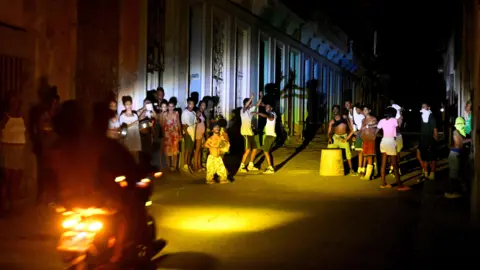
More than 10 million people have had power cut to their homes and businesses across Cuba after the country's national electrical grid collapsed for the second time in a week.
Cuba's energy ministry announced that a total disconnection of the National Electrical System has occurred through social media channels. The country's grid operator, UNE, stated that it is gradually restoring electricity while prioritizing vital centers such as hospitals and water supply systems. By Sunday afternoon, power had been restored to approximately half of Havana, according to local electricity companies.
This latest blackout marks the third significant power outage in the month, as Cuba grapples with the consequences of a U.S. fuel blockade that has hindered foreign oil imports crucial for maintaining power stations.
The infrastructure challenges, coupled with chronic fuel shortages, have amplified public frustrations. Rare public dissent has emerged, particularly in Havana, where residents were heard banging pots and pans in protest. Moreover, protests in the town of Morón turned violent as demonstrators set fire to the Communist Party headquarters.
A coalition of socialist international groups arrived in Havana over the weekend to express solidarity with the Cuban government, bringing aid, solar panels, food kits, and medical supplies. However, unrest continues to grow as locals express despair over their living conditions, with some residents highlighting a pervasive economic and social crisis that has worsened over decades.
In the midst of this turmoil, discussions between the American and Cuban governments have reportedly taken place, focused on alleviating the ongoing crisis. Cuban President Miguel Díaz-Canel emphasized the importance of defending the nation against potential U.S. military aggression as he assured citizens of a "preparation plan for readiness." Meanwhile, the U.S. administration continues to indicate a push for regime change within Cuba, adding to the concerns surrounding future stability on the island.