In brief
The flood-ravaged communities of Sri Lanka are now grappling with the double blow of rising fuel prices exacerbated by the ongoing conflict in Iran. Local families like Indrani and Ravichandran are returning to damaged homes, struggling to recover from the unprecedented devastation of Cyclone Ditwah while facing economic turmoil and impending droughts.
After floods devastated their village, Indrani Ravichandran and her family are back in their house, living in the only section that is still standing. They are among many victims of Cyclone Ditwah that ravaged the country last November, which caused catastrophic floods and landslides sweeping away homes and settlements.
Over just three days, parts of Sri Lanka's central uplands saw up to 500mm of rain, leading to 643 fatalities and many missing persons. 'It was pitch dark and the rain was lashing down...', Indrani recalled how they rushed to escape the floods.
The impacts of the Iran war, exacerbated by soaring fuel prices and an impending drought, have not come at a worse time for Sri Lanka's recovery. The country, which is already struggling with an economic crisis from 2022, is suffering a 'triple shock' as noted by Dr. Ganeshan Wignaraja.
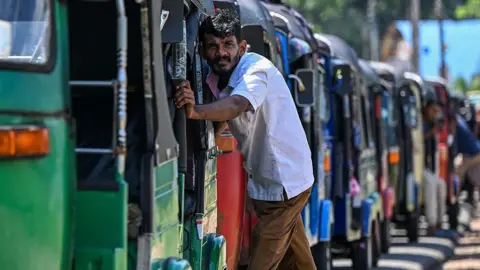
Fuel rationing, increased electricity costs, and panic buying are reminiscent of 2022's disastrous financial crunch when the country ran out of foreign currency and defaulted on its debt. This has raised concerns of a possible new economic crisis.
Amid these compounding adversities, international aid has been slower to respond compared to previous major disasters. While India swiftly provided humanitarian assistance, the support from traditional allies like China has been minimal.
The Sri Lankan government has promised aid for victims but acknowledges delays in reconstructing homes and businesses. Despite the $750m received for reconstruction, it falls short of the full needs for recovery and rebuilding efforts.
As the cash-strapped government navigates the crises, the fallout from the Iran war could further hinder recovery efforts for families like Indrani's, highlighting the urgent need for both domestic and international assistance.