Ceasefire Talks in the Middle East: A Complex Puzzle
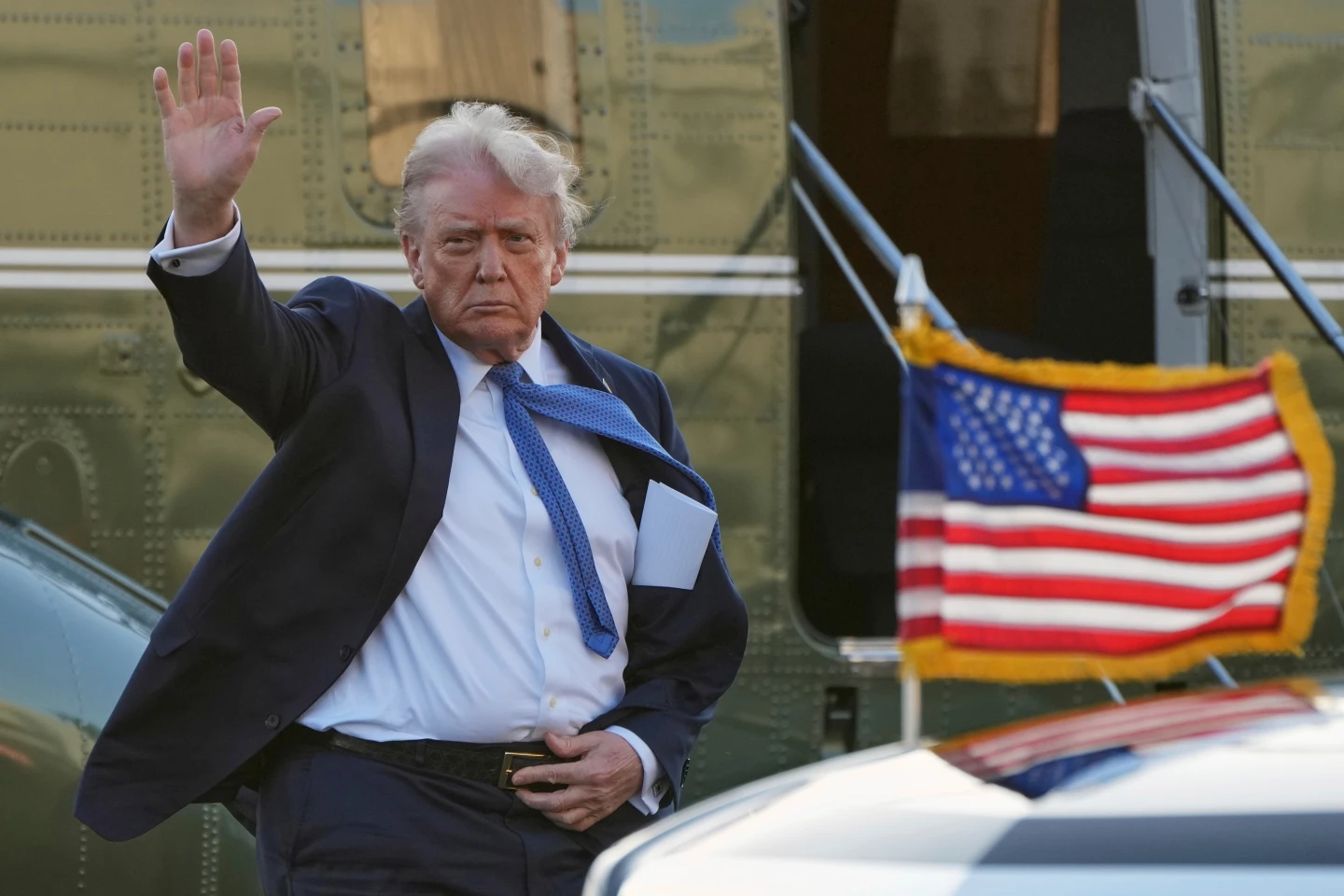
The best hope for the ceasefire talks in Pakistan is that both the United States and Iran have strong reasons to call a halt to the war. However, the biggest obstacle to their success is the total absence of trust, no discernible common ground, and Israel's escalated military actions. US President Donald Trump is already speaking about the war in the past tense, declaring victory and seeking an exit strategy amid significant domestic and international pressures.
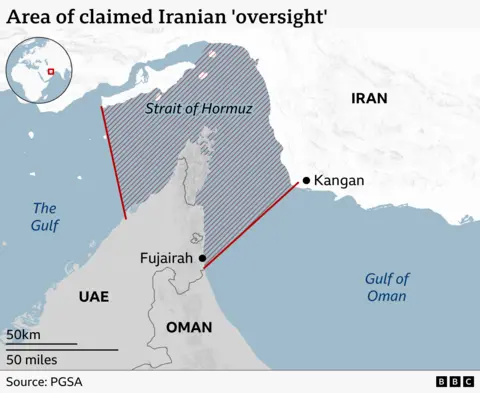
Iran, despite suffering heavy damage from strikes, is determined to negotiate a ceasefire while safeguarding its position. Both sides approach negotiations with starkly different agendas, complicating the prospect of peace. Iran's regime aims to consolidate power while the US pushes for disarmament. The Strait of Hormuz plays a pivotal role in these talks, with Iran’s control over this vital shipping route creating further tensions.
No victory parade
Initially, the US anticipated a swift victory similar to its past military successes. However, the complexities of the current conflict, coupled with unforeseen resilience from Iran, have led to a reevaluation of strategies. As negotiations continue, any semblance of cooperation will need to address longstanding grievances and the catastrophic impacts of ongoing hostilities.
As Israel continues its aggressive stance against perceived threats from Hezbollah and Iran, the path forward remains fraught with challenges. The outcomes of these negotiations will not only dictate the future of US-Iran relations but will also reshape the geopolitical landscape of the Middle East for years to come.