On a frigid winter day in Segovia, Spain, tourists from diverse backgrounds gather at the iconic Roman aqueduct, capturing memories and admiring the striking architecture that defines the city. Tour guide Elena Mirón expresses newfound optimism, recalling fears of a long-term downturn during the pandemic. Instead, 2024 has brought a record 94 million visitors to Spain, second only to France, solidifying the country’s position as a premier tourist destination.
Spain's economy has flourished, with a notable GDP growth of 3.2% last year, outperforming Germany, France, Italy, and the UK, which struggled with stagnant or negative growth. Recognizing this success, Carlos Cuerpo, Spain's Business Minister, attributes their balanced economic model—incorporating tourism, financial services, and technology—as the key to sustainable growth. Moreover, post-pandemic recovery funds from the EU worth €163bn are set to further modernize Spain's economy through investments in infrastructure and sustainable practices.
Despite significant challenges, including high inflation initially driven by energy costs and supply chain issues, the government's initiatives to subsidize energy and adapt wages have softened the impact on consumers. The so-called "Iberian exception," which capped gas prices for electricity generation, has also alleviated energy burdens. Cuerpo emphasizes Spain's growing resilience against economic shocks, highlighting the advances in green energy generation as both a necessity and an investment opportunity.
Spain's employment landscape is also seeing improvement, with the national unemployment rate dipping to 10.6%—the lowest since 2008—and employment reaching historically high levels. This progress is largely credited to labor reforms that favor permanent contracts over temporary ones while integrating immigrants into the workforce, which is vital for Spain's aging population.
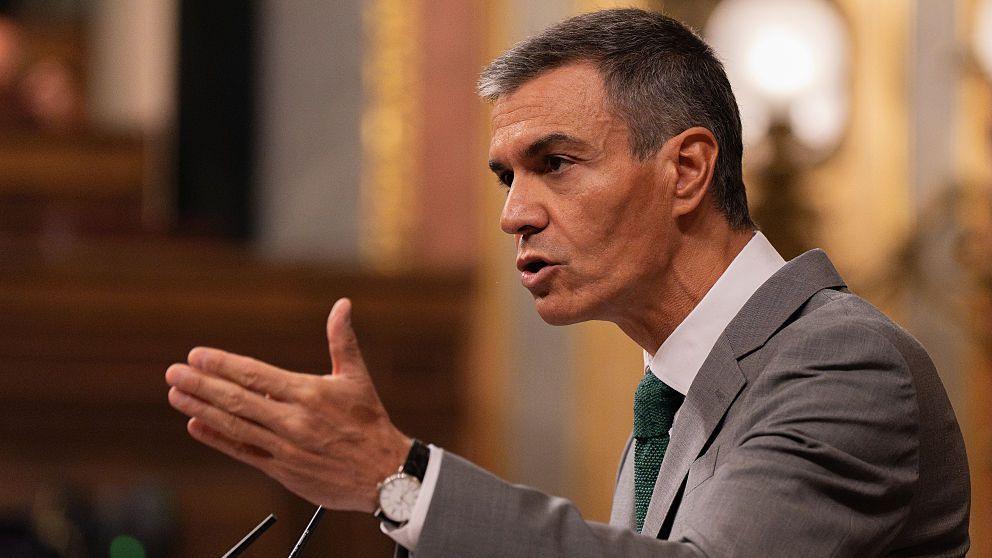
However, the bright outlook does not come without concerns. The country's heavy reliance on tourism has sparked local discontent, and external pressures such as high public debt raised anxieties about potential instability. Moreover, the escalating housing crisis affects millions, and with political tensions complicating governance, Spain faces challenges in sustaining its economic momentum.
As Spain continues to navigate these complexities, it solidifies its role as a critical engine for growth within the European Union, but careful management of its economic structure and societal challenges will be crucial for its future stability.