In brief
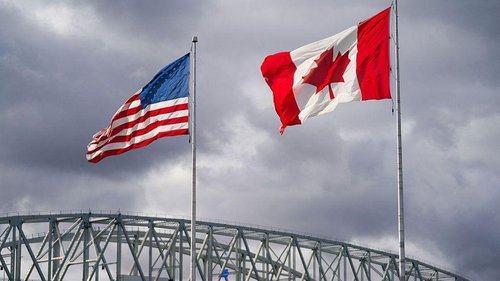
On August 25, 2026 Canada warned the United States that it would impose counter‑tariffs of up to 50% on a wide range of American goods. The move comes after President Donald Trump levied similar tariffs on Canadian imports. Roughly C$28bn worth of US products—including steel, aluminum, furniture, specialty foods and apparel—will face the new duties, which are set to take effect on September 8. Finance Minister François‑Philippe Champagne described the retaliatory measures as “proportionate” and “strategic” and pledged C$7.5bn to support Canadian firms and workers affected by US tariffs. While Canadian officials claim the tariffs target products that can be sourced elsewhere to soften domestic harm, the escalation threatens to disrupt long‑standing supply chains and could raise consumer prices. The two countries’ trade talks collapsed earlier this week, leading to heightened rhetoric and calls from both sides to keep the U.S.–Mexico–Canada Agreement (USMCA) intact.
Canadian officials have declared that the United States will face counter‑tariffs of up to 50 % on a broad spectrum of American products. The announcement follows the Trump administration’s printing of similar tariffs on Canadian goods.
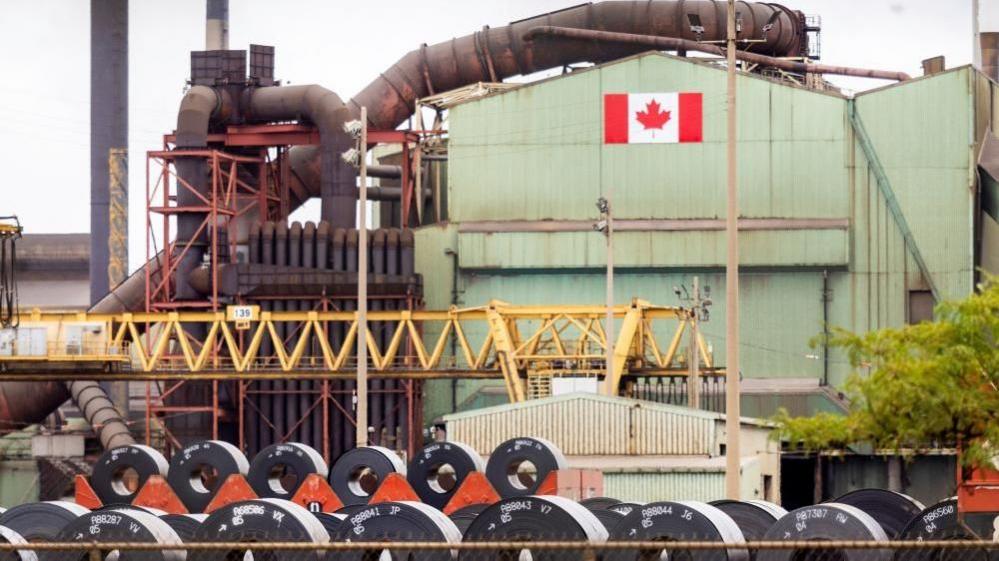
The new duties target nearly C$28 bn (US$20 bn) of U.S. items, ranging from steel and aluminum to furniture, tuna and cotton T‑shirts. They will become effective on 8 September.
Finance Minister François‑Philippe Champagne stated that Canada’s response is both „proportionate“ and „strategic“. He added that the government will allocate an additional C$7.5 bn to help businesses and workers hit by U.S. tariffs.
While the tariffs aim to mirror U.S. attacks, Canada will select goods that can be sourced elsewhere, according to officials, in order to minimise local damage.
These measures threaten to inflate costs along established North‑American supply chains and could push prices higher for consumers. Polls show most Canadians back the government’s firm stance, though some seek clarity on why negotiations collapsed and demand a release of the draft deal text.
The White House warned that the U.S. would continue to offer Canada "the most preferential market access of any country on Earth" in future talks, while Trump’s social-media posts accused Canada of exploiting the U.S. and threatened to raise auto tariffs to 50 % on 1 January.
The escalation tests the viability of the U.S.–Mexico–Canada Agreement (USMCA). Mexico’s President Claudia Sheinbaum has already dispatched her economy secretary to Washington for urgent negotiations following Canada’s backlash.
Below is a summarised list of products subject to the new Canadian tariffs.
- A 50 % tariff on steel and aluminum products that previously faced a 25 % counter‑tariff.
- A 50 % tariff on various goods including natural honey, furniture, clothing and apparel, makeup and perfume.
- A 25 % tariff on appliances (dishwashers, washing machines), dairy products (cheese), fish and seafood, and certain steel and aluminum derivatives.
- A 15 % tariff on selected tools and machinery such as forklifts and air‑conditioning units.
Canadian officials emphasised that these selections were designed to preserve domestic source options for Canadian businesses and consumers.
The trade conflict has sparked a flurry of statements from both governments, with Canadian leaders condemning U.S. threats to "destroy" key sectors such as automotive and steel. Public diplomacy has softened slightly since Monday, as officials hint at the possibility of resumed talks.
With trade ties often described as the "closest" between the two nations, both sides face significant pressure: on the one hand to protect strategic industries, on the other to avoid retaliatory costs that would ripple through supply chains and households.
If the tension rises further, the future of the USMCA may hinge on a careful balancing act. All eyes remain on the mid‑summer deliberations, with markets, manufacturers and consumers poised for the next move.