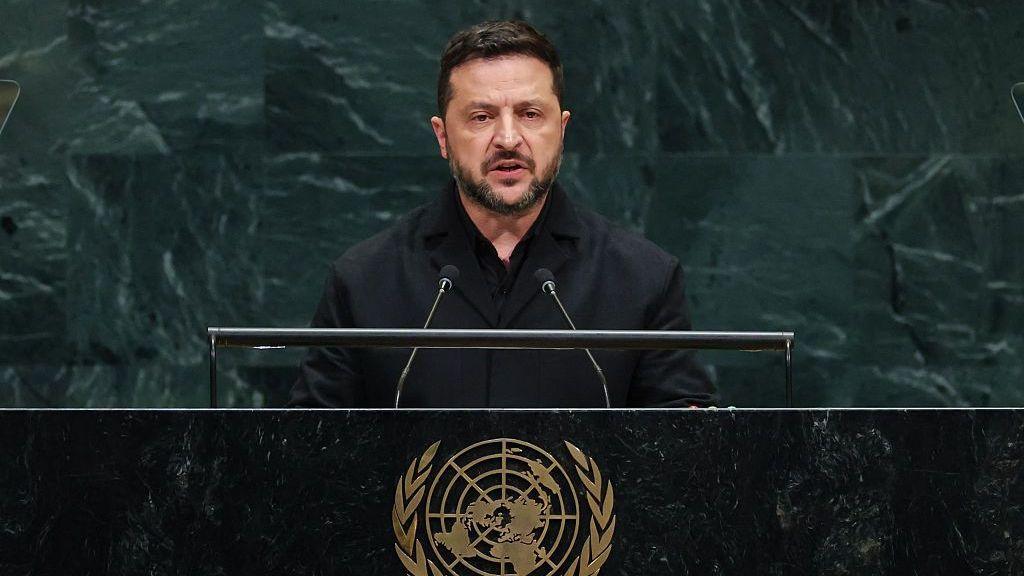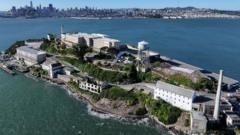
In a move that has sparked much debate, US President Donald Trump has reiterated his desire to reopen Alcatraz, one of America's most infamous prisons. Historically known as "the Rock", this island prison has been closed for over 60 years and now serves as a popular tourist destination, with more than 1.4 million visitors annually. Trump argues that Alcatraz could once again be utilized to house dangerous criminals, serving as a beacon of law and order. However, experts have voiced skepticism about the practicality of refurbishing such a decrepit facility.
Originally constructed as a fort, Alcatraz was repurposed into a federal penitentiary in 1934, securing the infamous reputation it holds today by housing notorious figures like Al Capone and George "Machine Gun" Kelly. The prison's closure in 1963 was due in part to astonishing operational costs—approximately three times higher than that of other federal facilities—leading Attorney General Robert Kennedy to deem it unsustainable.
Despite its storied past, the question remains: Can Alcatraz be effectively reopened? Trump initially hinted at the possibility in a May 4th post on Truth Social, highlighting concerns over violent repeat offenders in America. His statements have rekindled discussions surrounding the site, but questions linger about the prison's current state and necessary renovations. Experts, such as former Bureau of Prisons director Hugh Hurwitz, have reacted with disbelief, emphasizing the significant structural challenges the facility presents, including crumbling infrastructure, outdated security measures, and logistical issues related to water and sewage disposal.
The National Park Service currently manages Alcatraz as a historic site, and many argue that its cultural value far outweighs any potential use as a prison. Jolene Babyak, an Alcatraz historian, pointed out that the facility was once a far more costly option for imprisonment and emphasized how impractical it would be to reestablish basic sanitary functions, let alone secure the premises adequately.
In light of these continuing discussions and Trump's declaration that Alcatraz "represents something very strong," experts and historians remain divided. While the dream of reopening the notorious prison resonates with a segment of the public, many assert that the reality of returning the landmark to its penitentiary roots is not only unrealistic—it may well be a historic fantasy.