In brief
Donald Trump recently announced that if Republicans win the upcoming midterm elections, the American people would receive a $5,000 cash gift. The offer, a high‑stakes political move, would add about $1.3 trillion to federal spending. Critics call the pledge an empty promise, while legal experts debate whether paying U.S. citizens from public funds is permissible. The plan’s lack of details on financing or distribution mechanisms fuels uncertainty. As the midterm countdown begins, voters and lawmakers weigh the potential impact on the national deficit and constitutional limits.
Former President Donald Trump has shaken the political landscape yet again with a bold promise: every American would receive a $5,000 check if the Republican Party secures the majority in the upcoming midterm elections.
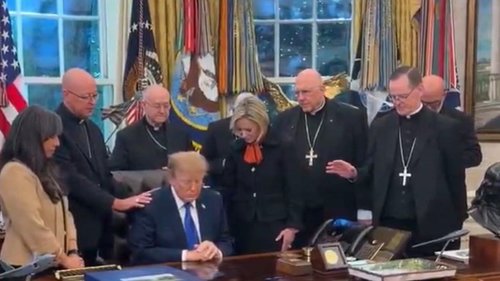
The offer, announced from the White House, includes no explanation of how the money would be funded or distributed. Analysts estimate that paying 330 million voters would push the cost to about $1.3 trillion, an amount that would inevitably impact the federal deficit and taxpayers.
Critics—including Democrats and independent experts—label the move an empty promise. They point to the lack of a concrete financing plan and the extraordinary fiscal scale of the pledge.
Legal scholars question whether such a direct payment from the federal government is permissible under U.S. law. The key concerns revolve around the Spending Clause, the Constitution’s limits on federal spending, and potential conflicts with existing tax and welfare statutes.
The pledge also raises practical questions about eligibility: would only citizens who are voting 18 and older be covered? How would the Treasury track and disburse millions of individual checks? And would any part of the money be repaid if the GOP failed to win?
As the midterm campaign kicks into high gear, voters, officials, and legal commentators will be forced to confront the feasibility of the pledge. Whether the plan survives legal scrutiny or simply flares as a political tactic remains to be seen—yet its potential economic ripple effects are undeniable.