Trump Promises Every Adult $5,000 if Republicans Win Midterms
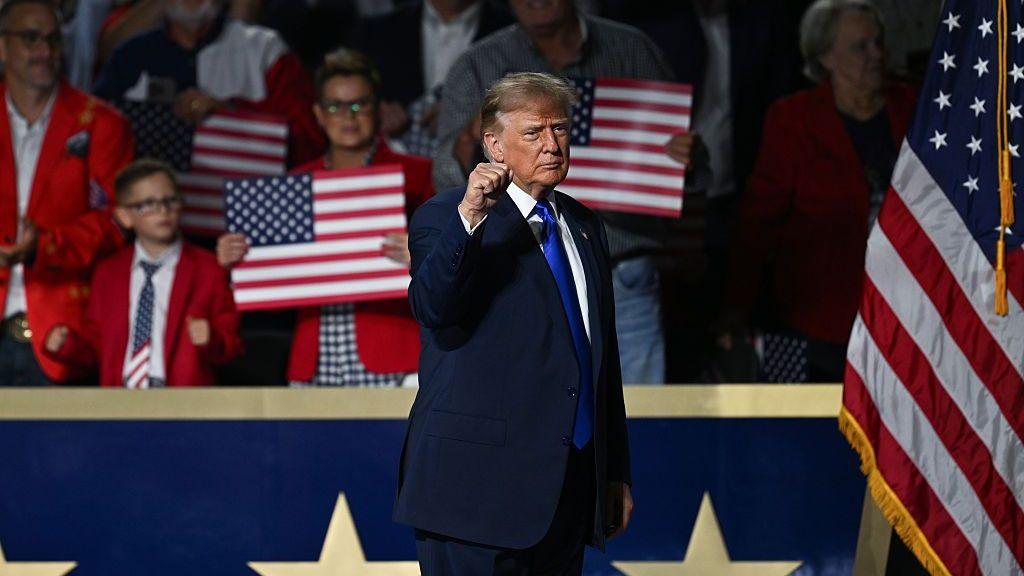
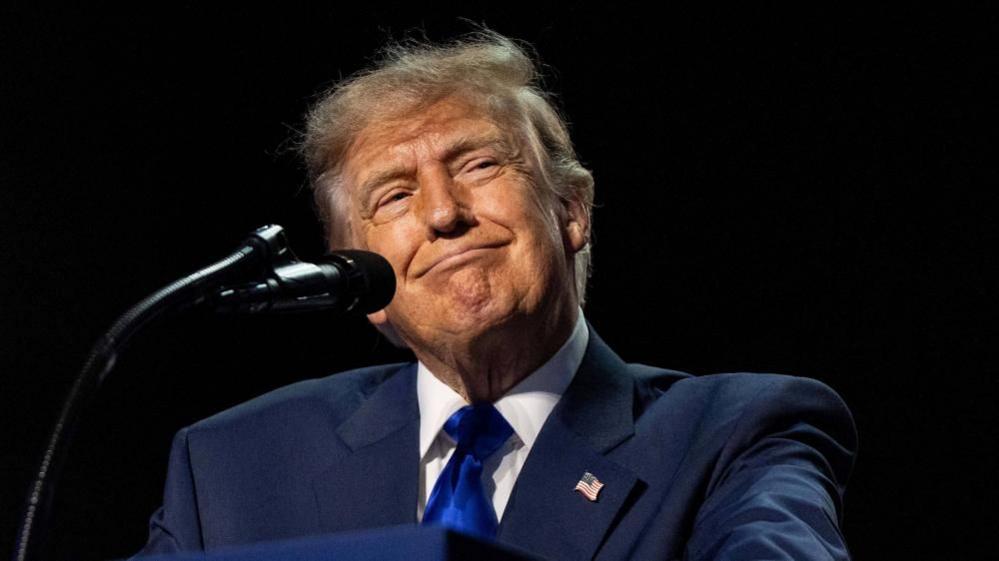
During the Texas Republican National Convention, President Donald Trump declared that every adult American would receive $5,000—roughly £3,700—if the GOP won the upcoming 2026 mid‑term elections. The proposal was met with enthusiastic cheers from party loyalists, while Democrats dismissed it as a vague and illegal campaign promise.
The president offered no details on how such a massive payout would be financed, leaving scientists and economists to speculate that it might come from tariff revenue or other unseen sources. Vice‑President Robert Vance hinted that the money could be funded by tariff proceeds, but existing tariff revenue falls far short of the $1.3 trillion cost implied by a $5,000 payment to 270 million adult Americans.
Legality Under Scrutiny
Federal law prohibits payments designed to influence voting, raising the question of whether Trump’s pledge violates election‑finance regulations. Legal scholars are divided: some view it as a standard campaign promise to cut taxes if the GOP gains control—something that is constitutionally permissible—while others see it as a coercive, transactional offer that could be deemed a bribe.
Dr. Joan Mahoney of the University of Southampton argues it is akin to a normal pledge, not a direct attempt to buy votes, given it would be distributed to all adults regardless of their ballot choice. Conversely, Leslie Rapp from Chatham House believes the promise is unusually explicit and might not survive legal scrutiny.
Economic Feasibility
Experts question whether the administration can afford such a commitment. The White House would need to secure a congressional override of the federal budget to allot $1.3 trillion for payments a president cannot normally direct via executive order. Economist Erica York notes that real‑world tariff revenue has been less than $475 bn and that even after refunds post‑court ruling, the sum is insufficient.
While official statements maintain that “the money would have to be spent in the US,” critics argue that monitoring or oversight would be difficult in such a massive distribution effort.
Historical Context
Trump has previously suggested $2,000 payouts tied to tariff revenue, but these never materialised. In January 2021, former President Joe Biden faced accusations of buying votes by promising $2,000 Covid stimulus checks for specific Senate races. Similar controversies arose when billionaire Elon Musk offered cash incentives to voters in seven swing states during the 2024 election cycle.
The promise may serve as a short‑term political tactic to rally Republican voters ahead of elections, though doubts about its legality and practicality suggest it is unlikely to be realized.
The election campaign continues to intensify as both sides prepare to confront the implications of the pledge, with upcoming congressional votes potentially determining its fate.