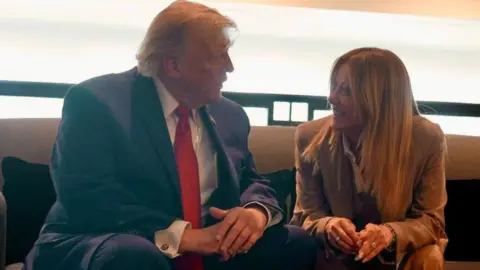
Former President Trump, in a social media post, described Tan as "highly conflicted," referring to his investments in Chinese firms amid ongoing tension between the U.S. and China over technology and security. Tan, who was appointed in March to revitalize Intel, has overseen the firm's strategy to align with U.S. interests, yet he faces backlash from political leaders, including Republican Senator Tom Cotton, who has raised concerns regarding the executive’s capacity to safeguard American interests due to his financial associations.
Intel, which has received billions in government support to enhance domestic chip manufacturing, defended Tan, emphasizing its commitment to U.S. national security. However, share prices dipped over 3% following Trump's remarks, reflecting market instability tied to corporate governance anxiety.
Tan, a venture capitalist with extensive experience in the semiconductor industry, has faced scrutiny for previous investments in companies with links to the Chinese military. Yet, experts suggest that Trump’s demand may also relate to broader industry tensions regarding Intel's market position and partnerships, hinting at a possible negotiation misalignment with the administration.
While industry insiders acknowledge a fragmented semiconductor sector, calls for Tan's resignation may divert focus from vital developments needed to bolster U.S. chip production, crucial for national security and technological leadership. As discussions unfold, the potential ramifications on Intel’s strategies and stability remain a key concern for the industry.
Intel has yet to clarify how it plans to address these criticisms as its leadership continues to navigate the delicate balance between business operations, national security considerations, and diplomatic relations.
Intel's future strategies concerning domestic chip manufacturing remain pivotal, as pressures from both political and market landscapes intensify.
Trump's public criticism highlights an increasingly aggressive stance on corporate accountability in the tech industry amid rising geopolitical tensions with China, suggesting that future interactions between government officials and business leaders may continue to be contentious.
Intel, which has received billions in government support to enhance domestic chip manufacturing, defended Tan, emphasizing its commitment to U.S. national security. However, share prices dipped over 3% following Trump's remarks, reflecting market instability tied to corporate governance anxiety.
Tan, a venture capitalist with extensive experience in the semiconductor industry, has faced scrutiny for previous investments in companies with links to the Chinese military. Yet, experts suggest that Trump’s demand may also relate to broader industry tensions regarding Intel's market position and partnerships, hinting at a possible negotiation misalignment with the administration.
While industry insiders acknowledge a fragmented semiconductor sector, calls for Tan's resignation may divert focus from vital developments needed to bolster U.S. chip production, crucial for national security and technological leadership. As discussions unfold, the potential ramifications on Intel’s strategies and stability remain a key concern for the industry.
Intel has yet to clarify how it plans to address these criticisms as its leadership continues to navigate the delicate balance between business operations, national security considerations, and diplomatic relations.
Intel's future strategies concerning domestic chip manufacturing remain pivotal, as pressures from both political and market landscapes intensify.
Trump's public criticism highlights an increasingly aggressive stance on corporate accountability in the tech industry amid rising geopolitical tensions with China, suggesting that future interactions between government officials and business leaders may continue to be contentious.