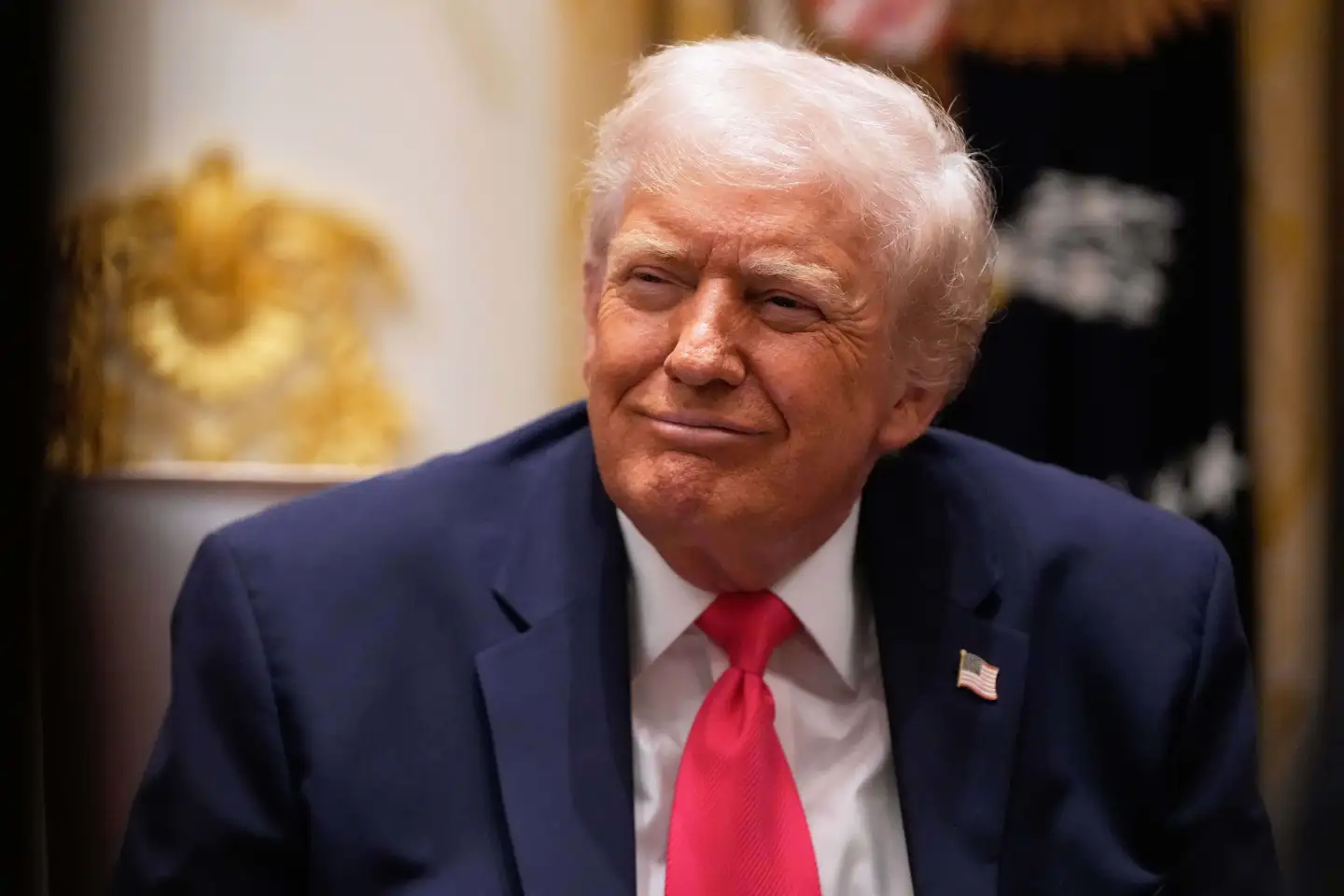
The latest conflict involving Iran and Israel seems to have taken a tentative turn towards peace following U.S. President Donald Trump's announcement of a ceasefire. Late Monday, Trump claimed both nations agreed to halt hostilities in what he termed the "12 Day War," raising hopes for a resolution in a conflict that threatened to entangle the U.S. more deeply after recent drone strikes by the U.S. on Iranian nuclear sites.
Iran's Foreign Minister Abbas Araghchi released a statement indicating that no further retaliation from Iran would follow, provided Israeli aggression ceased by 4 am Tehran time. In response, Israeli officials claimed to have achieved their strategic objectives before agreeing to the ceasefire. However, this fragile peace agreement faced immediate strain as Israel's defense minister later accused Iran of breaking the ceasefire, an allegation Iran swiftly denied.
As the world watched with bated breath following Iran's missile retaliation against a U.S. military base in Qatar, resulting in no casualties, attention shifted back to Trump's demeanor. In a televised response, the President described Iran's actions as a "weaker response" than anticipated, suggesting a possible pathway to dialogue for regional stability.
While there was no reported damage from Iran's retaliatory strikes, Trump declared he was willing to exercise restraint, indicating that the U.S. would continue to weigh its future military actions, while US media speculated over oil prices and geopolitical implications.
Historically, the U.S. has approached similar volatile situations with caution. In early 2020, following the assassination of Iranian General Qasem Soleimani, the Iranians opted for measured responses as well. Current dynamics indicate Iran may similarly aim for proportionality instead of exacerbating hostilities, potentially paving the way for discussions.
Although Trump's past threats against Iran have raised the stakes, the current climate suggests that both Tehran and Jerusalem are prepared to explore diplomatic avenues for peace. Whether this ceasefire holds remains to be seen, but the initial success may prove crucial in tempering a still-risky situation. The repercussions of potential further attacks and American casualties loom over this fragile truce, leaving both leaders in a delicate balancing act of deterrence and diplomacy.
Iran's Foreign Minister Abbas Araghchi released a statement indicating that no further retaliation from Iran would follow, provided Israeli aggression ceased by 4 am Tehran time. In response, Israeli officials claimed to have achieved their strategic objectives before agreeing to the ceasefire. However, this fragile peace agreement faced immediate strain as Israel's defense minister later accused Iran of breaking the ceasefire, an allegation Iran swiftly denied.
As the world watched with bated breath following Iran's missile retaliation against a U.S. military base in Qatar, resulting in no casualties, attention shifted back to Trump's demeanor. In a televised response, the President described Iran's actions as a "weaker response" than anticipated, suggesting a possible pathway to dialogue for regional stability.
While there was no reported damage from Iran's retaliatory strikes, Trump declared he was willing to exercise restraint, indicating that the U.S. would continue to weigh its future military actions, while US media speculated over oil prices and geopolitical implications.
Historically, the U.S. has approached similar volatile situations with caution. In early 2020, following the assassination of Iranian General Qasem Soleimani, the Iranians opted for measured responses as well. Current dynamics indicate Iran may similarly aim for proportionality instead of exacerbating hostilities, potentially paving the way for discussions.
Although Trump's past threats against Iran have raised the stakes, the current climate suggests that both Tehran and Jerusalem are prepared to explore diplomatic avenues for peace. Whether this ceasefire holds remains to be seen, but the initial success may prove crucial in tempering a still-risky situation. The repercussions of potential further attacks and American casualties loom over this fragile truce, leaving both leaders in a delicate balancing act of deterrence and diplomacy.