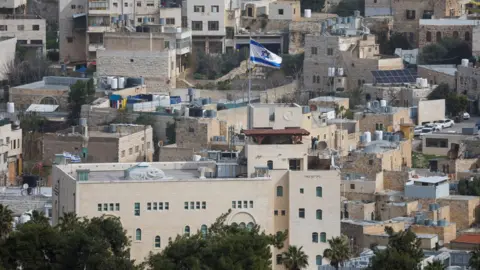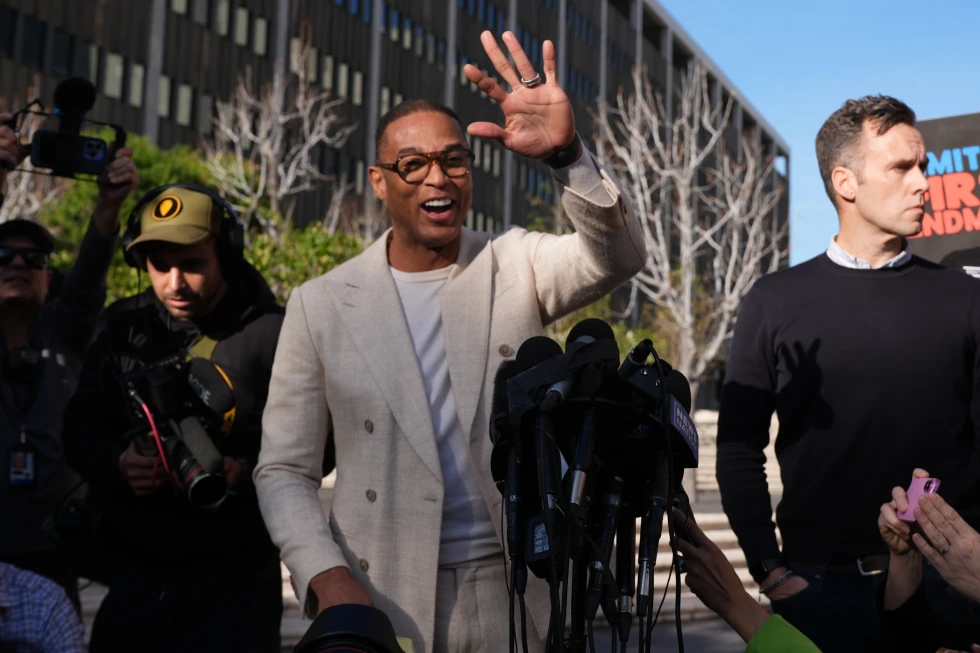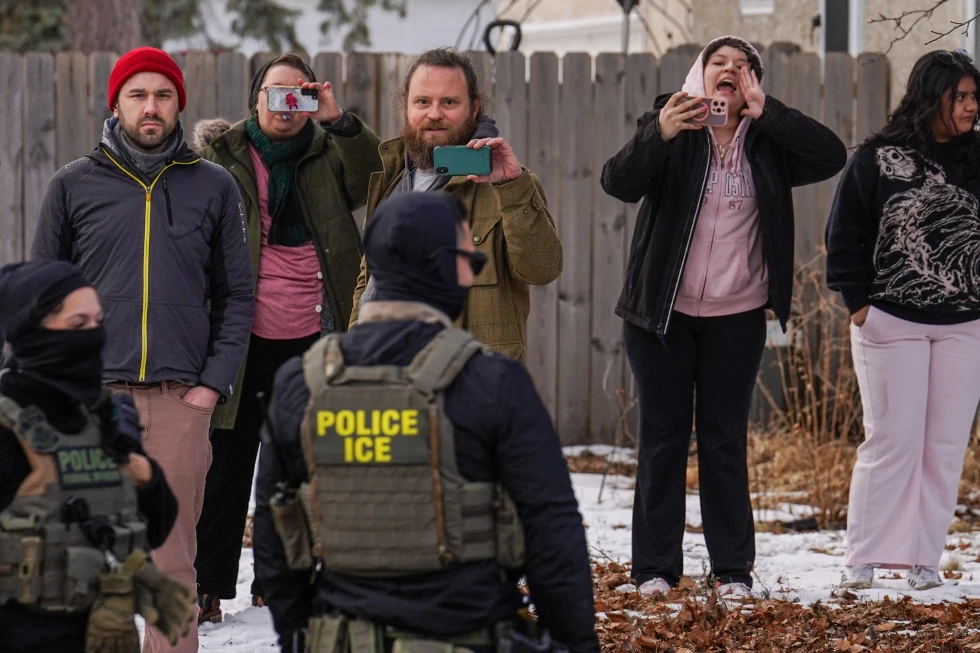
An impending crisis over conscripting ultra-Orthodox Jews into the Israeli army is threatening to undermine Israel's government and split the country.
Public opinion on the issue has shifted dramatically in Israel after two years of war, and this is now perhaps the most explosive political risk facing Prime Minister Benjamin Netanyahu.
Lawmakers are currently considering a draft bill to end the exemption granted to ultra-Orthodox men enrolled in full-time religious study, established when the State of Israel was declared in 1948.
That exemption was ruled illegal by Israel's High Court of Justice almost 20 years ago. Temporary arrangements to continue it were formally ended by the court last year, forcing the government to begin drafting the community.
Some 24,000 draft notices were issued last year, but only around 1,200 ultra-Orthodox - or Haredi - draftees reported for duty, according to military testimony given to lawmakers.
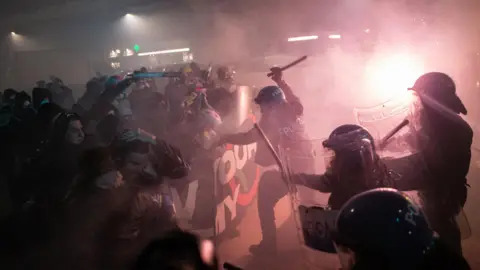
Tensions are erupting onto the streets, with lawmakers debating a new draft bill to force ultra-Orthodox men into military service alongside other Israeli Jews.
Two Haredi politicians were targeted this month by some extreme ultra-Orthodox protesters, who are furious with parliament's discussion of the proposed law.
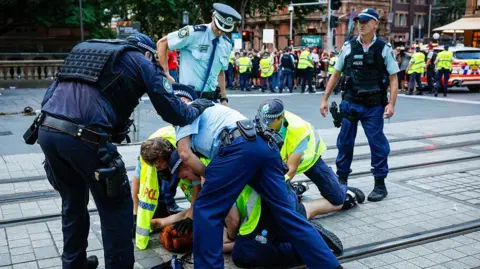
Last week, a special Border Police unit had to rescue Military Police officers who were targeted by a large crowd of Haredi men trying to arrest a suspected draft-evader.
These arrests have sparked the creation of a new messaging system called Black Alert to spread word quickly through ultra-Orthodox communities and summon protesters to prevent such arrests.
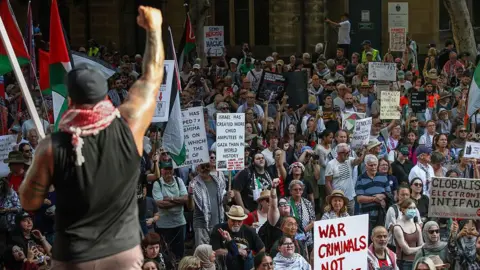
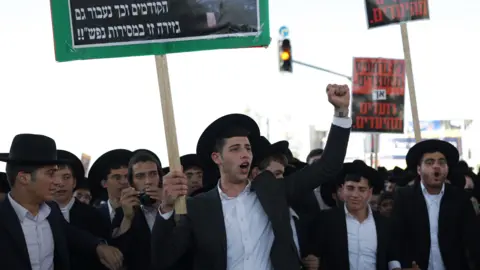
The push to conscript more ultra-Orthodox also triggered a vast protest by tens of thousands of Haredi men in Jerusalem last month - with the issue seen by many as part of a wider conflict around the identity of the Jewish state, and the place of religion within it.
We're a Jewish country, said Shmuel Orbach, one of the protesters. You can't fight against Judaism in a Jewish country. It doesn't work.
Despite attacks from the right, Tel Aviv remains a top contributor of soldiers during the war, and the pressure felt by Israeli conscripts and reservists has highlighted those who do not serve.
Rabbi Tzemach Mazuz, from Kisse Rahamim yeshiva in Bnei Brak, asserts their faith and prayer are vital for Israel's soldiers. We protect the soldiers wherever they are. This is our army, he stated. Yet, he acknowledges the political climate around them is evolving.
Recent opinion polls indicate rising support for ultra-Orthodox conscription, with commands for sanctions against draft evaders gaining traction. It makes me feel there are people who live in this country without giving anything back, stated an off-duty soldier in Tel Aviv.
Netanyahu's coalition relies on conservative ultra-Orthodox parties who demand military exemptions in return for political loyalty, further complicating the bill's advancement.
The draft bill currently navigates a challenging legislative landscape, with varied reactions from coalition partners and the opposition. As Netanyahu courts this crucial issue, Israel teeters on a potentially explosive political divide.