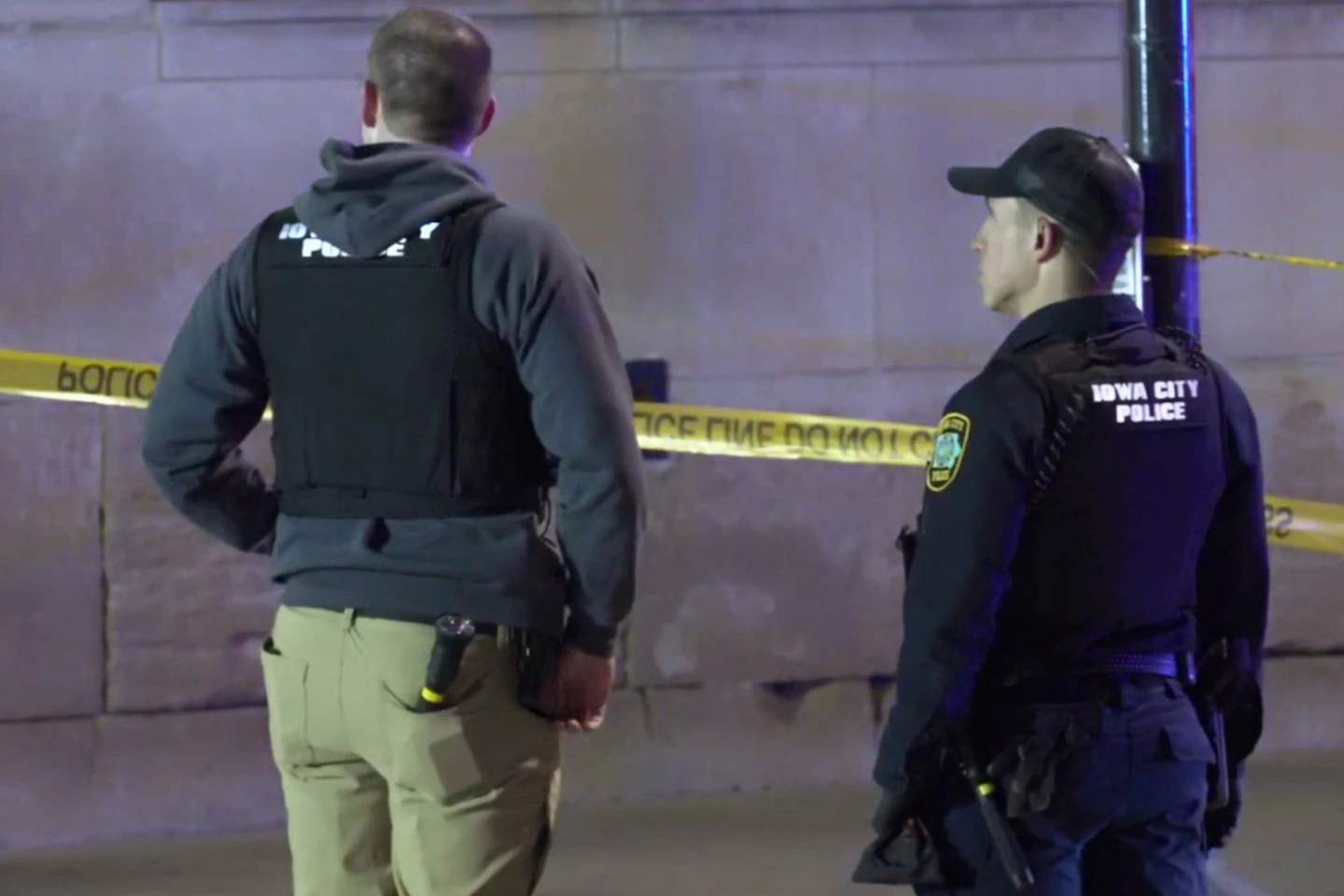
A man has been arrested in connection to two pipe bombs placed outside the headquarters of the Republican and Democratic national committees on the eve of the 6 January Capitol riot nearly five years ago.
The arrest was confirmed by sources familiar with the case to BBC's US partner, CBS News. He is expected to face charges in DC federal court later today, though the specific charges are unclear.
This development ends a long-running manhunt that involved extensive investigations and a reward of $500,000 (£375,000).
Both pipe bombs were safely deactivated and did not explode.
Officials have not released details regarding the identity of the suspect or what led to the arrest.
Earlier this year, the FBI published CCTV footage of the alleged suspect, who was seen wearing a light grey hooded sweater and carrying a backpack as he placed the bombs near benches outside the Democratic National Committee building. These explosives were discovered during the Capitol riot when rioters began storming the building.
On that day, US senators were in session to certify the results of the 2020 presidential election, in which Joe Biden defeated Donald Trump. During that time, Trump addressed his supporters at a rally, inciting them to march to the Capitol while making baseless claims of election fraud.
Shortly after the bombs were found, rioters breached the Capitol, overwhelming police forces and taking several hours for law enforcement to restore order.
The FBI's investigation revealed that the pipe bombs consisted of basic components including pipes, wires, kitchen timers, and homemade black powder. They were designed to explode using a 60-minute kitchen timer, but for unknown reasons, they did not detonate.
Authorities have been searching for the individual responsible ever since.
After the riot, many individuals faced charges or convictions. Notably, former President Trump pardoned over 1,500 individuals connected to the January 6 events during his second presidential term.
Trump's administration garnered controversies following his remarks about those indicted or convicted from the riot, which he termed as hostages, expressing concerns over their treatment in the judicial system.