In brief
In the final month of his mayoral term, Eric Adams has embarked on international trips to Albania, Israel, and Uzbekistan. His frequent travels raise eyebrows amid allegations of accepting improper benefits from foreign officials, and critics claim he is neglecting his responsibilities as he seeks future opportunities abroad. Despite a federal indictment in the past related to his travel, Adams remains focused on global engagements, aiming to bolster job creation in New York City.
NEW YORK — For Eric Adams, the recent months as mayor of New York City have been characterized by an adventurous spirit, as he fulfills his childhood dream of extensive travel. However, these travels come at a tumultuous time, seeing him embroiled in controversies, including a federal indictment regarding the acceptance of improper travel benefits from foreign officials.
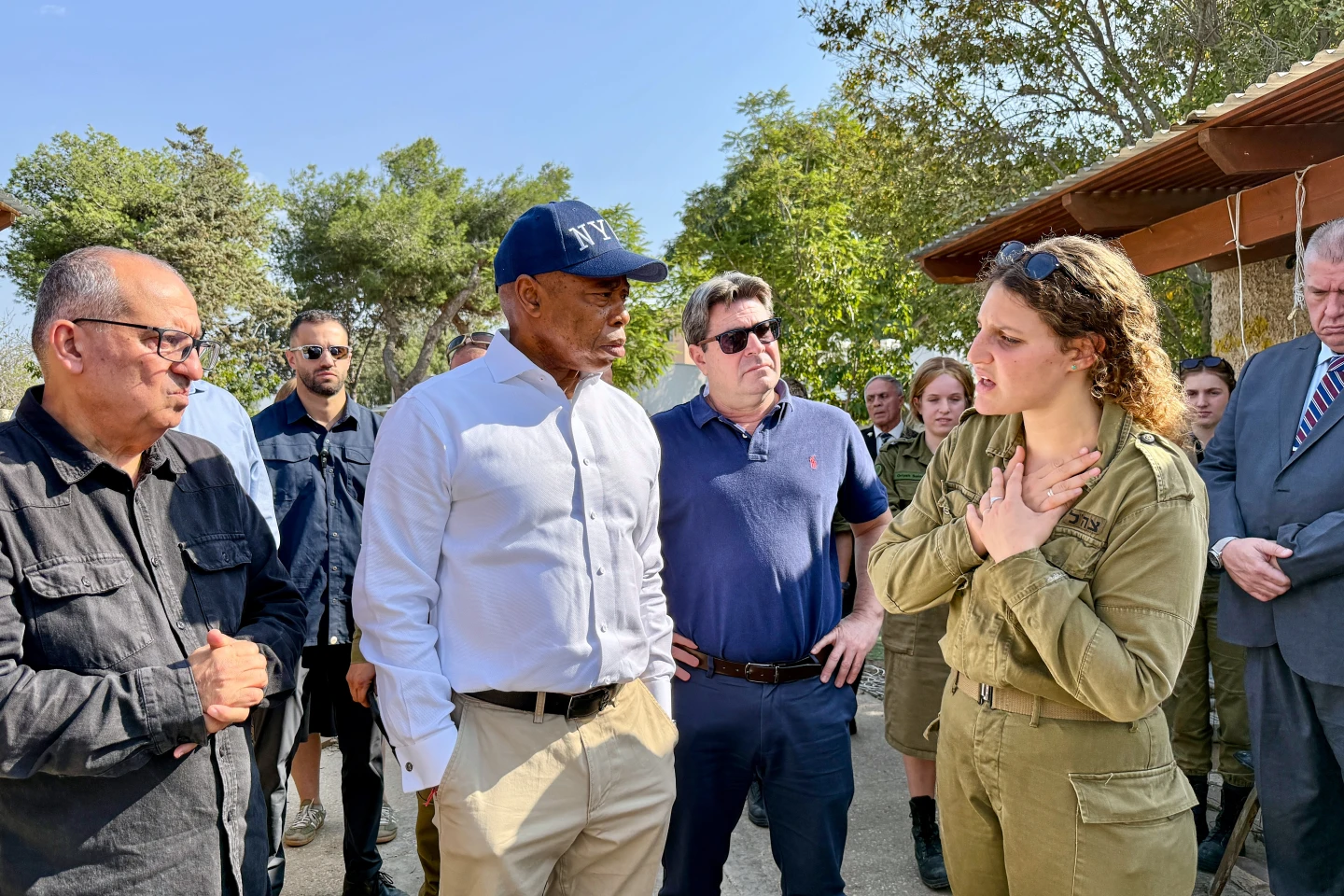
In recent weeks, the lame-duck Democrat has made journeys to countries like Albania, Israel, and Uzbekistan, as he attempts to connect with global leaders and discuss economic innovations applicable to New York City. Critics however, argue that his globe-trotting reflects a form of 'mayoral senioritis,' suggesting he is more focused on his personal agenda than addressing local issues.
Adams' spokesperson has not disclosed the travel expenses, mostly funded by taxpayers, which typically cover airlines, hotels, and security. His trips have sparked criticism, especially as he prepares to leave office, abandoning his reelection campaign that was marred by scandal.
Some prominent figures have publicly accused Adams of neglecting critical governance responsibilities while pursuing personal ambitions abroad. New York City Public Advocate Jumaane Williams expressed concern that the mayor has prioritized his global aspirations over the needs of the city.
Despite the backlash, Adams remains undeterred, stating there are numerous opportunities for him internationally, hinting that various entities wish to engage his leadership beyond U.S. borders. This mindset has roots dating back to his days as Brooklyn borough president, where he initiated sister city agreements to foster international dialogues and partnerships.
Adams’ professional path continues to blur as his travels weave narrative threads to his potential future roles, while his recent engagements—like an award acceptance in New Orleans—signal a keen interest in sustaining international relationships even as his tenure concludes.
With the upcoming transition in leadership posed by Mayor-elect Zohran Mamdani, Adams’ international dealings may be seen as a strategic play for establishing relevance and influence beyond city hall, as he aims to leave a complex legacy shaped by both attachment and criticism.