In brief
In the Gironde, aerial water‑dropping planes and helicopters work alongside ground crews to stem wildfires spurred by soaring temperatures. Residents like Pierre Alexandre refuse to vacate, holding onto homes even as flames leap across forests. Volunteers, from local families to professional firefighters, march into burning areas with water tanks and sprayers in a relentless ‘cat‑and‑mouse’ effort to contain the flames. The disaster has prompted evacuation of more than 200,000 people and a ‘noyer’ strategy to drown the fire front.
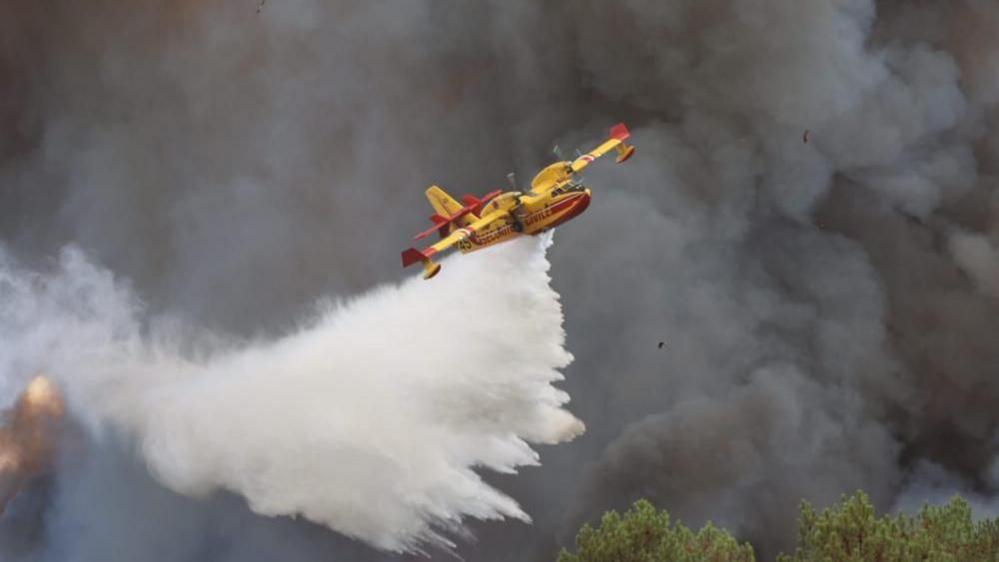
Down in the Gironde, a fleet of Canadair planes drops more than 1,000 gallons of water per pass onto towering black plumes that loom over residents. Helicopters follow, spraying red fire retardant along the blaze’s edge while fire crews set about containing the new flare‑ups.
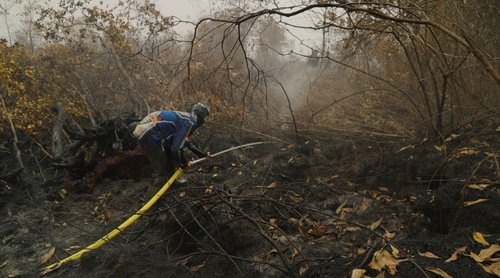
As the heat climbs near 40C, ordinary citizens ride into the forest, refilling water tanks with community‑supplied buckets. In one village, Pierre Alexandre and his son stare over the house roof, defying evacuation orders while flames creep from an abandoned woodland near their bungalow.
This isn’t a sudden fight. National crews from Brittany, Marseille, Lyon and beyond have poured into the southwest. Firefighters and volunteers use a ‘noyer’ method – spilling water into dry soil to slow future fires – as the battle continues for fresh acres of burned forest.
New NASA satellite maps track the spread from 22 to 28 July, showing fire fronts absorbing 200,000 people. The current strategy keeps the burning front under relative control with continued aerial support and ground‑level dousing.
For locals, the fight feels personal. A family nurse and a volunteer driver describe a sense of sadness, a resolve that they will try to help – and a collective hope that one day the forest will recover.