In brief
Violence that erupted on Saturday in Paris and spread across France has raised questions about blame, political motives, and state security. The government points to far‑left groups, while the radical left denies orchestration. Simultaneously, students and ordinary citizens speak out, demanding clarity on the root causes—housing, public services, and economic burden. The chaos has inflamed already tense politics ahead of the 2027 presidential election, drawing in social media strategies and cross‑border comparisons with Belgium.
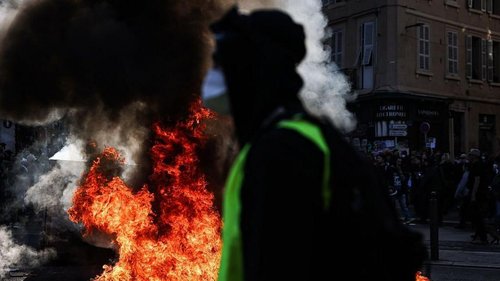
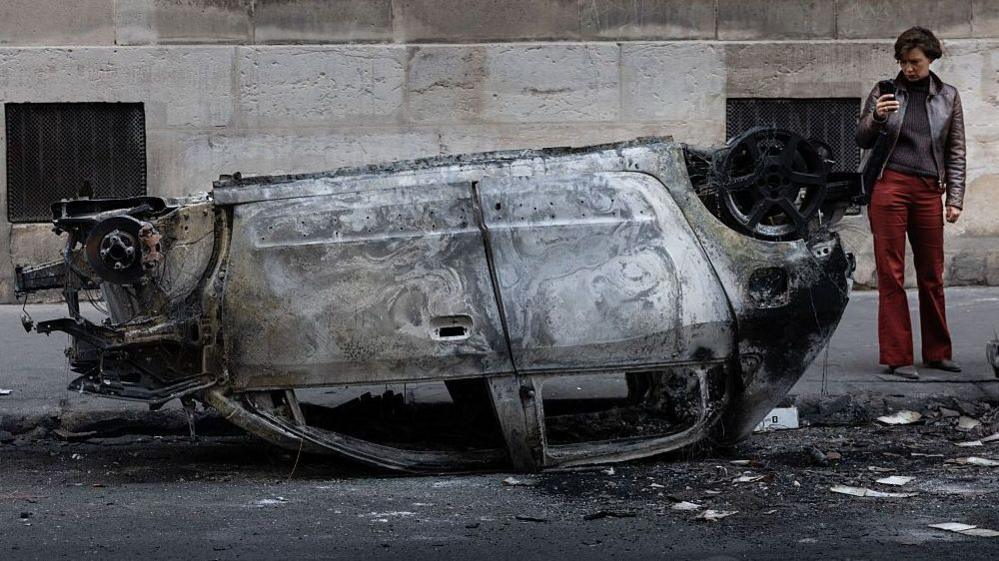
In a Paris street marked by shattered storefronts and spray‑painted slogans, the weekly protests swelled into a week‑long riot that left more than 3,000 shops looted and a city hall on fire. The violence sparked an on‑the‑spot debate over responsibility that has split France from Parisian cafés to the corridors of power.
Macron and his ministers blamed far‑left anarchists, citing intelligence reports that linked “blue‑tipped” groups to the assault on police vans. The president’s message was clear: justice would be swift, yet the country’s shrinking police presence the day before the unrest raised fresh questions about strategic oversight.
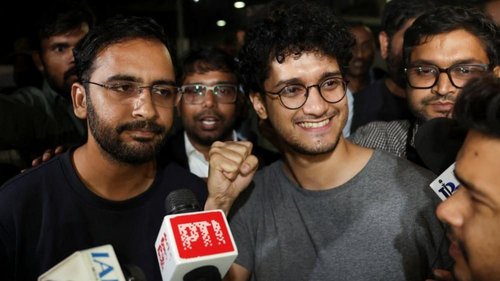
LFI and its leaders denied orchestration, arguing that the slogans and symbols painted on walls were spontaneous expressions of student frustration, not political ploys. Student union spokespeople explain that the movement began through peer‑to‑peer messaging, rejecting suggestions that politicians “directed” the unrest.
The unrest’s timing—coincident with the launch of a nationwide student protest campaign a month earlier—has entered the public discourse as a potential “electoral strategy” to influence the 2027 presidential race. The narrative is stoked by social media feeds where videos of young men in hooded black garments attacking police vans circulate, fueling a contagion of “TikTokisation” as Belgian officials remark.
Public confidence in governance has dipped into the single digits of despair. Recent polls show 69 % of French citizens feel dissatisfied with democracy, a trend echoed in Spain and Italy. Young voters, in particular, echo calls for better housing, lower energy costs, and protection against AI‑driven job loss.
Against this backdrop, opposition leaders use the riots to bolster their profiles. Marine Le Pen frames the clashes as a breakdown of order, positioning her nationalist platform as a stabilising force. In contrast, Mélenchon maintains his hard‑line stance but underlines that “insurrections” will be met with decisive police action, avoiding personal blame for the chaos.
The government now faces inquiries—ranging from a parliamentary probe to an overhaul of policing strategy. Meanwhile, citizens on the streets demand a tangible response to the “rock‑bottom” conditions that have long seeded unrest. As France’s political scene heads toward a decisive election, the riots’ echoes may well dictate the country’s next chapter.