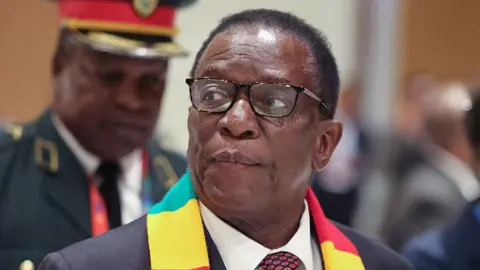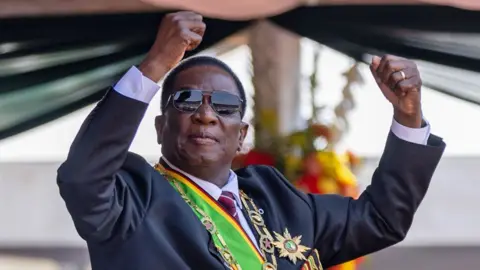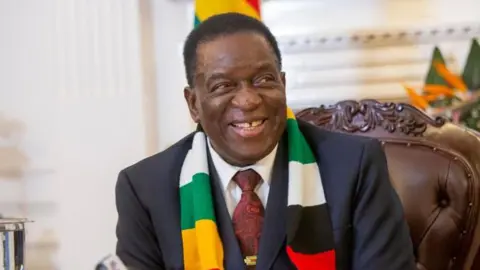
Zimbabwe’s lower house of parliament passed a constitutional change yesterday that will extend the presidential term from five to seven years, a move that could keep President Emmerson Mnangagwa in power until 2030. The vote was clear: 216 lawmakers backed the bill while only 42 opposed, crossing the required two‑thirds threshold.
The amendment erases the mechanism for direct presidential elections. Under the new text, parliament will elect future presidents, and both parliamentary and presidential terms will be extended to seven years. The result delays the next parliamentary elections from 2028 to 2030 and keeps Mnangagwa in office beyond the end of his second term.
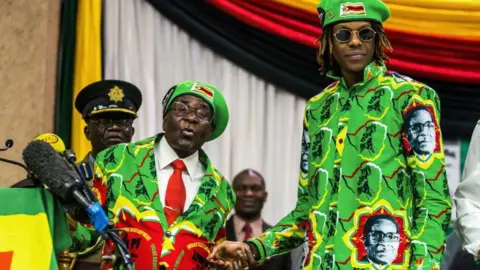
Mnangagwa took power in 2017, following the ouster of long‑time ruler Robert Mugabe with heavy military support, and has since won disputed elections in 2018 and 2023. He has been hailed by supporters as a reformer but critics point to economic hardship, contested results and signs of democratic erosion.
Opposition parties, civil‑society groups and legal experts argue that such sweeping constitutional changes should be subject to a national referendum rather than a simple parliamentary vote, citing the 2013 constitution’s requirement for a public vote when term limits are altered.
The Constitutional Court last week dismissed a legal challenge seeking to block the bill, clearing the way for senators to approve the amendment and for the president to sign it into law. The decision has heightened debate over Zimbabwe’s political future, with supporters emphasizing continuity and stability while opponents warn of a potential slide into authoritarianism.