In brief
The war in Iran is causing a fuel crisis across Africa, prompting countries to ration electricity, dilute petrol, and seek alternative fuel sources. South Sudan is experiencing electricity rationing, while Mauritius is facing an energy emergency due to oil shipment delays. Countries like Zimbabwe are increasing ethanol in petrol and removing fuel import taxes to alleviate costs.
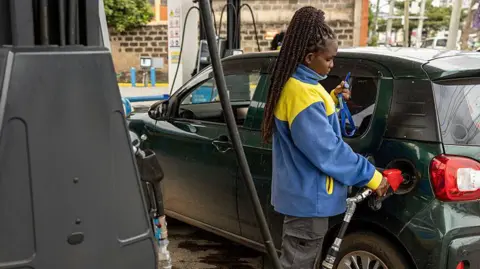
Countries across Africa are grappling with significant fuel price increases due to the ongoing war in Iran, leading to drastic measures to sustain energy supplies. From rationing power in South Sudan to diluting petrol in Zimbabwe, nations are adapting to the escalating crisis. South Sudan has implemented electricity rationing in the capital while withdrawing power during hours of high usage. In Mauritius, a reported oil shipment delay has led to a supply shortage igniting concerns of an energy emergency. Alternative solutions are sought as Ethiopia prioritizes fuel supplies for key sectors, while Zimbabwe has vowed to raise ethanol content in petrol and cut import taxes to combat rising prices.Street vendors are feeling the effects, with increased transport costs making it difficult for them to maintain prices, as noted by vendors like Nicole Mazarura in Harare. Conversely, countries such as Nigeria could stand to benefit from increased oil prices, potentially raising their export revenues.Additionally, authorities across East Africa are addressing the crisis head-on. Kenya is currently experiencing supply shortages, prompting the Ministry of Energy to investigate retailers' hoarding practices in light of panic buying. Meanwhile, Uganda reassures citizens of adequate fuel supplies, cautioning against potential price hikes from distributors.As conditions shift, the long-term impacts of these adaptations remain to be seen, but with an uncertain global oil landscape, African nations must navigate these challenging waters for their public's benefit.