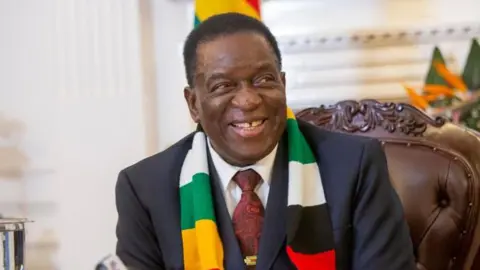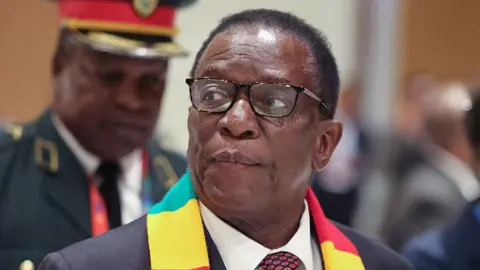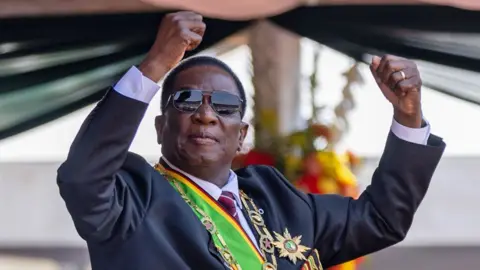
Zimbabwe's cabinet has approved draft legislation that would allow President Emmerson Mnangagwa, 83, to extend his stay in office until at least 2030.
Under the proposals, presidents would be selected by Members of Parliament (MPs) rather than through a direct vote, and the maximum term could be increased to two seven-year terms instead of the current five-year terms.
Justice Minister Ziyambi Ziyambi stated that public consultations would take place before the bill proceeds to parliament for debate, where both chambers are controlled by the ruling Zanu-PF party.
However, legal experts anticipate challenges ahead, arguing that a referendum may be necessary if term limits are altered, and noting that amendments should not favor a sitting president.
Since taking power in 2017 after a military coup ousting Robert Mugabe, Mnangagwa has faced various hurdles, including disputed election results during his subsequent terms. His current five-year term is set to expire in 2028.
Previously hailed as the crocodile for his political acumen, hints regarding Mnangagwa's desire to remain in power beyond 2028 began circulating two years ago, along with chants at Zanu-PF rallies advocating for his continued leadership to complete the Agenda 2030 initiative, which he has publicly denied.
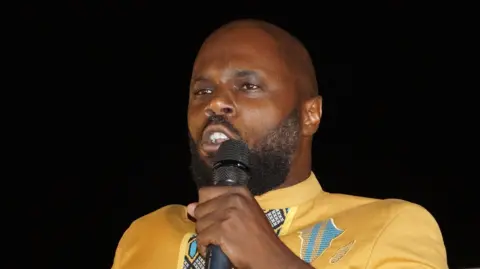
His political landscape is marked by fierce dissent within his party, particularly against the late critic Blessed Geza, also known as Bombshell, who openly condemned Mnangagwa’s ambitions. Following Geza's recent death, the government is now accelerating its legislative efforts to ensure the president's continued governance, claiming the draft law aims to enhance political stability in Zimbabwe.
}