In brief
The 2026 World Cup hosted by Mexico, the United States and Canada saw South Africa's team, Bafana Bafana, slide to a disappointing 2-0 loss. On social media, many African fans mocked South Africa with memes of sombreros and tacos, blaming the country’s struggles with xenophobic violence. While some fans celebrated Mexico, others rallied in defence of South Africa, highlighting the nation’s unity on the world stage. The incidents have occurred amid heightened tensions over migrant rights and a looming deadline for irregular foreign nationals to leave the country. South African officials urge calm, emphasising that the country’s situation deserves a measured response rather than vigilantism.
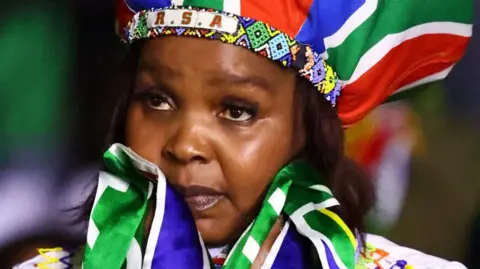
The 2026 FIFA World Cup, hosted by Mexico, the United States and Canada, ended in a 2‑0 loss for South Africa’s national team, Bafana Bafana.
On the social‑media front, many African users turned the surprising defeat into a wide‑ranging mockery of South African struggles, publishing memes that featured sombreros, mariachi band imagery and tacos. The jokes inevitably echoed the country’s recent and still‑present xenophobic violence, which has seen foreign residents – particularly from neighbouring countries – become targets of intimidation and aggression.
While others placed their bets on Mexico for the draw, some African fans countered that the refusal to give solidarity to South Africa had to do with the wider migration debate. One X user questioned a support for Mexico with the line: “Do you want people to cheer for you when you play soccer only because we’re African?” Another wrote: “We’re supporting Mexico so that South Africa can go back home early to protect their jobs,” echoing unfounded claims linking foreigners to the country’s unemployment crisis.
There is, however, a counter‑vibe among South African fans. The government’s statement praised the team for their “spirited performance” and “unity, determination, and pride,” and the public replied with pride in their national identity. Messages such as “We qualified for the World Cup alone without your support” and “We are not backing down – come to South Africa legally” emerged on the social‑media archives.
The incidents have not gone unnoticed by authorities, with President Cyril Ramaphosa warning that only authorised officials may act against violations of law and stressing that South Africans’ concerns deserve внимания. In the meantime, several African governments – including Nigeria, Ghana and Zimbabwe – pushed back to safeguard the interests of citizens who currently reside in South Africa.
With the event still unfolding, these dynamics underscore how intertwined sports and socio‑political issues can become on the global stage, especially in a continent where migration, identity and solidarity are pressing concerns.