In brief
As climate change alters the Arctic landscape, Churchill's polar bear population experiences decline while interactions with residents increase. The community grapples with safety measures and conservation efforts to coexist with these majestic creatures.
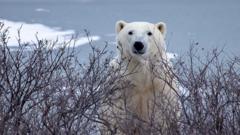
In Churchill, Canada, the unique coexistence between humans and polar bears becomes more complicated as climate change progresses. The polar bear capital of the world, just off Hudson Bay, sees residents take precautions with signs reminding them to be "bear aware" and urging them to fight back if faced with an attack. Thirteen-year-old Tee offers her advice on dealing with polar bears, emphasizing the need to be vigilant. As winter approaches and the bay begins to freeze, polar bears congregate onshore, transforming the town into a hub for wildlife observation and research. However, this poses a significant threat to both animals and residents, as rising temperatures result in prolonged ice-free periods, forcing bears to spend more time on land and increasing the chance of encounters.Experts like Alysa McCall from Polar Bears International (PBI) point out the stark reality: the polar bear population has dwindled by nearly half since the 1980s, translating to greater pressure on bear mothers and their cubs due to food scarcity. As scientists like Geoff York explore the tundra in specialized buggies, they are also experimenting with new technologies to monitor bear movements more effectively, including a radar system designed to detect bears in real-time. The threat of polar bear attacks, while rare, remains tangible, especially as a recent incident in Nunavut reminds the community of the dangers posed by these apex predators. Ranger Ian Van Nest actively patrols the area in search of bears that might pose a risk to the local populace, with legal measures including live traps being employed to deter curious bears.The newly established Churchill Marine Observatory takes on the crucial task of understanding the local ecosystem's response to climate change. With plans for a longer operational port season, Mayor Mike Spence insists it is vital for the community to adapt rather than retreat. While hope persists for the resilient town, the future for the polar bear population remains precarious. As young residents like Tee and her classmates ponder the long-term survival of these creatures, awareness spreads about the impact of climate change on their Arctic home. With safety measures continuously in place, the daily rhythms of life in Churchill reflect both the struggles and adaptability required in a rapidly changing environment.