In brief
A federal judge in Argentina dismissed a criminal case against President Javier Milei and his sister Karina Milei linked to the $Libra crypto scandal. Milei, who publicly promoted the coin in February 2025, claims he acted "in good faith" and withdrew the post once he learned of the project’s risks. Prosecutors said there was no criminal deception, leading to the case’s closure. The decision comes amid calls for impeachment and accusations of a "rug pull" by opposition lawmakers. The dismissal does not preclude new investigations by the Anti-Corruption Office.
Argentina Drops Investigation Into President Milei Over Crypto Fraud
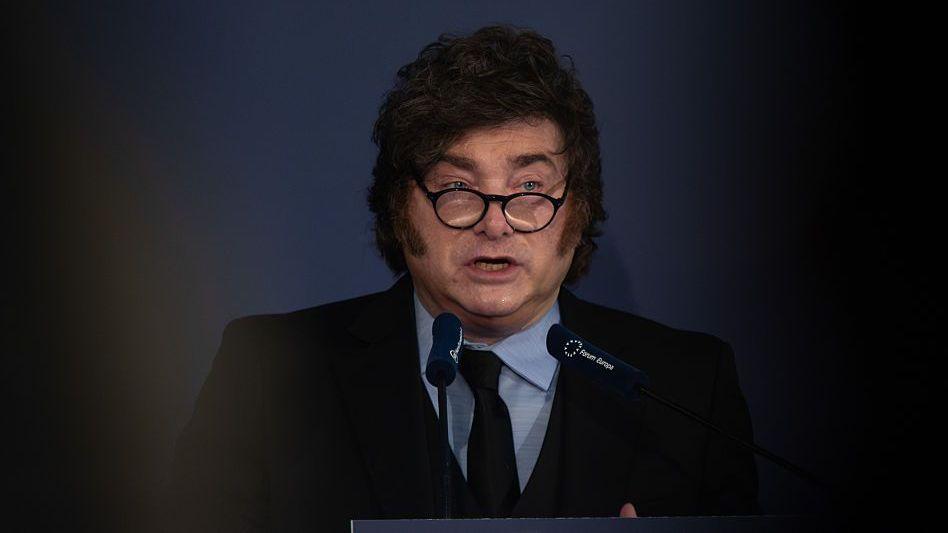
A federal court has dismissed a criminal investigation that linked Argentine President Javier Milei and his sister Karina Milei to a cryptocurrency scandal involving the failed $Libra token.
Federal Judge Marcelo Martinez de Giorgi, acting on prosecutors’ request, ruled that no criminal deception had been proven and that the alleged events did not meet legal criteria for prosecution.
Milei, who had promoted the new coin on X (formerly Twitter) in February 2025, said the project soon collapsed after a sharp price decline, wiping out many investors’ money. He maintained he acted "in good faith" and removed the post once he learned more about the venture.
The cryptocurrency’s rapid ascent to a peak value drew widespread attention, followed by a sudden nosedive that prompted accusations of a "rug pull"—a scheme where promoters trigger a crash to siphon investments. Opposition members of Congress had already signaled plans for impeachment proceedings if the president was found complicit.
The presidential office has clarified that Milei was not involved in developing $Libra and that the Anti-Corruption Office will determine if there was any improper conduct. Milei has yet to respond to the dismissal.
The case’s closure reflects prosecutors’ assessment of evidence; however, it leaves open the possibility of future investigations into the president’s role in the crypto incident. The decision was announced just hours after the case had entered the court docket with a 5‑minute publication time stamp.