In brief
The Danish government has scrapped its plan to seek an exemption to an EU-wide ban on mink farming, announcing a 2029 shut‑down of the country’s mink farms. The decision comes after years of animal welfare pressure, a costly 15–10 million cull during the Covid‑19 pandemic, and a decline in global fur demand. Industry insiders warned of significant financial costs for closing the seven remaining farms, estimated at around 14m Danish krone. The move marks a historic shift, as Denmark was once the world’s largest mink fur producer. Public opinion continues to weigh heavily on the fur market’s future.
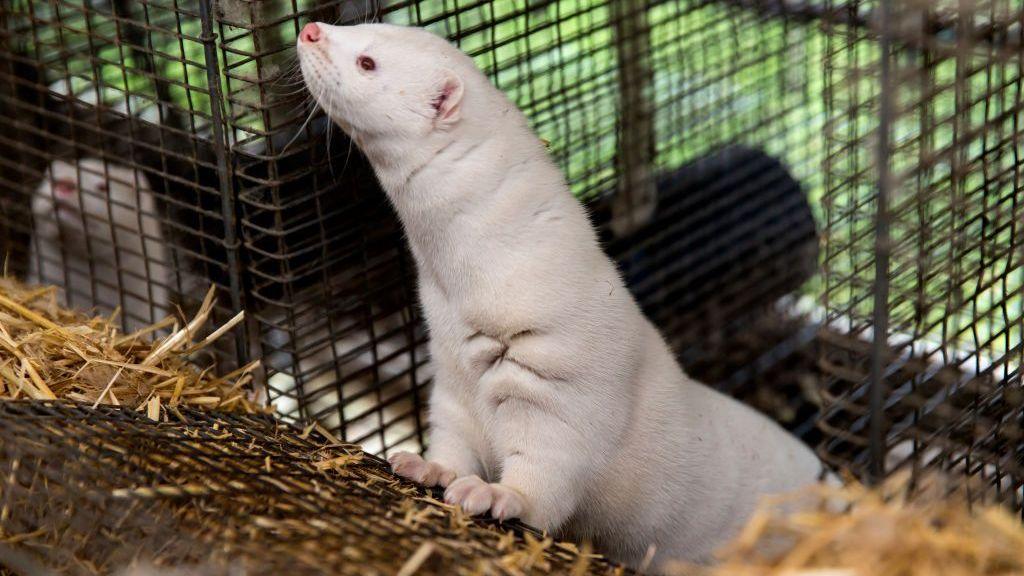
Mink farming will end in Denmark by August 2029 after the government decided to drop plans to pursue an exemption to an EU-wide ban on the practice.
Denmark was once the largest producer of mink fur in the world, but the industry has declined due to global bans on fur farming, a decline in the fur trade and an earlier outbreak of a Covid strain in the nation's mink population.
The ban is due to come into effect on 7 August next year, and is followed by a two‑year transition period to phase out the practice.
Danish Nature Minister Christian Rabjerg Madsen said the government had chosen animal welfare.
A business should not continue just because it has existed for a long time. It should also make sense for society, for the economy and for the animals, he said.
The Danish government had initially sought an exemption for its mink industry when the EU added the mammal to its list of invasive species in 2025, prohibiting people from keeping them.
However, the current coalition government, elected in June, reversed this decision and decided not to proceed with the application on Friday.
Social Democrat MP Brigitte Vind said it was "a good day for animal welfare".
"It is absolutely the right decision not to apply for a special scheme for mink breeding in Denmark," she said.
The Danish Mink Association, which represents breeders, has been approached for comment.
Denmark is one of the few European countries to still produce mink fur, one of the more common pelts used in making fur garments.
However, its production has slipped behind that of other countries, such as Poland and China, in recent years.
The industry faced a crisis during the coronavirus pandemic, when the government ordered a mass cull of mink after a mutated strain of Covid-19 was found in the animals. Approximately 15 million were killed.
At the time, the country had huge export markets to China and Hong Kong. The government later admitted it had no legal basis for the culling.
There are now approximately 15 000 mink left in Denmark.
No costs have yet been determined for closing Denmark's seven remaining mink farms, but an animal welfare spokesperson for one of the governing coalition parties previously estimated it would be around 14m Danish krone (£1.56m), local media report, but the final amount could be higher.
The wearing of fur is a controversial subject within fashion circles with publications and fashion brands choosing not to use or promote it several years ago.
But it re‑entered the spotlight last year, with celebrities and fashionistas wearing both vintage and so‑called faux fur.