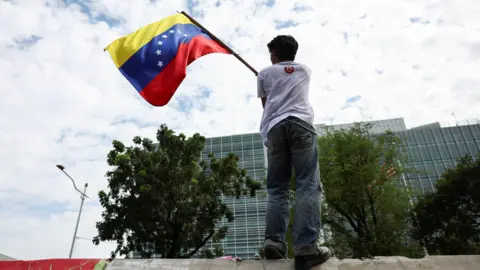
In the days since the seizure of Nicolás Maduro, Venezuelans have been coming to terms with an uncertain future as a new reality begins to set in. Marcelo, a student based in Caracas, is among those welcoming Maduro's seizure, although he is careful not to celebrate publicly. There are still allies of Maduro that are in power, so there are a few reasons why we don't celebrate outside of our houses, he told the BBC World Service. But I can assure you that the majority of the people of Venezuela are very happy for what happened.
He is not the only one exercising caution. The BBC has been asking people how they feel about recent events and what might happen next. Many of those opposed to Maduro's government asked to remain anonymous, fearing for their safety. But there are also those who support him. Rosa Contreras says she felt humiliated by the United States. It seems so easy how they took our president away, the 57-year-old said.
Dozens of people are reported to have been killed in the operation that led to the Venezuelan leader and his wife being seized from his compound in Caracas before being taken to the U.S. where they face drug trafficking and weapons charges. The Cuban government says 32 members of its security forces were among those killed.
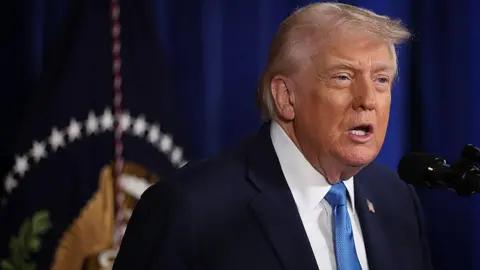
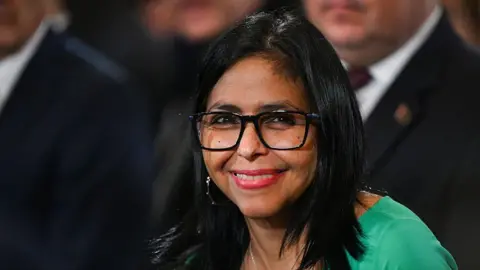
Shortly after Maduro and his wife, Cilia Flores, were taken by U.S. troops, President Donald Trump said his administration would run Venezuela. But exactly what that would look like remains unclear. Maduro's vice president, Delcy Rodríguez, has taken power in the interim. Far from a Maduro opponent, Rodríguez was his closest lieutenant.
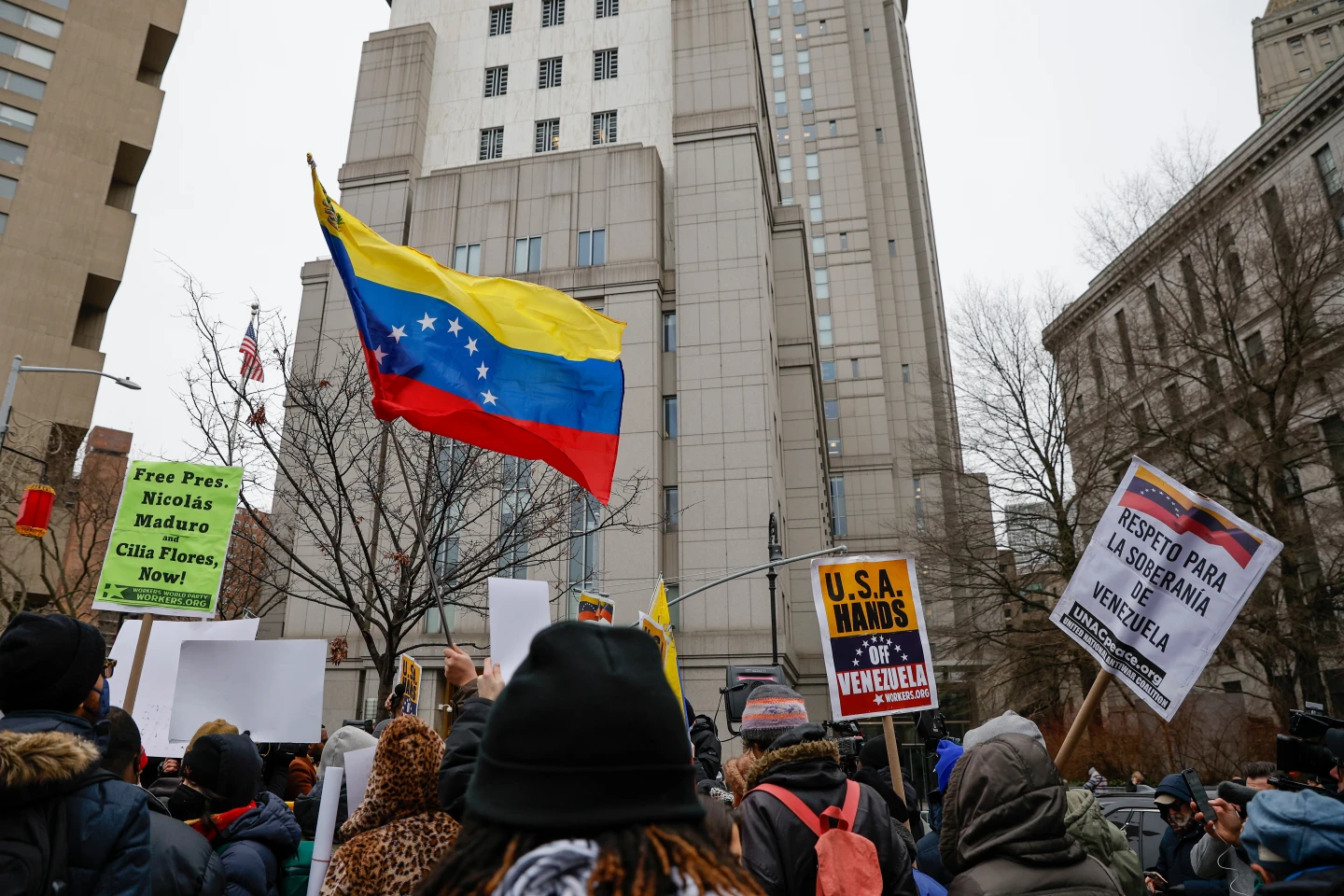
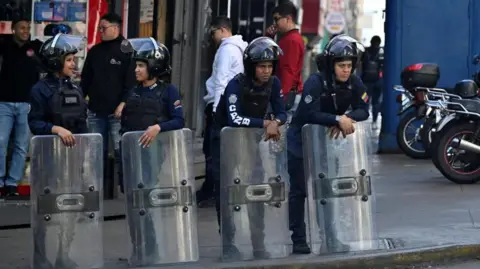
Since she was named interim president, police have been patrolling the streets and journalists have been detained. Speaking to the BBC at a rally calling for the jailed leader's release, Rosa Contreras said the image of Maduro waving after arriving in the U.S. had inspired her to take to the streets to show her continuing support for Maduro. He had an attitude that sent us a message: if I'm standing here, you have to stand here, stand tall and keep going, she said.
Marcelo is also pleased that Maduro survived the U.S. assault unscathed - but for different reasons. We want him to live every single day remaining in his life behind prison bars, he said.
Millions of people have left Venezuela in recent years due to political and economic crises that have worsened under Maduro. But Marcelo said he had friends outside the country who would return if Maduro's fall led to a change in government and an end to Chavismo - the socialist political movement named after Maduro's predecessor Hugo Chávez.
If the United States runs the country so there's a stable transition in Venezuela economically and socially, I think everyone would be OK with that, even if it's not a perfect solution, he added.
One opposition activist in his 60s from the north-western city of Maracaibo lamented the loss of life in the U.S. operation but was happy Maduro had been seized and taken into custody. The man they took away has done a lot of harm. We're glad they have him over there, he said.
Under Chavismo, a lack of food and medicine has led to much suffering and death, he added. They gave the people the scraps while keeping the feast for themselves, a 33-year-old masseuse told the BBC, referring to Maduro's government.
This unease is not unfounded. Many protests in recent years had been met with repression by government forces and paramilitary groups loyal to the Maduro government. A 34-year-old entrepreneur noted her fears of reprisals similar to those seen after the election in July 2024, which had been contested and resulted in significant unrest. There are military people on every corner and groups of armed civilians supporting the government who are causing fear among the population, she said, adding that people were uncertain whether there would now be peace.
Despite some optimism, many doubt whether Maduro's seizure will significantly alter the political landscape. A resident highlighted the rising prices of essential goods despite the upheaval. They took the leader out but the regime is the same, so in that sense, nothing has really changed, he said. With a palpable sense of fear throughout the streets, many Venezuelans remain apprehensive about what the future holds.
He is not the only one exercising caution. The BBC has been asking people how they feel about recent events and what might happen next. Many of those opposed to Maduro's government asked to remain anonymous, fearing for their safety. But there are also those who support him. Rosa Contreras says she felt humiliated by the United States. It seems so easy how they took our president away, the 57-year-old said.
Dozens of people are reported to have been killed in the operation that led to the Venezuelan leader and his wife being seized from his compound in Caracas before being taken to the U.S. where they face drug trafficking and weapons charges. The Cuban government says 32 members of its security forces were among those killed.
Shortly after Maduro and his wife, Cilia Flores, were taken by U.S. troops, President Donald Trump said his administration would run Venezuela. But exactly what that would look like remains unclear. Maduro's vice president, Delcy Rodríguez, has taken power in the interim. Far from a Maduro opponent, Rodríguez was his closest lieutenant.
Since she was named interim president, police have been patrolling the streets and journalists have been detained. Speaking to the BBC at a rally calling for the jailed leader's release, Rosa Contreras said the image of Maduro waving after arriving in the U.S. had inspired her to take to the streets to show her continuing support for Maduro. He had an attitude that sent us a message: if I'm standing here, you have to stand here, stand tall and keep going, she said.
Marcelo is also pleased that Maduro survived the U.S. assault unscathed - but for different reasons. We want him to live every single day remaining in his life behind prison bars, he said.
Millions of people have left Venezuela in recent years due to political and economic crises that have worsened under Maduro. But Marcelo said he had friends outside the country who would return if Maduro's fall led to a change in government and an end to Chavismo - the socialist political movement named after Maduro's predecessor Hugo Chávez.
If the United States runs the country so there's a stable transition in Venezuela economically and socially, I think everyone would be OK with that, even if it's not a perfect solution, he added.
One opposition activist in his 60s from the north-western city of Maracaibo lamented the loss of life in the U.S. operation but was happy Maduro had been seized and taken into custody. The man they took away has done a lot of harm. We're glad they have him over there, he said.
Under Chavismo, a lack of food and medicine has led to much suffering and death, he added. They gave the people the scraps while keeping the feast for themselves, a 33-year-old masseuse told the BBC, referring to Maduro's government.
This unease is not unfounded. Many protests in recent years had been met with repression by government forces and paramilitary groups loyal to the Maduro government. A 34-year-old entrepreneur noted her fears of reprisals similar to those seen after the election in July 2024, which had been contested and resulted in significant unrest. There are military people on every corner and groups of armed civilians supporting the government who are causing fear among the population, she said, adding that people were uncertain whether there would now be peace.
Despite some optimism, many doubt whether Maduro's seizure will significantly alter the political landscape. A resident highlighted the rising prices of essential goods despite the upheaval. They took the leader out but the regime is the same, so in that sense, nothing has really changed, he said. With a palpable sense of fear throughout the streets, many Venezuelans remain apprehensive about what the future holds.