In brief
In the rural village of Kudoshi, a transformative kabaddi club founded by teachers is providing girls with not only sports training but also a pathway to independence and empowerment, challenging societal norms in the process.
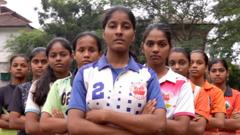
In the small tribal village of Kudoshi, approximately 230 km from Mumbai, a kabaddi club is revolutionizing the lives of young girls, providing them not just with a sport to play, but a way to break free from traditional roles tied to domestic life. Fourteen-year-old Meena finds solace and empowerment in the game, stating, "In that moment, I am not the Meena who is bound to housework... It feels like I am more powerful than other girls who don't play."Founded 15 years ago by Daji Rajguru and fellow teachers, the club emerged from a desire to uplift girls' lives beyond marriage and household chores. "I want my daughter to have the best opportunities," Rajguru asserts, believing that girls can pursue kabaddi as a career. The initial challenge was significant; parents hesitated to let their daughters participate due to concerns over safety and marriage prospects. With perseverance, Rajguru and his colleagues went door-to-door, reassuring parents about the safety of the training sessions. Despite initial reluctance, the club eventually grew from just two girls to approximately 30 active members, with an impressive 300 girls having been trained since inception. Meena trains rigorously for two hours before and after school, a commitment that tests her resilience. She recalls her family’s initial lack of support and the fear she overcame to pursue her ambition. Yet the success stories of former club members like Samreen Burandkar and Siddhi Chalke fuel her dreams. These women, now financially independent professional players, openly discuss the barriers they’ve overcome to achieve their goals. “The sport has changed my life,” says Samreen, who, at age 25, enjoys the freedom and respect that comes with her athletic career. Their achievements serve as a beacon of hope, emphasizing how sports can foster independence and encourage girls to continue their education longer and delay marriage. Vilas Bendre, a coach at the club, observes a transformational shift in how girls are perceived both in their homes and communities. “When rural girls climb ahead through sports, everything changes—the way they talk, their lifestyles,” he explains. With financial support arising from competition prizes and occasional donations, the club also facilitates training camps, nutrition, and injury care for its players. While the team faces occasional skepticism about their mission, they firmly believe in promoting women's sports where opportunities for girls are scarce.Meena dreams of leading India's kabaddi team, illustrating the hope and potential fostered by the club. As the Indian Sportswoman Of The Year Award highlights the achievements of female athletes in India, the efforts in Kudoshi signal a significant step toward empowering girls in sports and life beyond traditional confines.