In brief
U.S. Secretary of State Marco Rubio’s latest trip to India saw him skip New Delhi and stop at the Jamnagar refinery in Gujarat, the world’s largest oil refinery complex. The face‑to‑face meeting with India’s foreign minister in Mumbai and the refinery tour have been billed as part of a U.S. effort to lower gas prices before the November mid‑term elections, while diversifying supply after Middle‑East tensions rise. Analysts say the head‑lining visit also aims to reduce India’s dependence on Russian oil, encourage the import of Venezuelan crude and revive stalled trade talks. Despite the high‑profile engagement, a trade deal remains unconfirmed as deeper ties are still under negotiation and sanctions issues persist. The trip highlights Washington’s focus on energy security and domestic market stability amid political and geopolitical shifts.
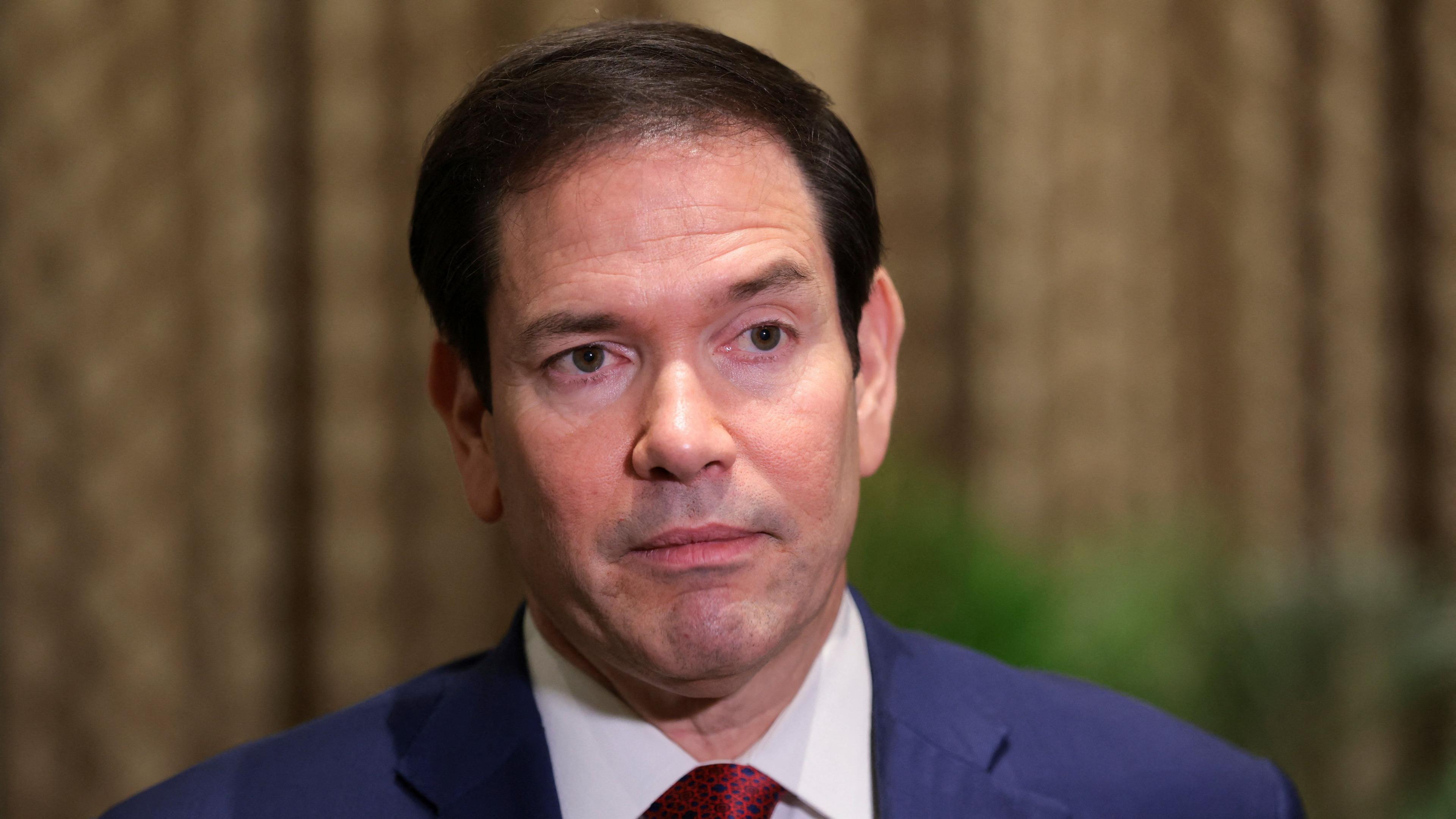
Marco Rubio, the U.S. Secretary of State, entered India this week for a brief but high‑stakes visit entirely focused on energy cooperation. Rounding out a schedule that began in Mumbai, he bypassed the capital Delhi and closed his trip at the Jamnagar refinery in Gujarat – the world’s largest oil‑processing complex.
In Mumbai, the U.S. envoy met India’s foreign minister Subrahmanyam Jaishankar to discuss trade, investment and defence ties, while stressing the urgency of a bilateral trade agreement that has stalled for months.
The two leaders then moved to Jamnagar where Rubio toured the Reliance Group’s refinery, processing some 1.4 million barrels of crude a day. He met Mukesh Ambani and other company heads, signalling Washington’s desire to secure more refined fuel for the U.S. market as domestic refining capacity grows slowly and Middle‑East disruptions threaten supply.
Rubio has floated the idea that Indian refineries could process Venezuelan crude, which the U.S. has been pushing through lifted sanctions in February. He also hinted at the possibility of Reliance backing a new U.S. refinery project in Texas, a project announced earlier this year by President Trump that would be the first major U.S. refinery in five decades.
The visit came even as India remains a major importer of Russian oil, a fact that has frictions with Washington due to tariffs and sanctions. By spotlighting Jamnagar, the U.S. hopes to ease that tension and ensure a steadier fuel supply before the November mid‑term elections.
While the trip may have softened diplomatic strains, analysts warn that it does not automatically translate into a trade deal. The broader business relationship remains robust, with U.S. exports to India growing, but the future of a formal agreement hangs on tariff clarifications and ongoing negotiations.