In brief
The Cockroach Janta Party’s Saurav Das and Ashutosh Ranka were freed hours after a magistrate ordered their release; they had been jailed for climbing a locked gate at the historic protest site Jantar Mantar. The two activists, who have been calling for the resignation of Election Commissioner Gyanesh Kumar, faced detention after crossing barricades in a banned protest, a key moment in a movement that went from an internet joke to a political force. Their release comes amid accusations that the commissioner’s voter‑roll revisions have favoured the ruling Bharatiya Janata Party, a claim both the commission and BJP deny. The CJP’s march in July sparked clashes with police and highlighted its influence on youth protest and political discourse in India.
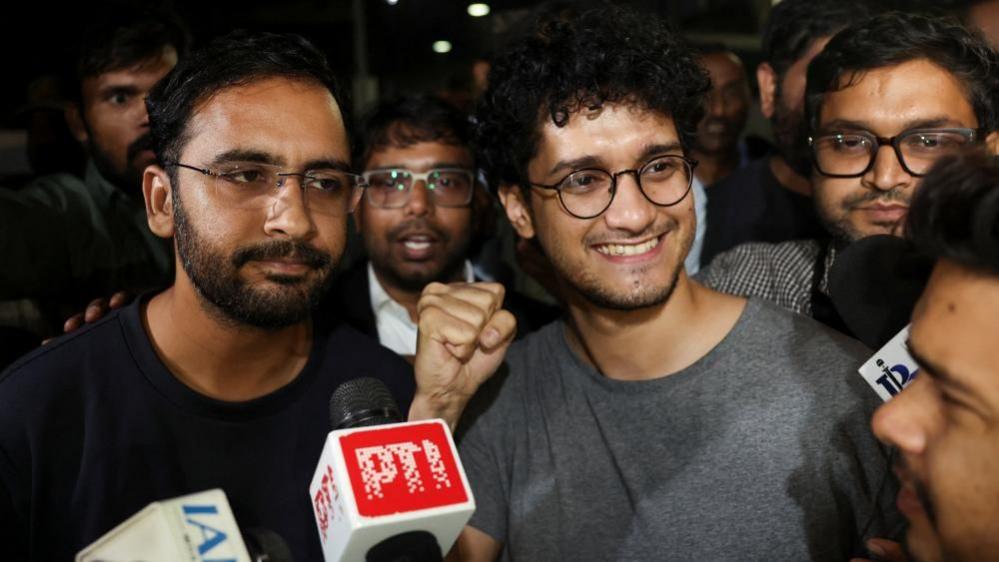
Saurav Das and Ashutosh Ranka were freed after a week in jail for trespassing at Delhi’s Jantar Mantar.
Two leaders of the Gen‑Z‑led Cockroach Janta Party (CJP) walked out of Tihar jail hours after a magistrate ordered their release. The men had been detained by police after crossing barricades and climbing over the locked gate at the historic protest venue.
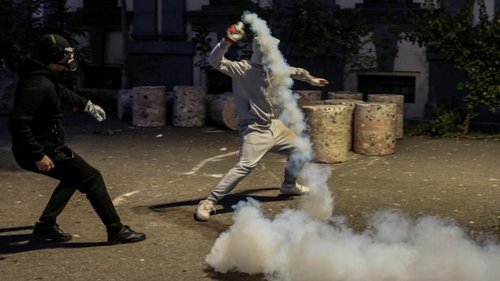
The CJP began in May as an internet joke after a judge compared unemployed youth to “cockroaches.” It quickly grew into a movement that mobilised thousands to protest leaked exam papers and later, in July, marched toward Parliament, sparking clashes with police and eventually contributing to the resignation of the education minister.
Today the party focuses on electoral reform. The CJP accuses Chief Election Commissioner Gyanesh Kumar of revising voter rolls through the Special Intensive Revision (SIR) to benefit Prime Minister Narendra Modi’s ruling BJP—an allegation the commission and the party reject. The SIR has removed around 130 million names from election rolls since last year, raising concerns about exclusion of eligible voters.
After his bail was granted, Das told reporters from a police van: “Truth alone triumphs. Long live the revolution.”