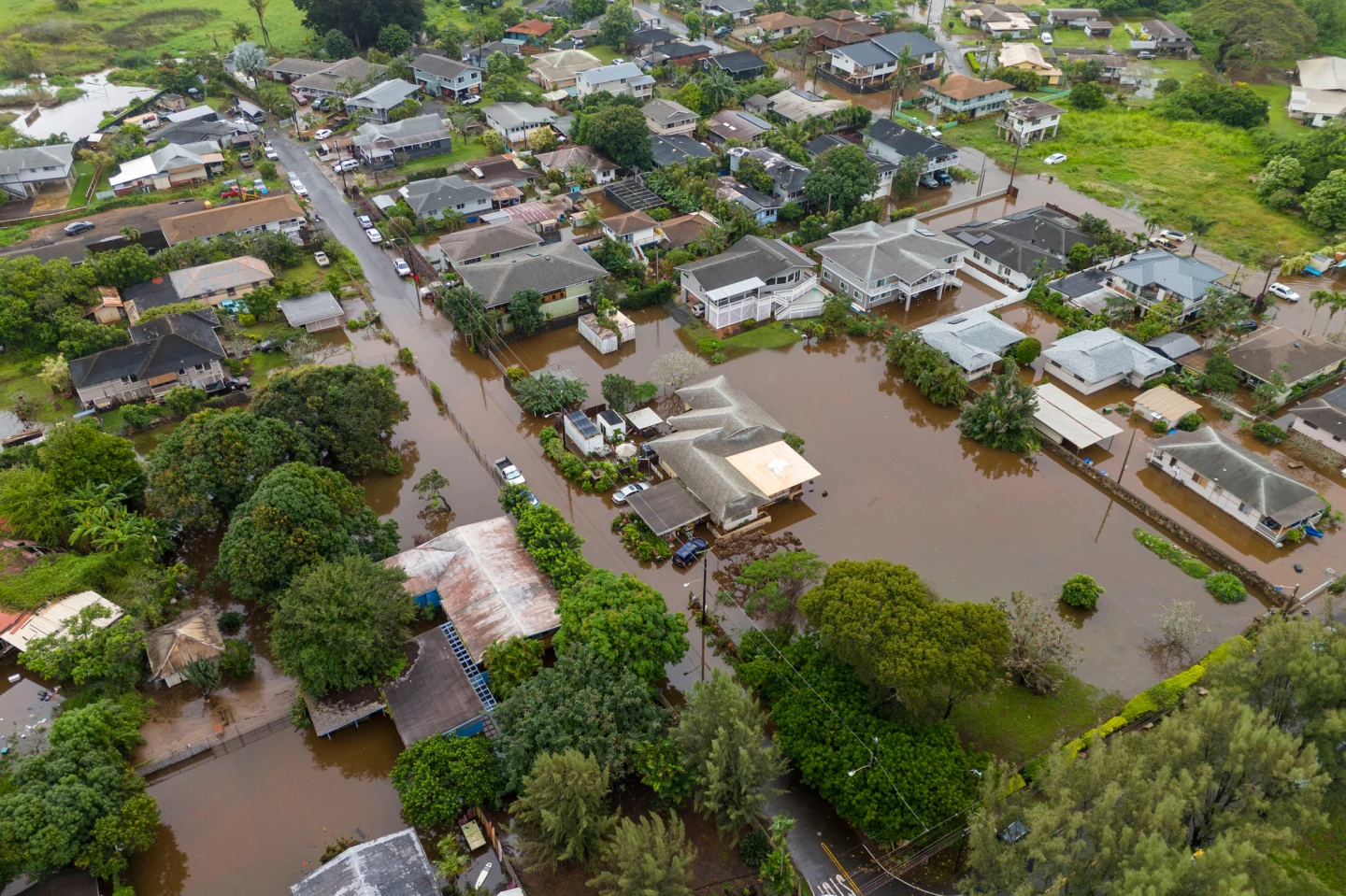
HONOLULU (AP) — Heavy rainfall has caused severe flooding across the Hawaiian island of Oahu, leading to the evacuation of approximately 5,500 residents in towns north of Honolulu. Emergency warnings were issued as officials reported the danger of the 120-year-old Wahiawa Dam potentially failing, exacerbating the already critical situation.
The Honolulu Mayor noted dozens of homes have been damaged, while over 230 residents were rescued from floodwaters, signaling some of the worst flooding in the region in two decades. This disaster has prompted the state to estimate damages could exceed $1 billion, according to Hawaii's governor.
As floodwaters receded slightly, authorities warned the dam's situation remained precarious, as water levels rose dangerously close to its maximum capacity. No fatalities have been reported, although authorities provided medical treatment to a small number of individuals suffering from hypothermia.
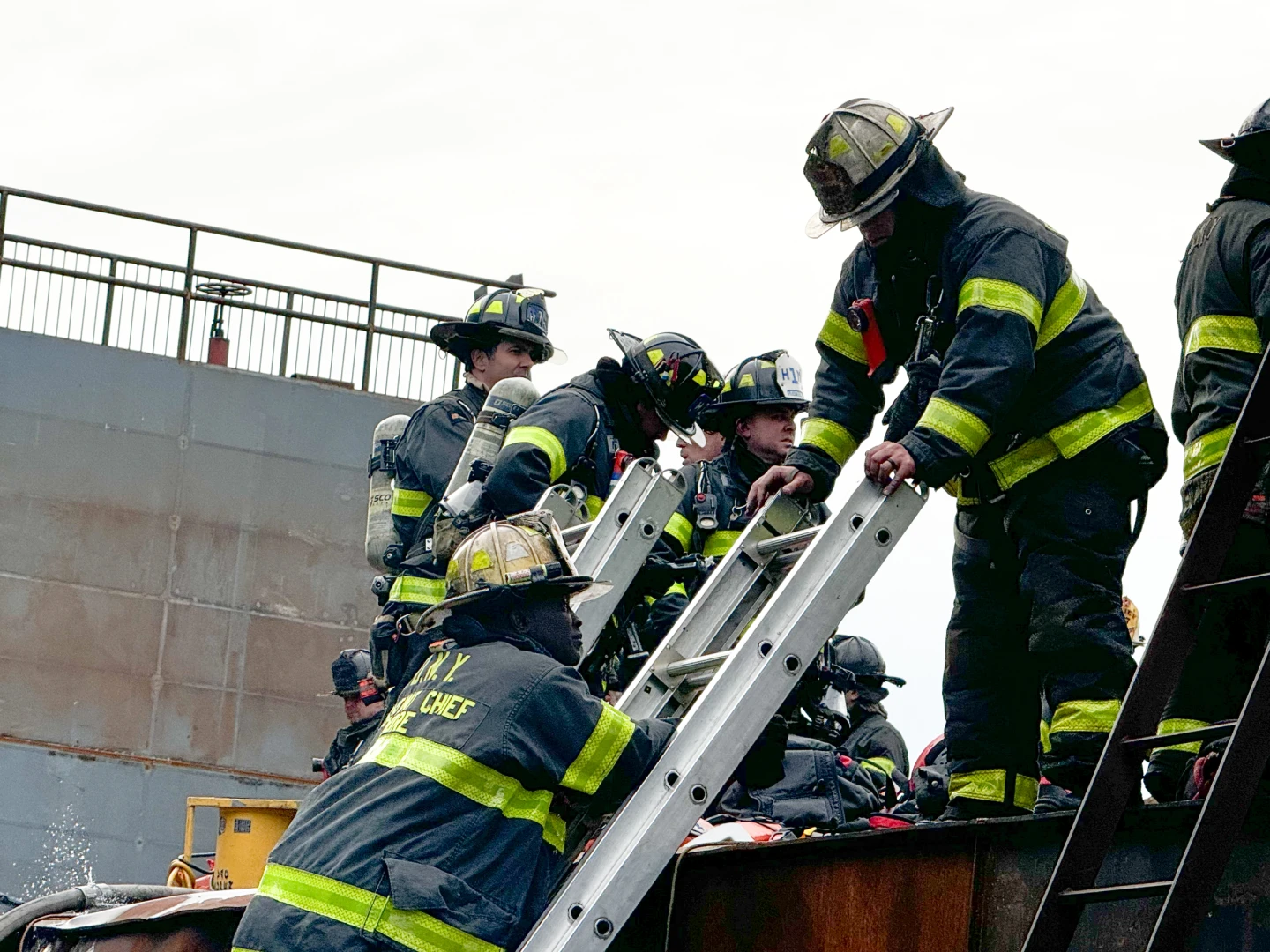
The National Guard and local volunteers have assisted in search and rescue operations, as concerns lingered over residents stranded due to inaccessible areas inundated with water. Specifically, the aftermath of the flooding has drawn attention to the vulnerability of the Wahiawa Dam, which was built in 1906 and has since faced scrutiny over safety measures. It is designated a 'high hazard' structure, with potential catastrophic outcomes if it fails.
Residents have expressed concerns about their safety as they evacuate, with many fearing the dams become more unreliable amid increasing storm intensity attributed to climate change. State regulations concerning dams have ongoing adjustments, particularly after a series of complaints regarding maintenance and repair needs particularly pertinent to the aging infrastructure.
As conditions remain dangerous, continuous monitoring and emergency measures are in place to ensure the safety of those affected by this disaster.
The Honolulu Mayor noted dozens of homes have been damaged, while over 230 residents were rescued from floodwaters, signaling some of the worst flooding in the region in two decades. This disaster has prompted the state to estimate damages could exceed $1 billion, according to Hawaii's governor.
As floodwaters receded slightly, authorities warned the dam's situation remained precarious, as water levels rose dangerously close to its maximum capacity. No fatalities have been reported, although authorities provided medical treatment to a small number of individuals suffering from hypothermia.
The National Guard and local volunteers have assisted in search and rescue operations, as concerns lingered over residents stranded due to inaccessible areas inundated with water. Specifically, the aftermath of the flooding has drawn attention to the vulnerability of the Wahiawa Dam, which was built in 1906 and has since faced scrutiny over safety measures. It is designated a 'high hazard' structure, with potential catastrophic outcomes if it fails.
Residents have expressed concerns about their safety as they evacuate, with many fearing the dams become more unreliable amid increasing storm intensity attributed to climate change. State regulations concerning dams have ongoing adjustments, particularly after a series of complaints regarding maintenance and repair needs particularly pertinent to the aging infrastructure.
As conditions remain dangerous, continuous monitoring and emergency measures are in place to ensure the safety of those affected by this disaster.