Warning: The following story contains graphic details of violence which some readers might find upsetting.
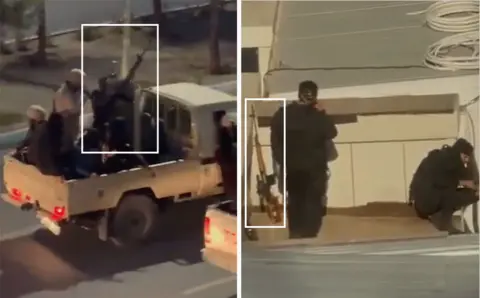
A BBC Persian analysis of hundreds of videos and photographs taken during recent protests in Iran confirms the security forces' use of a wide range of weaponry, including machine guns, sniper rifles, and shotguns.
Protesters were reportedly killed in many of the over 200 cities where protests occurred. While the exact death toll remains unclear, the brutality and deployment of lethal weaponry evidenced in pictures, witness accounts, and media reports suggest thousands have been killed across the country.
The crackdown on protests, originally sparked by economic grievances, escalated to unprecedented violence in modern Iranian history.
Payam Akhavan, an Iranian Canadian former UN prosecutor, referred to the crackdown as the largest mass killing in contemporary Iranian history and one of the largest in the world. The Iranian government has attributed the violence to rioters and terrorists, however, independent analyses confirm that security forces employed a variety of weapons, including:
- machine guns
- sniper rifles
- assault rifles
- shotguns
- handguns
- pellet-firing paintball guns
- tear gas
- machetes
- knives
- batons
- large wooden clubs
- blinding laser pointers
The ensuing violence revealed the extensive use of heavy firepower against unarmed protesters, with high-profile incidents including the use of machine guns mounted on military pickup trucks during confrontations in cities like Tehran and Yazdanshahr. Video evidence shows severe measures taken to control crowds, utilizing equipment usually reserved for military engagements.
Analysts and eyewitnesses confirm widespread use of sniper rifles and targeted shooting of civilians, corroborated by forensic assessments of wounds suffered by protesters.
Machete attacks were reported, with footage illustrating plainclothes agents wielding knives during clashes, further illustrating the violence directed towards demonstrators.
This heartbreaking situation underscores ongoing tensions within Iran, with grave human rights implications as the government faces international scrutiny amid allegations of mass atrocities.