In brief
Bolivia’s president, Rodrigo Paz, has rolled out a state of emergency following months of nationwide blockades that have disrupted supply chains, education and healthcare. The decree gives the president powers to clear demonstrations and deploy security forces within 72 hours of Congressional approval, but the unrest continues as indigenous and labor groups maintain roadblocks. Critics argue the protests stem from proposed land reforms and austerity measures, while Paz accuses former president Evo Morales of orchestrating the unrest. The move comes after a recent deal with the Bolivian Workers’ Confederation and a Congress bill that eases the use of military forces. Supporters hope the emergency will restore normalcy, although human rights groups warn of potential abuses.
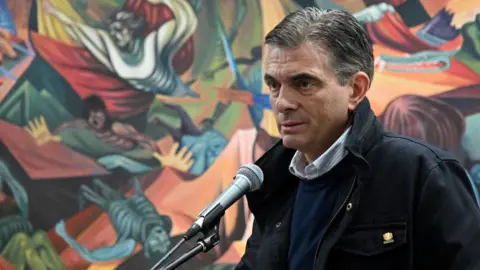
Rodrigo Paz, Bolivia’s president, announced a state of emergency on Saturday to tackle weeks of blockades that have paralysed freight, shut schools and halted medical services. The decree grants the president broader powers to clear demonstrations and deploy security forces within 72 hours of congressional approval, under the country’s constitution.
Paz said the crisis was an organised attempt to destabilise the country, adding that “Bolivians cannot continue to be hostages of blockades that prevent working, studying, receiving medical attention, supplying themselves, and bringing sustenance to their homes.” The president’s statement also referenced a deal struck with the Bolivian Workers’ Confederation that saw unions in a limited agreement to end road blocks.
The blockades, led by miners, farmers and indigenous groups, began at the end of April after Paz’s proposed land‑reform plan drew criticism. While the president has since scrapped that proposal, he still faces protests over fuel‑subsidy cuts, constitutional changes and other austerity measures that critics claim undermine oversight of natural resources.
Evo Morales, the former left‑wing president, has been accused by Paz of orchestrating the protests, a claim Morales has denied. Recent re‑shuffling of Paz’s cabinet, salary cuts for ministers and a new council for negotiation have so far failed to quell the unrest.
In combination with a 2025 congressional bill that facilitates deployment of troops against anti‑government demonstrations, many observers fear a sharp spike in human‑rights violations. Police and military presence in city squares has increased, yet some Indigenous groups insist they will continue to block roads until their demands for fuel subsidies and for the restoration of basic services are met.
As Bolivia sits on a precipice, the world watches the unfolding crisis, while citizens call for an end to the chaos and a return to normalcy for essential goods and services.