Iran Deal Replaces JCPOA: What’s New, What’s Missing
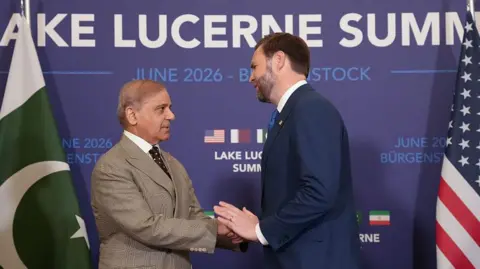
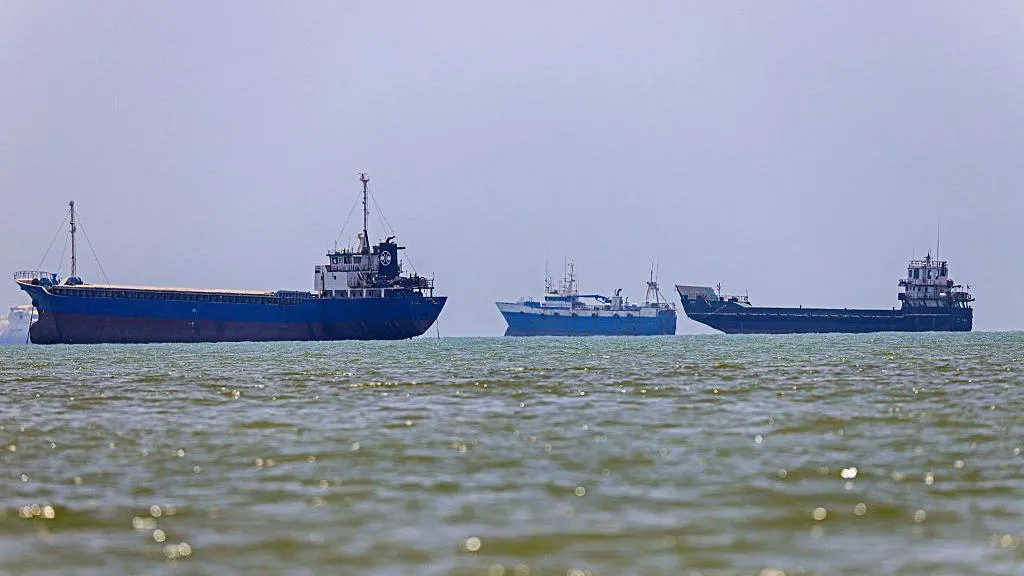
On 28 February 2026 the US and Iran announced a 14‑point Memorandum of Understanding (MoU). It signals an intent to curb Iran’s nuclear ambitions, relax sanctions and revive passage of ships through the Strait of Hormuz after a war‑sparked blockade.
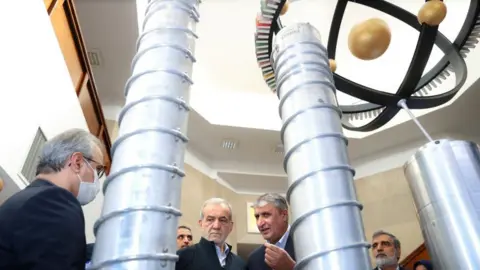
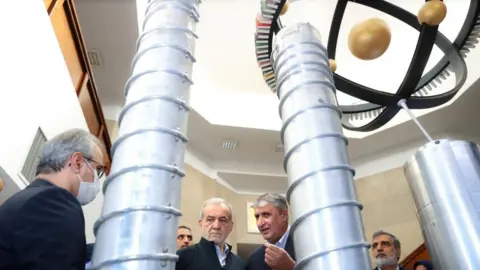
The MoU draws heavily on the 2015 Joint Comprehensive Plan of Action (JCPOA) that limited the Iranian enrichment stock to 300 kg and capped reactor enrichment at 3.67 %. In contrast, Iran already held about 440 kg of 60‑% enriched uranium when the war broke out, a stock that could be lifted to 90 % in a matter of days.
In the latest text the U.S. describes the deal as a framework for 60‑day talks rather than a final, enforceable treaty. It notes Iran will “reaffirm that it shall not procure or develop nuclear weapons” but does not specify a timetable for destroying the existing stockpile.
The MoU also touches on sanctions relief. All sanctions are slated for a gradual removal, and the U.S. will allow “the export of Iranian crude oil… and all associated services” immediately, moving the country ahead of its pre‑war economic collapse.
Unlike the JCPOA, the deal stipulates that the U.S. will lift its naval blockade of Iranian ports within 30 days and grant Iran a 60‑day window to secure free passage through the Strait of Hormuz. After that period, Iran is to negotiate with Oman on future maritime governance, and it has already established a Persian Gulf Strait Authority, charging fees for transit but promising no tolls.
The MoU focuses on high‑level commitments – declarations against weapons, a pledge to negotiate enrichment limits and to end a blockade – but leaves most technical details for the next round of talks. That means the deal, like the JCPOA, needs intense worldwide scrutiny and verification if it is to prevent a new nuclear threat while restoring normal trade routes.