After the ICE Raids End, Minnesotans Still Live in Fear
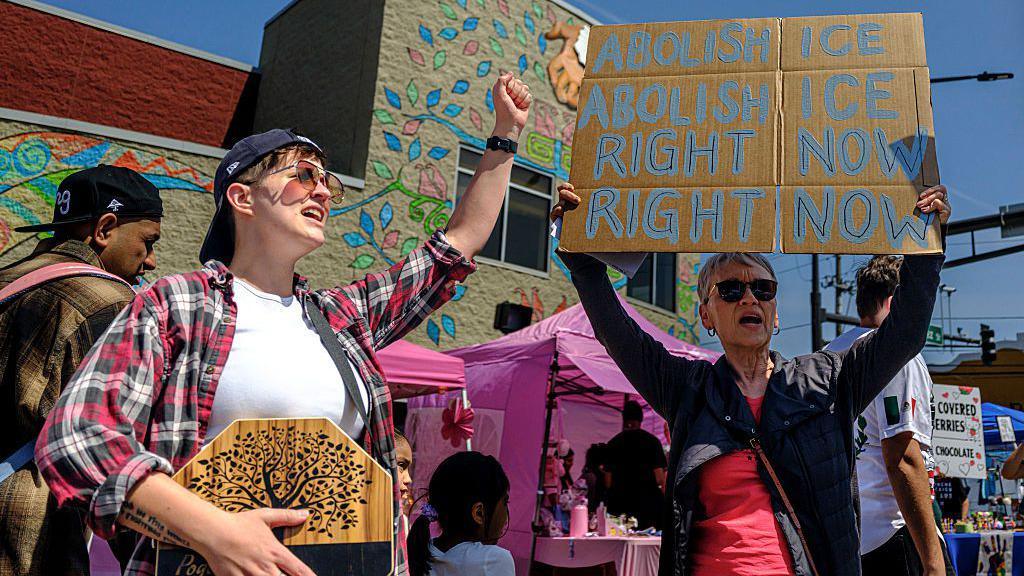
The sudden withdrawal of federal immigration agents from Minneapolis and St Paul during the “Operation Metro Surge” ended a month‑long period of raid‑heavy law enforcement, but residents’ memories and worries still linger. The crack‑down, initiated in December under President Trump, targeted undocumented immigrants suspected of crimes and triggered immediate and widespread fear.
A young Afghan migrant, Aliah said she feared for her safety even after her green card was issued in 2021. She and other residents report that the patrols left “a lasting sense of anxiety.” Though the raids are over, some people still feel small‑scale REMOVAL threats and fear a resurgence of the crackdown.
Teenager Fatima, a Somali refugee returned to school in April after months of remote learning. She confides that every drive past “the memorials to Good and Pretti” reminds her of the terror of that week. “If they come back … I will be shocked,” Fatima says.
Economic fallout was felt most sharply on Lake Street in south‑Minneapolis, a hub for Hispanic‑owned retail. Over half of the shops closed during the peak months of the operation, costing the neighbourhood around $30 million a month and forcing many workers to miss work. The American‑jobs‑center estimates that Minnesota workers lost about $240 million in wages across the Twin Cities, while businesses lost an additional $610 million in revenue.
The impact on the insurance system was also apparent. The Eviction Lab shows an 8 % rise in statewide filings in 2026 compared with 2025 – the first spike visible since the pandemic. Immigration officials have emphasised arrests of “criminal illegal aliens” while the Department of Homeland Security reports only 23 of those arrested had pending charges.
Refugees were not spared either. In January USCIS announced a large‑scale re‑vetting of 5,600 refugees who had not yet received green cards, to replace a prior “wholly inadequate” screening process. The new audit will result in some refugees being re‑detained or possibly removed, and families are left with a frightening uncertainty about their stay.
While ICE’s presence in Minneapolis has slipped, they still operate a “small force,” and agents keep appearing in autism we expect more targeted enforcement. Residents in barren suburbs report officers demanding lists of undocumented employees at businesses and a sense that the big‑city crackdown has only moved to the outskirts.
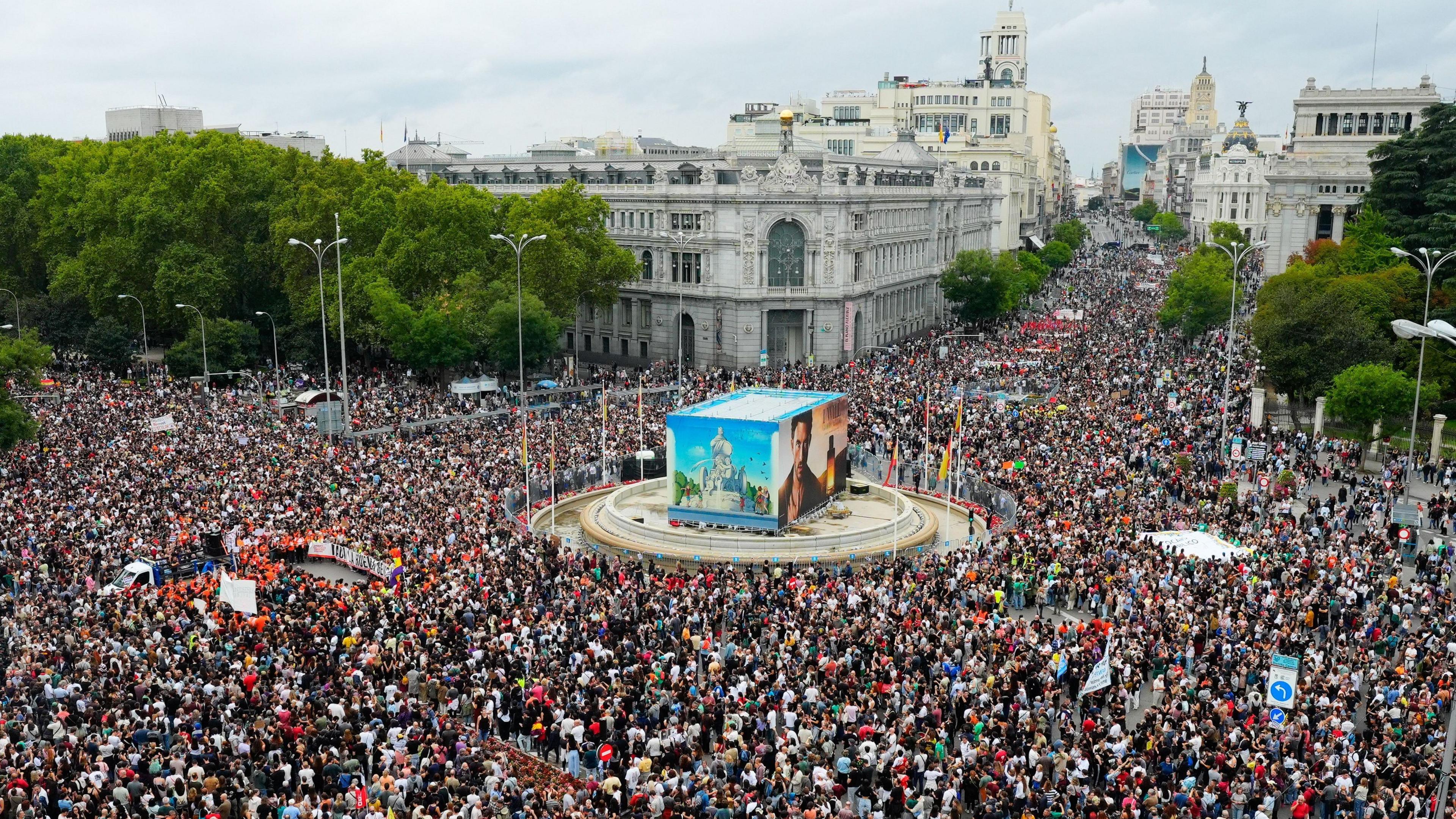
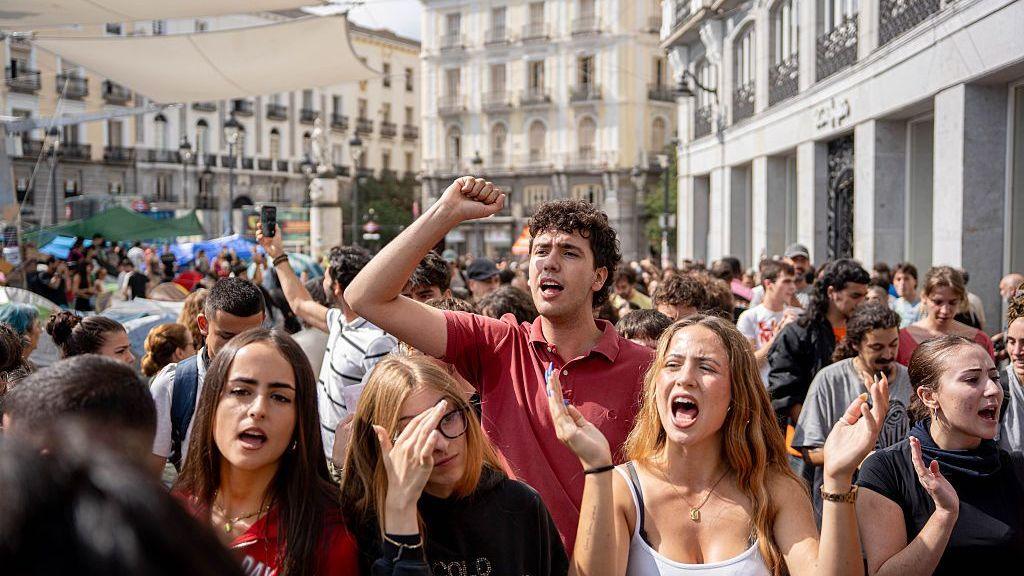
Take a quick look at the scenes:
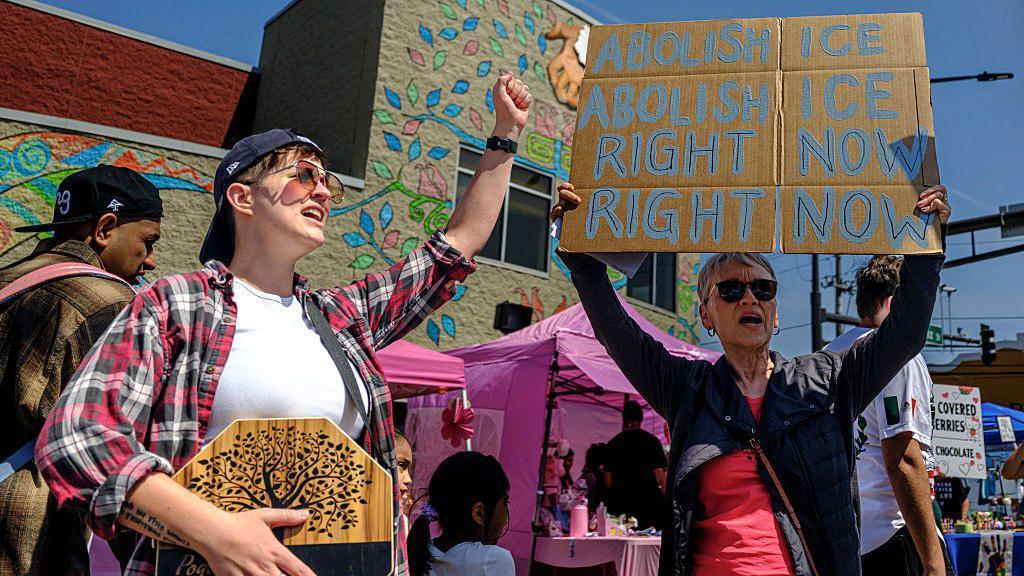
Residents and activists continue to hold rallies, demand justice, and non‑stop protests. The city remains a minefield of ghosts – a reminder that the loops between policy, fear, and community cost run deep and long‑lasting.