Ukraine’s rail network, the lifeline keeping the country moving since Russia’s full-scale invasion, is now racing against a new threat: deadly drone strikes that have taken more than half of all locomotive attacks this year.
Yuliia Ponomarenko, a 27‑year‑old marketing specialist from Kharkiv, describes a chilling scene at the Ukrainian‑Polish border last month. “The border guards started shouting *Run! Get out of the carriages! There’s shelling!” she recalled. A drone had just hit a locomotive minutes before a special train carrying former British PM Boris Johnson passed the junction. Passengers had to wait six hours while workers fought the flames and cleared the line.
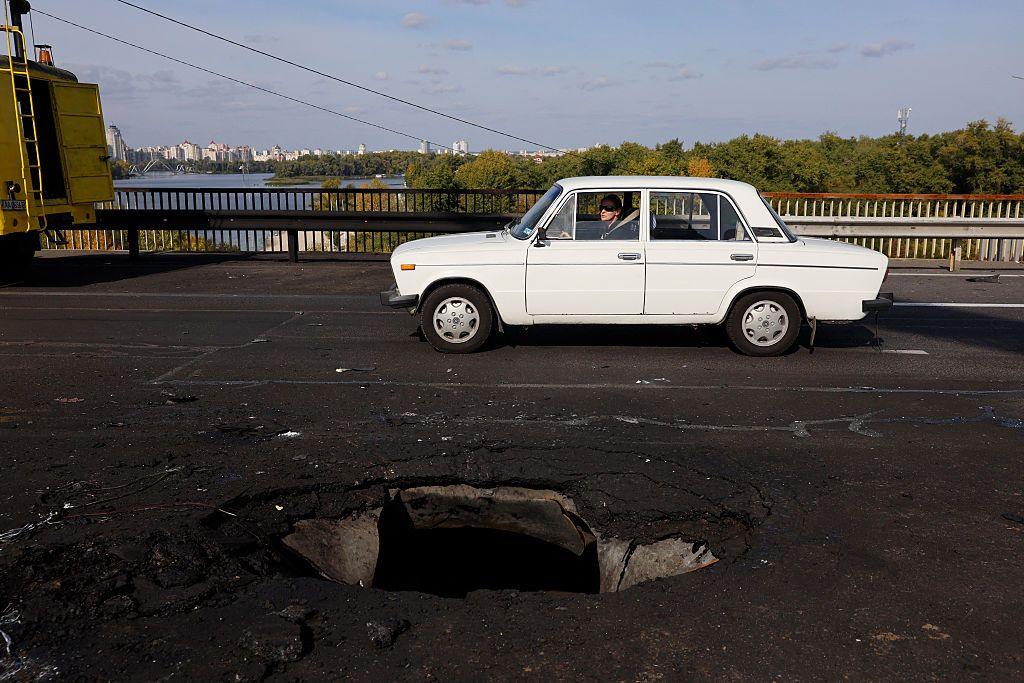
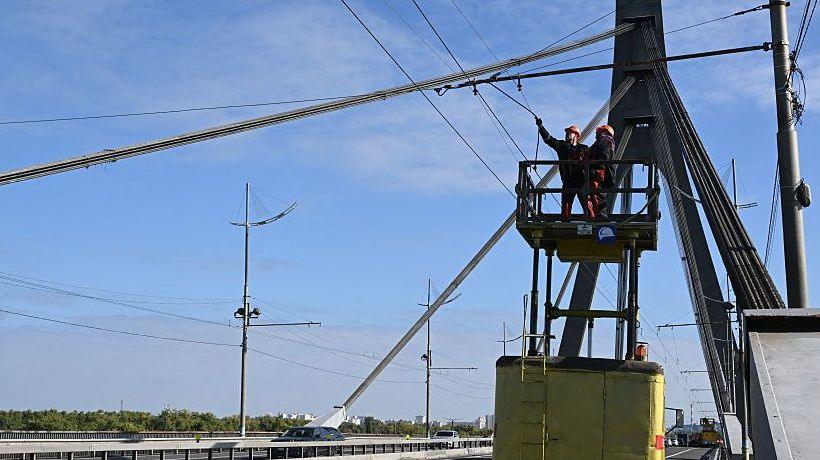
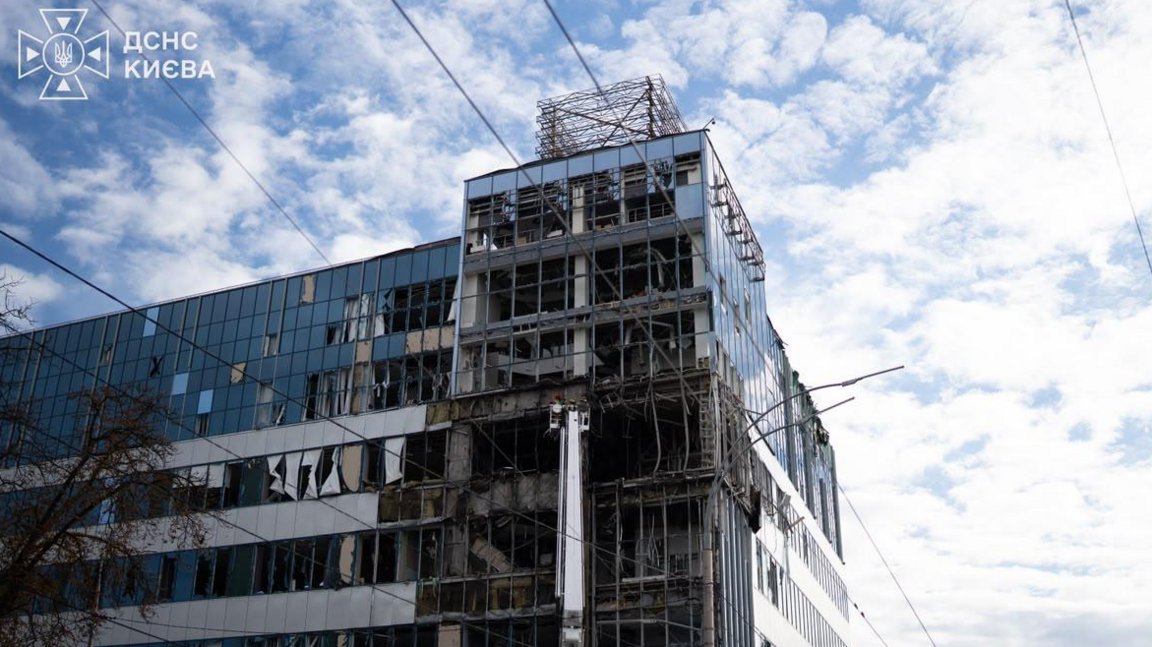
In September alone, 5,831 trains were evacuated, averaging 205 per day. The trend is seen as part of a more comprehensive assault on Ukrainian infrastructure, with recent bridges in Kyiv also struck.
Anastasiia Ryvbalchenko, 17, recounts a near‑miss on her journey from Odesa to Kirovohrad. At 4 am she and others were disembarked, only for a drone to strike the air just minutes later. The explosion sent everyone running into the woods. She vowed she would never travel by train again.
Ukrzaliznytsia, proud of its punctuality record, now prioritises passenger safety over schedule. CEO Oleksandr Pertsovskyi says the company has had to shift from speed to survival: *The life of our passengers and crew matters more than times tables.* The authority now coordinates real‑time threat tracking from an underground “Iron Command Centre”, where every moving train is monitored against the 100‑km radius of potential drone attacks.
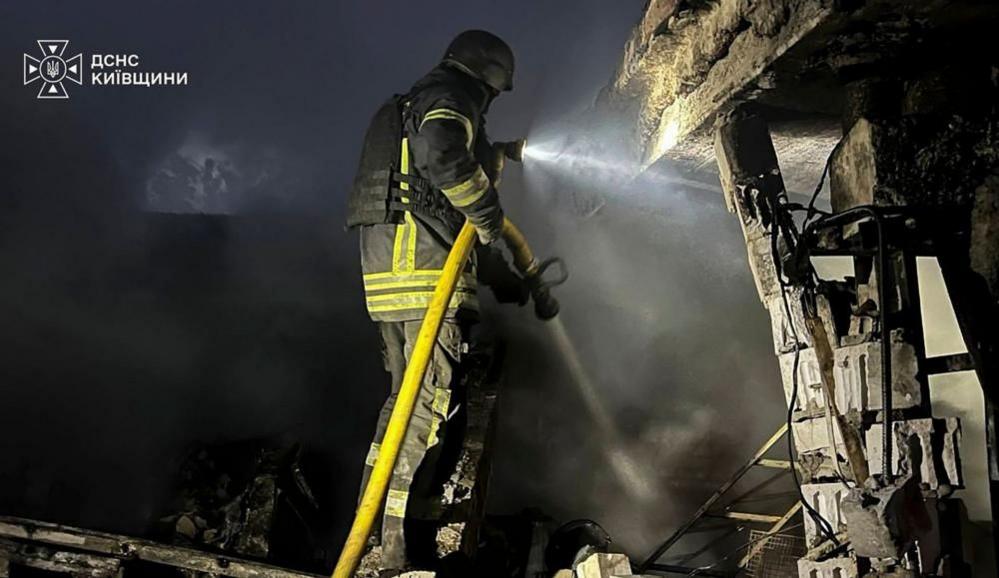
The damage tally shows 521 locomotives hit to date, with 60% occurring this year. Yard and station attacks climbed from 1,206 in 2025 to 1,700 this year. While Russian defence officials claim the strikes target military logistics, Ukrainian rail staff say civilians are still the collateral. Eight company employees have lost their lives, including six in a missile strike on a Kyiv depot.
With winter approaching, Pertsovskyi is preparing evacuation kits, mobile shelters and bus routes for cold‑weather disruptions. “We may be a reinvented railway, but we will keep connecting the country, no matter what winter or summer brings,” he vows.