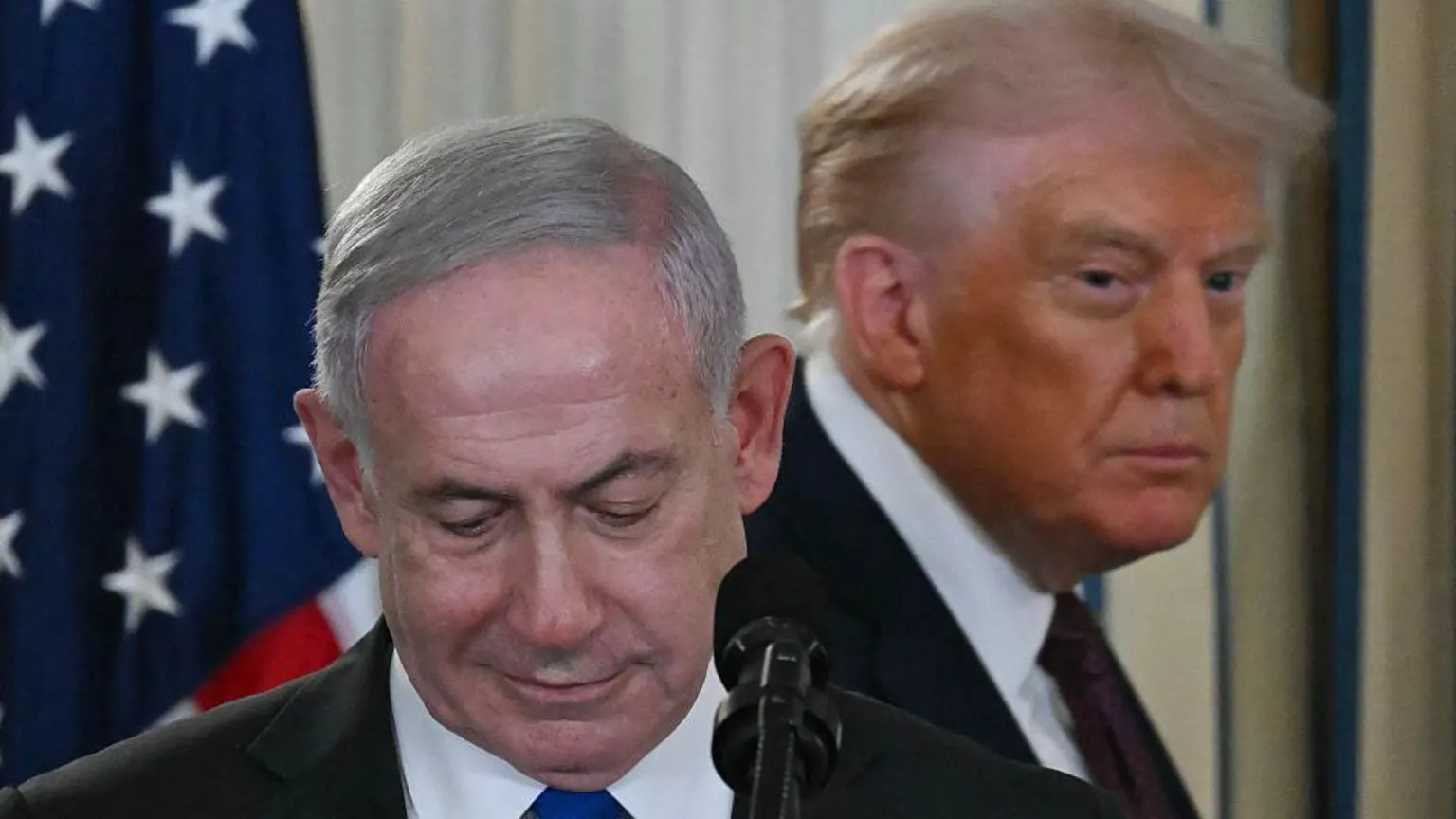
Speaking from the East Room of the White House, Trump stated the facility would be established under the direction of the departments of defense and homeland security, emphasizing its purpose to house "the worst criminal illegal aliens." The proposal seeks to expand the existing Guantanamo Migrant Operations Center (GMOC), which has been used for years to detain migrants intercepted at sea, often under questionable conditions, drawing criticism from human rights organizations. Trump's new plan seeks to ensure high detention standards and expedite the processing of those deemed a threat to American safety.
The Cuban government swiftly condemned the plans, labeling them as an "act of brutality" and asserting that the territory is "occupied" by US forces since Fidel Castro's rise to power in 1959. Cuban President Miguel Díaz-Canel expressed outrage, denouncing the move as a gross violation of human rights and international law.
Despite previous claims that the GMOC does not operate as a detention facility, the Trump administration contends that this new expansion is explicitly aimed at detaining individuals, further polarizing the already contentious debate surrounding immigration in the United States. The funding and timeline for the facility’s construction remain uncertain, with the administration suggesting they would seek approval from Congress for the necessary budgets.
As the situation unfolds, the stance taken by the Trump administration reopens the contentious chapter of immigration policy and the treatment of undocumented migrants, prompting widespread discourse both domestically and internationally.
The Cuban government swiftly condemned the plans, labeling them as an "act of brutality" and asserting that the territory is "occupied" by US forces since Fidel Castro's rise to power in 1959. Cuban President Miguel Díaz-Canel expressed outrage, denouncing the move as a gross violation of human rights and international law.
Despite previous claims that the GMOC does not operate as a detention facility, the Trump administration contends that this new expansion is explicitly aimed at detaining individuals, further polarizing the already contentious debate surrounding immigration in the United States. The funding and timeline for the facility’s construction remain uncertain, with the administration suggesting they would seek approval from Congress for the necessary budgets.
As the situation unfolds, the stance taken by the Trump administration reopens the contentious chapter of immigration policy and the treatment of undocumented migrants, prompting widespread discourse both domestically and internationally.